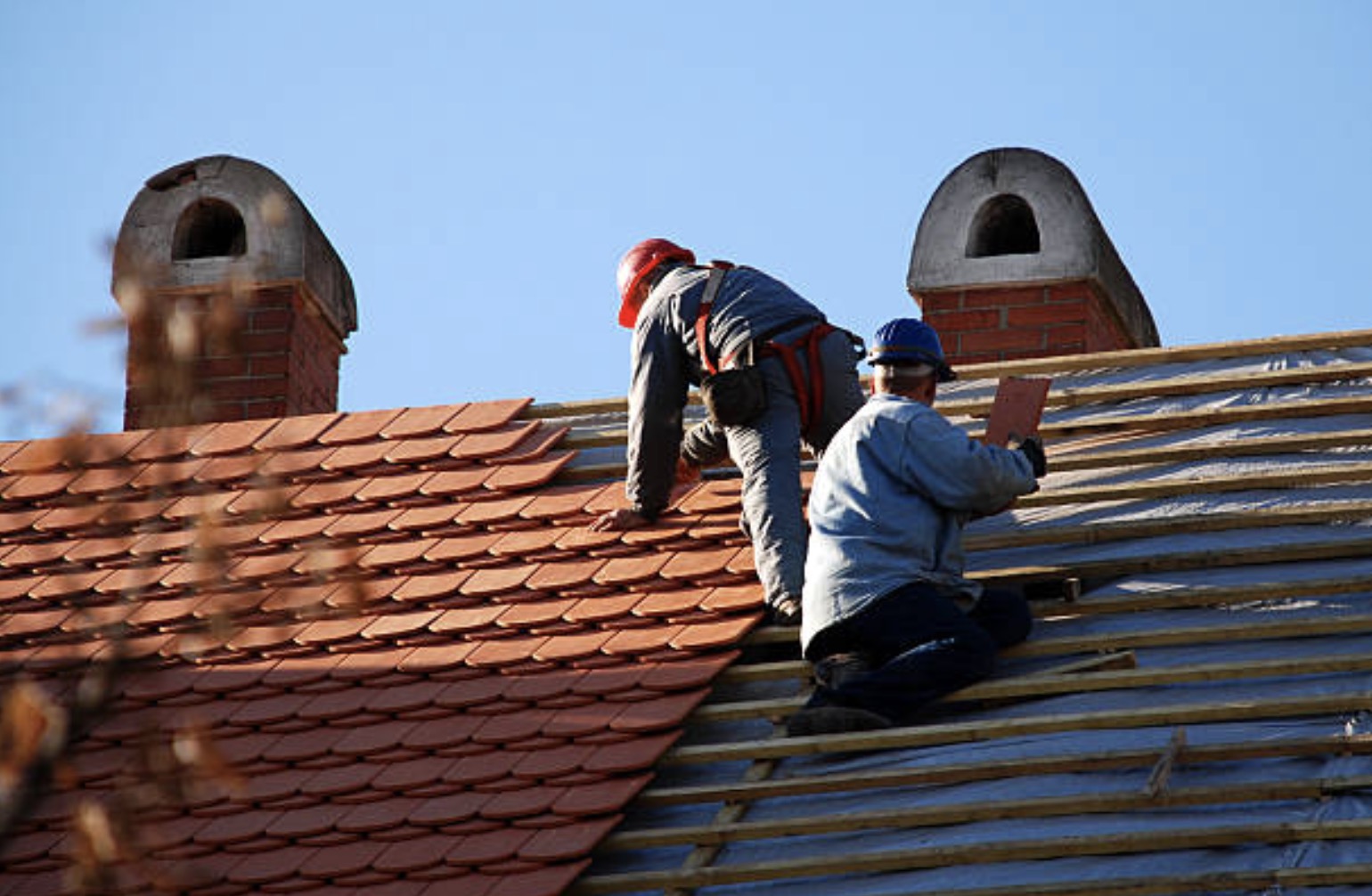
Most re-roofing jobs start with a problem, not a plan. Tiles crack, sheets rust through, or an inspection turns up something nobody wanted to find. On older Australian homes that something is often asbestos cement sheeting. Asbestos roof removal and replacement is one of the more common reasons owners end up choosing a new roof material from scratch. The old roof has to come off, and a licensed removalist has to handle it. After that comes the same question every re-roof faces: what goes on instead?
On residential work in Australia, the three main options are sheet metal, concrete tiles and terracotta tiles. Each has its place. The right choice depends less on looks than most people expect. It depends more on the building underneath, the local climate and how long the owner plans to stay.
Start with the structure
Before comparing colours, check what the frame can carry. Tiles are heavy, and metal sheeting weighs a fraction as much. Going from tiles to metal is rarely a structural issue, and it can take load off an ageing frame. Going from sheet roofing to tiles is different. A builder or engineer usually needs to confirm the rafters and battens can take the extra weight. Sometimes they can. Sometimes the cost of strengthening the frame makes the decision for you.
Pitch matters too. Tiles need a steeper roof to shed water properly, while most metal profiles suit much flatter pitches. Low-pitched extensions and skillion roofs are often limited to metal for that reason alone.
Metal roofing
Pre-painted steel and unpainted zinc-aluminium coated steel are now the default on a lot of re-roofs. Colorbond is the best-known pre-painted brand in Australia, and Zincalume the best-known unpainted one. Metal is light and quick to install. It also has fewer joins for water to work its way through. It handles heavy rain well, and lighter colours reflect a good share of summer heat.
The usual complaints about metal are noise and heat, and both are mostly installation problems. Sarking and insulation under the sheets cut rain noise and heat gain considerably. A metal roof fixed straight onto battens with nothing underneath will be loud and hot. A properly installed one won’t be much different from a tiled roof.
Coastal properties need more thought. Salt spray shortens the life of standard coated steel. Check the manufacturer’s guidance on distance from the coast, and choose a product rated for that environment. Hail is the other consideration. Large hailstones can dent sheeting, though dents rarely cause leaks the way broken tiles do.
Concrete tiles
Concrete is usually the cheapest tiled option. The tiles are solid and their weight helps in high winds. They suit owners who want a traditional tiled look without paying terracotta prices.
The catch is maintenance. Concrete tiles rely on a surface coating for much of their colour and weather resistance. Over 20 or 30 years that coating wears away, the tiles become more porous, and moss and lichen move in. Most concrete roofs need a restoration at some point: cleaning, repointing the ridge capping and recoating. That isn’t a reason to avoid them, but it belongs in the lifetime cost.
Terracotta tiles
Terracotta is fired clay, and its colour runs right through the tile, so it doesn’t fade the way a coated surface does. Good terracotta can last for many decades. On character homes it’s often the only material that looks right, and some heritage overlays effectively require it.
It costs more to buy and install, and it’s brittle. Walk on it carelessly during an antenna or solar install and tiles crack. The ridge capping still needs attention over the years, even when the tiles themselves are fine.
Narrowing it down
A handful of questions settle most decisions:
- Can the frame carry tiles?
- What’s the pitch?
- How close is the coast?
- Is there a heritage overlay?
- How long will the owner stay?
Someone selling in five years will weigh upfront cost very differently from someone planning to stay for thirty.
Then ask about warranties, and read them. A manufacturer’s warranty covers the material. The installer’s workmanship warranty covers how it went on. A long product warranty means little if the roof was installed badly, so both matter.
Finally, get a proper inspection before committing. A good roofer will look at the frame, gutters, flashings and ventilation, not just the roof surface. They’ll also tell you if the material you want doesn’t suit the building. If a roofer agrees to everything without climbing a ladder, keep looking.