A subcontractor might be sitting in the office with yesterday’s progress report. Meanwhile, the site supervisor is drawing revisions that could lead to a delayed material delivery, and a crew is waiting for instructions.
The problem isn’t necessarily a lack of information. It’s that the information isn’t reaching the right people at the right time.
Construction companies have depended on paper records, phone calls and spreadsheets for the longest time. Cloud technology is changing this arrangement by connecting field teams, project managers, estimators, and office administrators through a centralized system.
Disconnected field and office operations can lead to unwanted delays. Mobile access and a centralized system change that. Cloud adoption has become a necessity instead of a technological upgrade.
What Does Moving Field Teams to the Cloud Actually Mean?
Cloud-based construction management helps authorized users to access and update information through an internet-connected system, instead of storing project information exclusively on office computers, local servers, or individual devices.
This is helpful for a subcontractor working across multiple job sites.
Cloud-based management systems help to access current drawings, specifications, and project documents. It makes it feasible to share daily reports, site photographs, and progress updates. It is easier to record labor hours and track crew activities. Tasks can easily be assigned and tracked. Manage RFIs, change orders, and project communications.
Subcontractors evaluating digital transformation can use construction management cloud software to bring field reporting, project documentation, and communication into a more connected environment.
Five Major Changes Subcontractors Experience When Moving to the Cloud
Cloud technology changes everyday subcontractor operations.
Outdated drawings, missing paperwork, and multiple document versions create problems.
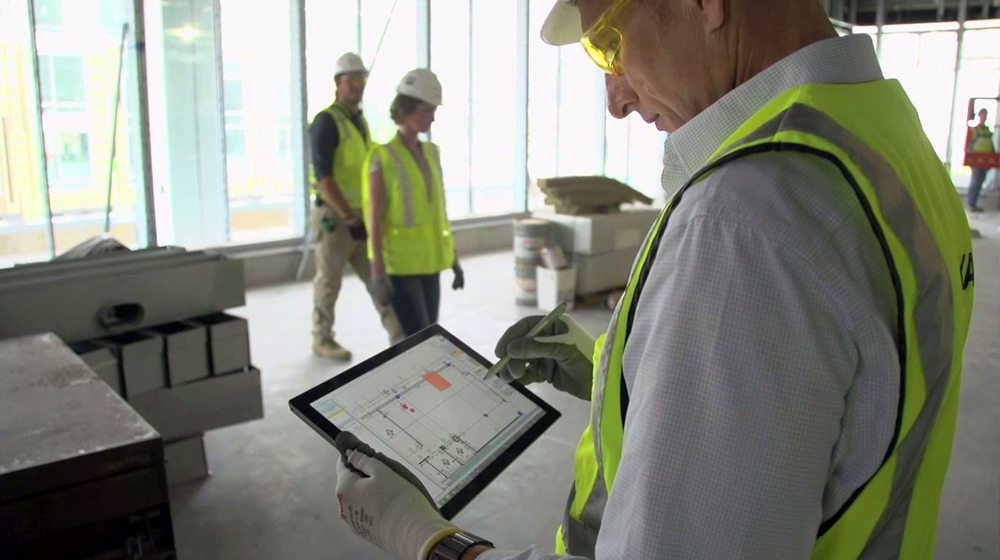
Centralized document management allows authorized field personnel to access the latest available project information.
For example, an electrical subcontractor receives an updated drawing from the general contractor. Instead of waiting for someone in the office to print and distribute it, the field supervisor can access the revised document through the project platform.
Teams must still follow formal drawing approval and distribution procedures.
The communication between the office and field teams becomes better. Cloud platforms reduce the reliance on scattered text messages, phone calls, and email chains.
Field supervisors can share photographs, progress updates, questions, and potential problems with project managers.
Cloud technology helps to have centralized communication records, faster issue escalation and clearer task assignments.
Communication becomes part of the project record rather than getting lost in someone’s inbox.
Field teams can record workforce hours and activities digitally. It can help with daily time entries, crew allocation and labor tracking and work completed against planned activities. It also supports equipment usage records and helps identify productivity issues.
Timely field data helps project managers identify labor inefficiencies before they become larger budget problems.
Field changes can affect labor requirements, material costs, schedules, and contractual obligations.
Digital systems can help teams document additional work requests and site conditions that differ from original plans and photographic evidence.
Documentation does not automatically constitute contractual approval. Subcontractors must still follow the notice, authorization, and submission requirements in their contracts.
Business owners and operations managers can monitor different projects without physically visiting every location.
Subcontractors are able to make better decisions about workforce deployment and resource allocation because of cloud systems.
The Benefits Go Beyond Convenience: What Changes Financially?
It helps to have better field information and that can influence a subcontractor’s financial position.
These are the four areas that can benefit from cloud systems:
Reduced administrative costs: Less time spent transferring information between paper records, spreadsheets, and separate systems.
Better cost control: More timely labor and productivity information helps managers identify potential overruns.
Improved cash flow visibility: Organized progress records, supporting documentation, and approval tracking can help teams prepare and substantiate payment applications.
Fewer avoidable disputes: Accessible project records make it easier to establish what happened, when it happened, and who communicated or authorized a particular change.
What Subcontractors Should Consider Before Moving to the Cloud
Purchasing software is only the beginning. Subcontractors need to ensure that the system works for the people who will use it every day.
- Ease of use: Field supervisors and workers should be able to navigate the platform without extensive technical knowledge.
- Mobile accessibility: Check whether the software works effectively on smartphones and tablets.
- Unreliable internet connections: Determine whether essential functions, such as accessing documents or recording information, are available offline and synchronize when connectivity returns.
- Integration: Evaluate whether the platform can work with existing accounting, estimating, scheduling, and project management systems.
- Security: Examine user permissions, multifactor authentication, data encryption, backups, and account management.
- Training: Provide practical training that reflects actual field responsibilities.
Cloud security is a shared responsibility between the provider and the customer.
How to Make the Transition Without Disrupting Active Projects
There should be a phased transition into cloud systems:
- Identify the biggest communication and documentation problems in current field operations.
- Select one project or team for an initial rollout.
- Digitize frequently used workflows, such as daily reports, drawing access, and labor tracking.
- Train supervisors and office personnel before expanding usage.
- Establish consistent procedures for entering, reviewing, and approving information.
- Measure adoption and operational improvements before extending the system across other projects.
Conclusion
Cloud adoption is not about replacing every traditional construction process with an application. It is about ensuring that field teams and office personnel work with reliable, accessible, and current project information.
For subcontractors managing multiple crews, tight schedules, and demanding contractual obligations, better information flow can make a meaningful difference.