Your roof needs to be in good condition in order to keep your house safe, warm, and dry. That means inspecting your roof on a regular basis so that you can spot any early warning signs of damage, or minor issues that can quickly become major problems when not addressed.
In terms of getting things fixed, it’s always a smart move to call in a professional, such as Results Roofing LLC, for instance. When it comes to inspecting your roof in the first place, here’s a snapshot of what you should be looking out for.
Understanding the roof inspection process
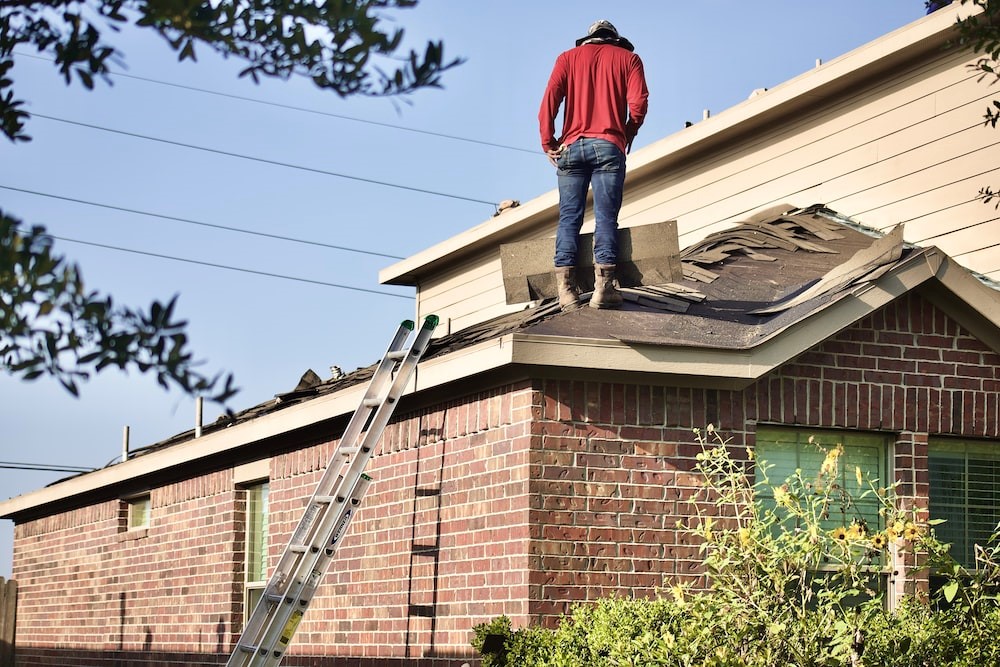
A good starting point would be to appreciate what a roof inspection entails, and to understand how these inspections are carried out. You can take a look yourself from the ground to spot any obvious issues, but it’s always wise to get a roofing professional involved, as they know exactly what to look for.
In general, roof inspections are either visual inspections, where the roofer climbs up to take a look. Roof inspections can also be carried out using a drone, and it may also be a good idea to have an infrared inspection. This is to check for excess moisture, or insulation problems in your attic.
Appreciating the importance of regular inspections
More often than not, you can spot small problems, such as small tear or leak, when you inspect the condition of your roof regularly.
Carrying out minor repairs is inexpensive, and can often save you big bucks by acting swiftly.
Spotting the signs of damage
It helps to know what to look out for when inspecting your roof. Any signs of clear damage, such as missing or damaged shingles, should be dealt with immediately. Another telltale sign is when you see algae or moss growing. That is usually a sign of trapped water or a leak.
Check your energy bills
It is not always immediately obvious that you have roof damage, so you might need to check for other clues that there could be a problem. One obvious pointer would be if you notice your energy costs are rising, without any valid explanation. Poor airflow and a lack of proper insulation will instantly cost you more to heat and cool your home.
Always take a look after bad weather
Even if you decide to schedule in regular roof inspections you should take a look at the condition of your roof after a bout of bad weather or a heavy storm. Any sort of harsh weather conditions could cause damage to your roof that needs fixing quickly.
Check for stains or ceilings and walls
Another thing to look out for is stains that appear on your walls or ceiling. This is a clear indication of water damage and usually suggests that your roof needs inspecting for damage.
Check your roof is not sinking
Structural issues such as a sinking roof line should be dealt with as a matter or urgency. If you notice that your roof appears to be sinking or bowing out of shape it could be due to a weak structure. Contact a roofer urgently in that scenario.
Check gutters and downspouts are in good condition
Your roof needs a helping hand to deal with water and debris. If your gutters and downspouts are clogged or broken it will put extra strain on your roof and could lead to damage.
Check the condition of gutters and downspouts as part of the inspection process.
Look inside your attic
As well as checking the condition of your roof from the outside you should also look at it from the attic. This inspection might pinpoint moisture issues, especially if you notice a damp smell, or see water marks.
Inspect your roof twice a year
Keeping your roof in good condition is integral to the safety and security of your home. That’s why it’s a sensible strategy to arrange an inspection twice a year, if possible. During the spring and fall seasons would be the perfect opportunity to check your roof’s condition.
Now that you know how important it is to inspect your roof, now is a good time to get it checked.