Pale, natural-looking wood floors now appear in a large share of new apartment, condo and hotel interiors. Designers ask for them, buyers expect them, and marketing renders rarely show anything darker. That popularity has made a once simple line item harder to deliver well.
Most problems start with a vague spec. Teams that compare light hardwood options at the submittal stage usually get closer to the render than teams that write “natural oak” and hope. The gap shows up at handover, when the floor no longer matches the approved board.
Why Has Light White Oak Become the Default Spec?
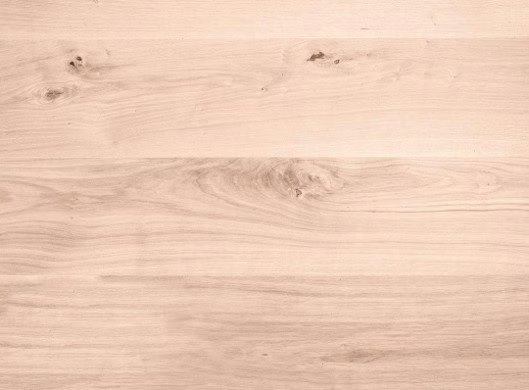
White oak suits the look designers want and the wear owners need. White oak has light sapwood, light-to-dark brown heartwood and great wear resistance, according to the American Hardwood Information Center’s white oak profile. Its longer rays give more figure than red oak.
That figure matters on large floor plates. A busy grain hides dust, scuffs and small dents between cleaning cycles. Light tones also bounce daylight deeper into narrow units, which helps on infill sites with limited glazing.
Supply is the other reason. White oak is readily available in North America, though less abundant than red oak. That keeps it within budget on most mid-market residential work.
What Should a Light Hardwood Spec Actually State?
A strong spec removes guesswork for the installer and the supplier. At minimum, the flooring section should define:
- Species: white oak, stated explicitly, never just “oak.”
- Cut: plain-sawn, rift-sawn or quarter-sawn, since each changes the figure.
- Grade: the appearance grade, with an approved range sample.
- Construction: solid or engineered, including wear layer thickness.
- Dimensions: thickness, width and length mix.
- Finish system: factory finish or site finish, product name and sheen.
- Moisture limits: target wood and subfloor moisture before installation.
- Attic stock: extra cartons held back for future repairs.
Point eight is often cut to save money. It should not be. Matching a light floor years later from a new production lot is difficult.
Why Does Light Wood Drift After Installation?
Color drift is the most common complaint on light floors. Three causes account for most of it.
The first is the finish. Oil-modified polyurethanes amber as they cure, which pushes pale oak toward yellow. Water-based and many factory UV-cured finishes stay clearer, so the finish choice must match the sample.
The second is light exposure. Wood darkens or mellows under sunlight, and rugs or furniture leave lighter patches. Owners should be told this at handover, not after the first complaint.
The third is chemistry. White oak contains tannins that react with iron. The species profile advises galvanized fasteners for that reason. Steel wool, iron filings or wet steel tools can leave dark gray stains on a pale floor.
How Do Solid and Engineered White Oak Compare On Site?
The construction type changes the install, the schedule and the risk. White oak comes in prefinished solid and engineered versions, across several widths, grades and stain colors, and many suppliers offer free samples, which are useful for building an approved range board. A quick comparison:
- Prefinished solid white oak: nail-down over wood subfloors, refinishable many times, more sensitive to humidity swings.
- Engineered white oak: a real oak wear layer on a stable core, suited to slabs and radiant heat where the product allows.
- Site-finished solid: best for uniform color across rooms, but adds sanding, coats and cure days.
- Prefinished of either type: faster turnover of rooms and fewer fumes in occupied buildings.
Engineered boards usually win on concrete-frame multifamily jobs. Solid boards still suit wood-frame custom homes where long service life and refinishing matter most.

Where Does Flooring Fit In Green Building Credits?
Flooring touches several sustainability goals at once. The LEED rating system from the US Green Building Council groups credits under areas including materials selection and indoor environmental quality. Certification levels run from Certified at 40 points to Platinum at 80 or more.
Wood floors can support those goals through product disclosures, low-emitting finishes and responsible sourcing. Project teams should request documentation early, because suppliers need time to provide it. Regional wood processing still shapes supply, as projects like the Cohasset wood mill in Minnesota make clear.
What Sequencing Risks Should Contractors Plan For?
Most flooring failures are scheduling failures. Wood reacts to the building around it. Before the first carton opens, the site should meet these conditions:
- Wet trades such as drywall finishing, tile and paint are complete.
- HVAC runs at normal occupied settings, ideally for several days.
- Subfloor and slab moisture readings are logged against the spec.
- Cartons are stored inside the conditioned space, off the slab.
- Floor protection is ready for the trades that follow.
Rushed jobs skip the HVAC step most often. The result is gapping in winter or cupping in summer, long after the crew has left. A broader view of flooring options helps when a site cannot meet those conditions in time.
Holding the Light Look Through Handover
A light white oak floor is easy to specify badly and hard to fix later. Write the species, cut, grade and finish system into the spec, approve a range sample, and protect the schedule. The floor at handover will then look like the board everyone signed.
Frequently Asked Questions
Is White Oak Harder Than Red Oak?
Yes, slightly. White oak rates around 1360 on the Janka hardness scale, compared with about 1290 for red oak. The difference matters less than grade, finish and maintenance.
Can Engineered White Oak Go Over Radiant Heat?
Many engineered products are approved for radiant systems, while solid boards usually are not. Check the manufacturer’s limits for surface temperature and installation method. Record those limits in the spec.
Why Do Light Floors Turn Yellow After Finishing?
Oil-modified finishes amber as they cure and age. Sunlight also mellows the wood itself. Water-based or factory UV-cured finishes keep pale tones closer to the original sample.
How Much Attic Stock Should a Project Keep?
Many specs call for 2% to 5% of the installed area, held in sealed cartons. Store it on site or with the owner’s maintenance team. It makes future repairs match the original lot.