Construction professionals and homeowners alike know that a building’s long-term durability depends on more than its foundation pour or roofline. The materials, seals, and systems that keep a structure weathertight are the same features that determine whether pests find an easy way inside. For readers of Construction Review Online who care about building performance, pest prevention is really an extension of building envelope maintenance, the kind of work that protects both a family’s health and a homeowner’s investment in their property.
That connection matters especially in central Ohio, where seasonal temperature swings stress sealants, siding, and foundations in ways that create openings for insects and rodents. Homeowners searching for pest control in Dublin often assume the fix starts and ends with a technician’s visit, but the truth is that most infestations begin with small maintenance gaps that a homeowner can identify and correct first. Companies like EarthRite Pest Control frequently point out that the homes with the fewest recurring pest problems are the ones where owners have already done the groundwork of sealing, cleaning, and inspecting before a professional ever arrives. This checklist walks through that groundwork, checkpoint by checkpoint, so you know exactly what to look for and when it is time to bring in expert help.
Seal Your Home’s Exterior Envelope
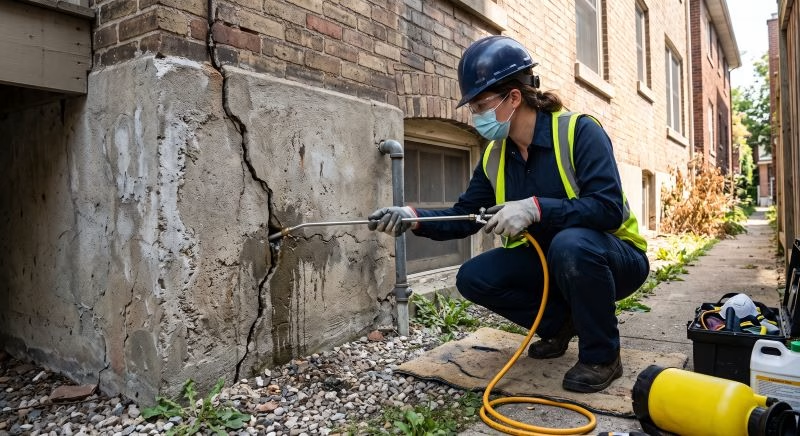
The exterior envelope, meaning everything that separates conditioned indoor space from the outdoors, is the first line of defense against pests. A gap as small as a quarter inch is enough for mice to squeeze through, and even hairline foundation cracks give ants and spiders a direct route indoors. Work through this sequence methodically: 1) walk the foundation perimeter looking for cracks, gaps, or settling that has opened seams between the slab and siding; 2) check every point where a pipe, wire, or vent penetrates an exterior wall, since these penetrations are rarely sealed as tightly as the original construction plans intended; 3) inspect weatherstripping around doors and windows for gaps, tears, or compression that no longer forms a tight seal; 4) look at the roofline for missing shingles, damaged flashing, or soffit vents with torn screening, all of which give pests an entry point at the roof edge. Sealing these gaps with caulk, hardware cloth, or expanding foam is inexpensive compared to the cost of an active infestation, and it is a task most homeowners can complete over a single weekend.
Eliminate Food and Water Sources
Once the envelope is sealed, the next checkpoint is removing what pests are actually searching for once they get near your home. Insects and rodents are driven almost entirely by access to food, water, and shelter, and cutting off any one of those resources makes a property far less attractive to them. According to EPA, removing sources of food, water, and shelter is the foundational strategy for pest prevention, which means storing pantry goods in sealed containers, fixing leaky plumbing promptly, and eliminating any standing water where mosquitoes might breed. Run through this list regularly: 1) transfer dry goods like cereal, flour, and pet food into airtight containers rather than leaving them in original cardboard packaging; 2) keep garbage cans sealed with tight-fitting lids and take out kitchen trash before it sits overnight; 3) repair dripping faucets, sweating pipes, and slow leaks under sinks, since even minor moisture buildup attracts cockroaches and termites; 4) walk the yard after rain and empty any containers, gutters, or low spots where water pools for more than a day or two. These habits cost nothing beyond a bit of attention, yet they remove the very reasons pests would want to stay.
Reduce Shelter and Hiding Spots
Pests need more than food and water, they also need places to hide, nest, and raise young undisturbed, so the third checkpoint focuses on eliminating those hiding spots both inside and outside the home. Start by decluttering storage areas like basements, garages, and attics, since stacked boxes and unused furniture create ideal nesting conditions for rodents and spiders that rarely get disturbed. Next, trim back vegetation, shrubs, and tree limbs that touch the exterior walls or roofline, because overgrown landscaping acts as a bridge that lets ants, ticks, and rodents move directly from the yard onto the structure. Inspect any wood structures, including decks, fences, and stacked firewood, for signs of moisture damage or termite activity, and keep firewood stored at least twenty feet from the house rather than stacked against an exterior wall. Finally, clean gutters and downspouts at least twice a year, since clogged gutters hold standing water and rotting leaf debris that shelter mosquitoes and attract wood-destroying insects toward the roofline. Completing this checkpoint typically takes an afternoon of yard work, but it closes off dozens of potential nesting sites that a homeowner might otherwise never think to check.
Know When to Call a Professional
Even a homeowner who completes every step above should still watch for signs that a problem has moved beyond do-it-yourself territory. Droppings along baseboards, hollow-sounding or crumbling wood, discarded insect wings near windowsills, and unexplained scratching sounds in walls or ceilings are all signals that an infestation is already established rather than just a passing visitor. Termite damage in particular tends to go unnoticed until it becomes expensive, with the average homeowner spending around $3,000 on repairs once damage is discovered, which is far more than the cost of an inspection would have been. A licensed pest control professional brings an integrated pest management approach that combines targeted treatment with the same prevention principles outlined above, addressing root causes rather than just symptoms. If you notice any of these warning signs, or simply want a baseline inspection to confirm your prevention efforts are working, that is the point where a professional visit makes sense rather than continued self-monitoring.
| Statistic | Figure |
| Homeowners taking proactive fall pest prevention | 55% |
| Homeowners sealing cracks and gaps as primary prevention | 58% |
| Average seasonal pest control budget | $182 |
| Top prioritized pests (ants, spiders, rodents) | 66%, 60%, 58% |
| Average termite damage repair cost | $3,000 |
Working through these four checkpoints in order, sealing the envelope, removing food and water sources, eliminating shelter, and watching for warning signs, gives homeowners a practical framework that mirrors how professionals actually approach pest management. The data shows that most homeowners already understand the value of proactive prevention, yet many stop after sealing obvious gaps without addressing the water sources or clutter that keep pests coming back. Treating pest prevention as part of routine home maintenance, alongside gutter cleaning and roof inspections, keeps small vulnerabilities from turning into costly structural repairs down the line.