Healthcare facilities and emergency professionals are enduring more frequent and more destructive aftermaths of natural disasters than ever before. Simultaneously, they are working with limited information to enable speedy and affordable recovery. Recent studies have shown the barriers go beyond labor and material resources. Fortunately, operational efficiency, clear communication and structural silos can be improved to help supply chains and construction industries amplify recovery efforts to meet the demands of modern weather events.
The Escalating Frequency of Extreme Weather Disasters
In 2024, the U.S. had 27 climate disasters with over $1 billion in losses, some including tropical cyclones and winter storms. From 2020 to 2024, the average was 23, demonstrating an upward trend. Sectors like healthcare, engineering, utilities, water treatment and countless others face many years of strained budgets as they attempt to normalize conditions for communities.
A recent study explored why disasters are becoming harder to overcome, including:
- Lack of interpersonal relationships and liaisons
- Inadequate funding
- Insufficient training for staff
- Low community engagement
- Exclusion of vulnerable populations
- Siloed data systems
- Minimal auditing and accountability
- Data privacy and governance concerns
These culminate in structural, informational and operational improvement areas. Ignoring these domains leads to ineffective and slow decision-making. Healthcare delivery becomes erratic, responders act without data, and communities sit in limbo because government bodies are not reviewing sustained progress.
Multi-agency cooperation can mitigate these stressors, which must occur before the number of billion-dollar events skyrockets beyond what society can manage. With disasters like wildfires potentially costing between $400 and $900 billion per year alone, communities and governments must act if they want to recover.
Structural Silos and Decayed Situational Awareness
The study outlined three major structural issues preventing swift disaster intervention, which are compounded by several other oversights. The first is isolated agency-level planning. Teams do not have liaisons between organizations and hoard proprietary information. They may never have interacted before, which could create confusion as they navigate a complex disaster together.
As these teams try to work, no third-party organizations check their plans. The lack of accountability means disaster plans may be implemented without adherence to compliance requirements, despite well-researched, expert frameworks being available. Then, potentially ineffective plans are greenlit, many with little financial support.
These issues compound as workers carry out thin emergency plans and exhaust budgets, while agencies could have been more supportive with funding and in helping curate recovery strategies. Other social concerns, such as excluding Indigenous populations from providing insights or fluctuating standards across administrations, make structural stability even harder to achieve.
Healthcare and Emergency Management Informational Noise
Emergency managers may report a hospital remains standing amid a natural disaster, even though the water is contaminated and generators are down. Contractors arrive on site unprepared, without suitable personal protective equipment or the correct remediation tools. Other teams are misconstruing the building’s occupancy, which is forcing them to direct staff chaotically and without prioritization.
These operational oversights confuse workforces across industries, leaving everyone exposed to risks and confused about their roles. Everyone is attempting to follow orders without education in how to execute emergency protocols. Employees and contractors attempt damage control with the resources they have, leaving potential biological and structural hazards unattended.
Conflicting Directives and Physical Access Paralysis
Another operational concern is the fight between local decision-makers, nongovernmental organizations, citizens and higher government officials. This is where the structural and operational issues overlap, as minimal communication beforehand has led to a blanket approach to emergency response that fails to leverage community insights.
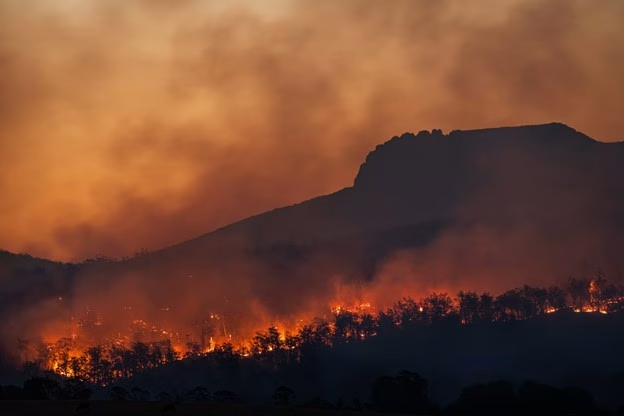
The 2023 wildfires that affected Lahaina in Maui, Hawaii, were exacerbated by these reasons, especially as clear communication channels became unreliable and traffic management became impossible. Some municipal agencies were posting evacuation reports on Facebook, only for people to encounter physical barriers and heavy machinery preventing their exit.
This makes it harder for responders to clear debris or de-energize power lines with confused people in the way. When physical access is minimal, police, fire departments and emergency medical staff are unable to reach those who need them.
Supply Chain Blindness and Logistics Breakdown
When agencies and companies have to coordinate with supply chains to obtain supplies, they need precise, updated information about the community’s state. Unfortunately, situation reports are rarely useful for recipients. They are continually expanding, and information becomes muddied, making it difficult to parse what personnel need most.
Typically, supply chains need only numbers to acquire and transport necessities, yet they are inundated with extraneous details in complex digital systems for which they may not have training.
The logistics breakdowns persist due to a lack of a standardized, user-friendly platform for accessing real-time data. Digital access could be minimal, especially in rural areas. This leaves hospitals, utility providers and governments with differing information. While geographic information systems and reporting are implemented in some areas, this is not a mainstay everywhere.
While some digital tools could complicate emergency response because they rely on uptime to keep clear communications alive, many prove beneficial yet remain underutilized, including drones, blockchain and artificial intelligence. If situational awareness could rise through greater data and knowledge sharing, then more minds could provide essential information to authorities and supply chains, such as diverse populations, nonprofits and emergency shelters. These bottlenecks lead to construction schedules being delayed or hospitals increasing wait times to serve patients because they lack access to what they need.
Worker Safety Compromised in the Field
These interagency organizational concerns also endanger those attempting to save the community from the disaster’s effects. Responders, construction laborers, environmental experts and others are trying to analyze gas mains and toxic floodwaters and enter situations without the information they need.
The 2014 Oso landslide in Washington state inspired greater investments in a centralized incident command system. The area has trained around 1,500 individuals in the resource, as inconsistent expertise led to more hazards during the landslide. Deepening familiarity with the tool will support real-time decision-making during a disaster. The system includes drones, which can help workers assess safety needs before taking action.
Institutionalizing Pre-Disaster Coordination
These cases demonstrate why disaster recovery is not a labor or materials concern. While these factors can cause strain, there are deeper-seated problems that make it more challenging for communities to bounce back from the damage. Addressing these three areas will strengthen societies, especially those becoming more vulnerable to climate disasters. Governments, private organizations, nonprofits and residents must collaborate to design a resilient community that is communicative, prepared and supported by all stakeholders.