Modern bathrooms are no longer just functional spaces. They reflect comfort, hygiene, and thoughtful design. Along with selecting the right bathroom tile design, one of the most important decisions when planning or upgrading a bathroom is choosing the right type of commode. Among the most common options in Indian homes are the Indian toilet and the one-piece commode. Each comes with its own advantages, usability factors, and design implications. Understanding how these two options differ can help you create a bathroom that aligns with your lifestyle, space, and long-term needs.
What is an Indian Toilet?
An Indian toilet is a floor-level squat toilet designed for use in a squatting position. Widely used in Indian households, it features a ceramic pan installed into the floor and a simple flushing mechanism. Its minimal structure makes maintenance easy and supports hygienic use due to limited surface contact. The squatting posture is often associated with natural bowel movement and reduced strain. However, it may be less convenient for elderly users or people with mobility concerns and may not always match modern bathroom aesthetics.
Advantages of Indian Toilets
Indian toilets offer several practical advantages focused on hygiene, efficiency, and ease of maintenance.
- Hygienic Use: The design avoids direct contact with surfaces, which can help reduce the chances of bacterial transfer, especially in shared bathrooms.
- Water Efficiency: These toilets generally require less water compared to many Western-style options, supporting more efficient daily use.
- Natural Posture: The squatting position aligns the body in a way that may help reduce strain and support comfortable use.
- Easy Cleaning: With no seat or hinges, regular cleaning and maintenance become quicker.
What is a One-Piece Commode?
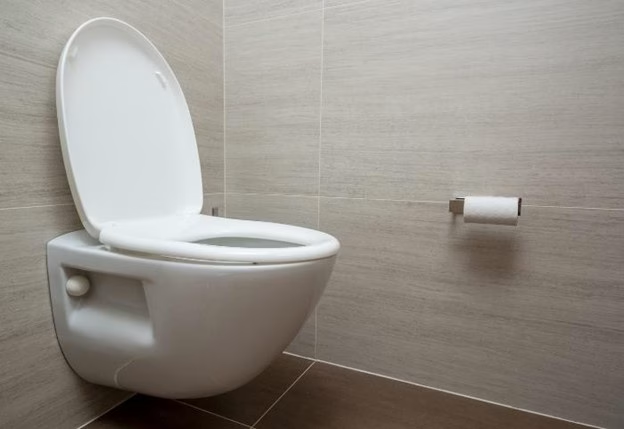
A one piece commode is a Western-style toilet where the tank and bowl are seamlessly integrated into a single unit. Designed for seated use, it offers comfort for users across age groups and suits modern bathroom layouts. Its smooth, joint-free design helps reduce dirt accumulation and simplifies cleaning. Many models include dual-flush systems for improved water efficiency. Proper installation planning is important, and regular cleaning of the seat and surface helps maintain hygiene, especially in shared bathrooms.
Benefits of One-Piece Commodes
One-piece commodes offer a combination of modern design, comfort, and easy maintenance for contemporary bathrooms.
- Modern Design: The seamless, joint-free structure creates a sleek appearance while reducing areas where dirt and moisture can collect.
- Easy Cleaning: Fewer crevices make daily cleaning simpler and help maintain better hygiene with less effort.
- User Comfort: The seated design is suitable for elderly users, children, and individuals with mobility concerns, often supported by ergonomic seat heights.
- Water Efficiency: Many models include dual-flush systems that help conserve water while maintaining effective performance.
Indian Toilet vs One-Piece Commode
Choosing between an Indian toilet and a one-piece commode depends on user comfort, health preferences, and overall bathroom design.
| Feature | Indian Toilet | One-Piece Commode |
| Posture & Usage | Supports a natural squatting posture | Designed for comfortable seated use |
| Water Usage | Typically more water-efficient | Often includes dual-flush systems for controlled water use |
| Design & Aesthetics | Simple structure suited to traditional layouts | Modern, seamless design suited to contemporary bathrooms |
| User Suitability | Preferred by those comfortable with traditional practices | Suitable for elderly users, children, and people with mobility concerns |
Both options serve different needs. The right choice depends on lifestyle, household requirements, and the overall bathroom setup.
Choosing the Right Option for Your Bathroom
When deciding between an Indian toilet and a one-piece commode, consider the following:
- Bathroom Size: Compact bathrooms can accommodate both options, but one-piece commodes often make better use of limited space due to their streamlined design.
- User Needs: If comfort and accessibility are priorities, a one-piece commode is a better fit. For those who prioritise traditional usage and hygiene, an Indian toilet remains a strong choice.
- Maintenance: Indian toilets are easier to clean overall, while one-piece commodes require regular surface cleaning but have fewer hard-to-reach areas.
- Design Preferences: Modern bathrooms with minimalistic elements often pair better with one-piece commodes, while Indian toilets suit functional and utility-focused spaces.
Enhancing Bathroom Design with the Right Products
Creating a well-balanced bathroom goes beyond selecting the right commode. Flooring, wall finishes, and layout all contribute to safety, comfort, and visual harmony. Choosing coordinated surfaces, including stylish options like Moroccan tiles, with a reliable grip can help improve safety in wet areas, while thoughtful material selection supports easy maintenance and long-term usability. Exploring solutions from brands like Simpolo Tiles & Bathware can help ensure that both traditional and modern bathroom layouts feel cohesive. With the right combination of finishes and fixtures, the space can remain practical, comfortable, and visually consistent over time.
Conclusion
Understanding the differences between an Indian toilet and a one-piece commode is essential for making an informed decision. Both options offer unique benefits, and the right choice depends on your household needs, available space, and design goals. Indian toilets stand out for their simplicity, hygiene, and traditional relevance. One-piece commodes, on the other hand, deliver comfort, ease of use, and modern aesthetics. By carefully evaluating your requirements and pairing the right fixtures with suitable materials, you can create a bathroom that is practical, comfortable, and aligned with modern living standards.