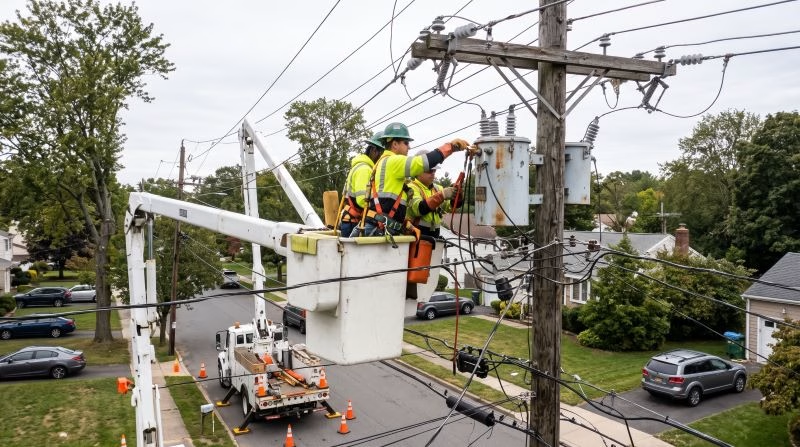
On a large build, few things stop work faster than a dead transformer. Lights go out, tools go quiet, and the schedule starts to slip by the hour. Near the end of a job, a failure can also push back testing, start-up, and handover. New units are hard to get right now. The way a team acts in the first few days can decide if the job loses a week or several months. It pays to know when to call a trusted transformer repair company, what to ask for, and how to plan for this risk from the start. That knowledge protects both the budget and the finish date.
Why Transformers Matter More Than Ever on Site
Transformers show up at many stages of a build. Early on, they may feed temporary power for cranes, hoists, lights, and site offices. Later, the permanent units come in to serve the finished building. On data centers, plants, and large campuses, a team may need several pad-mounted or substation units. Nothing inside can run until they work.
Supply is now a real concern. Industry surveys in 2025 put the average wait for large power transformers at about 128 weeks. That is close to two and a half years. Contractors report waits of 40 weeks or more for some pad-mounted units in 2026. With waits like these, each transformer on site is a key asset. If one fails, a fast repair may be the best way to stay close to the plan.
What Causes Failures on a Job Site
Many transformer problems on a job start long before the unit carries any load. Rough handling in transit or on the crane can crack bushings, shift the core, or dent the tank. Units that sit outdoors for months before start-up can take on water through worn seals or open covers. Loose or wrong connections can cause heat and arcing once the unit goes live. During testing, a spike in load or a fault elsewhere can put sudden stress on the windings. Lightning and power surges add another risk on open sites.
Field crews should watch for warning signs. These include oil leaks, swollen or rusted tanks, odd humming or buzzing, burning smells, tripped breakers, and gauges that read high. A unit that runs much hotter than its twin nearby also deserves a closer look. If you see any of these signs, keep people away. Call for a trained check before anyone tries to reset the unit or switch it back on.
What a Good Repair Process Looks Like
A sound repair starts with testing. Before any parts come off, the crew should find the root cause and judge the state of the whole unit. Common tests include insulation resistance, turns ratio, winding resistance, and an analysis of gases dissolved in the oil. Together, these tests show if the problem sits in one part or runs through the core and coils.
Some repairs can happen in the field. Crews can replace gaskets, bushings, gauges, and some fittings on site, and they can filter or dry the oil. Deeper damage, such as a failed winding, often means a trip to a repair shop. There, a crew can take the unit apart, rewind it, dry it, and rebuild it. After any repair, the team should test the unit again and provide a full report, so the owner and the general contractor know its state before it goes back to work.
Repair is not always the right call. If the damage is severe or the unit is near the end of its life, replacement may make more sense. A good partner will tell you that early, so you can source a new or reconditioned unit, or bring in a rental to carry the load while you wait.
How to Choose a Repair Partner
The best time to choose a repair partner is before you need one. Look for a firm with certified techs and 24-hour emergency service. It should be able to work both in the field and in a shop. Ask about their testing gear and the reports they provide. Check whether they handle the type and size of transformers on your project, from small dry-type units to large substation units. Ask how fast they can reach your site and whether they can supply a rental or a replacement if repair is not possible.
It also helps to give the repair team good details when you call. Share the nameplate data, photos, the symptoms you saw, any test results you have, and the site location. The more they know up front, the faster they can plan the work.
Build Power Risk Into the Plan
Smart teams now treat transformers as a long-lead risk from day one. Order early, protect units well while they wait on site, and keep records of factory and field tests. Add a repair partner and a backup power plan to the project’s risk register. With these steps in place, a transformer failure becomes a problem you can manage, and the project can stay on track.