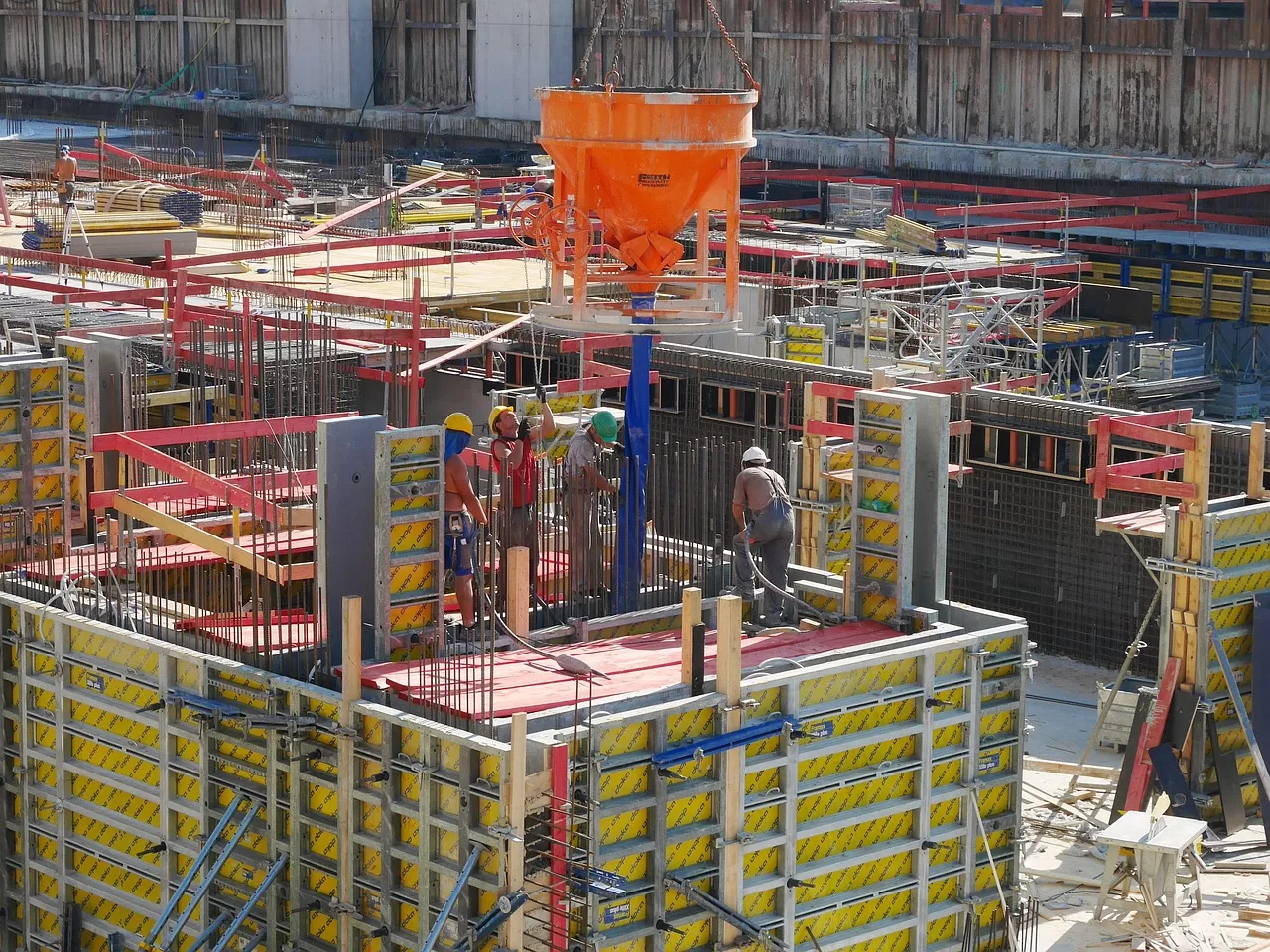
The trend of mixing manufactured and natural materials is reshaping modern construction practices, offering some innovative solutions for jobsites. Blending durable synthetic materials with sustainable natural components means professionals can achieve both enhanced functionality and aesthetic appeal. As builders look to reduce their environmental impact and meet the demands of contemporary architecture, this evolving industrial approach promises to redefine material use and optimize performance and sustainability in construction projects.
The Evolving Construction Material Palette
Modern construction’s need for enhanced performance, cost-effectiveness and sustainability, rather than just visual appeal, is driving a shift toward incorporating hybrid approaches. This blending of artificial and natural elements fuels the trend by combining the strength and durability of synthetic materials with the eco-friendliness and aesthetic charm of natural resources. Professionals can leverage the best qualities of both with this modern, innovative fusion. Structures are becoming more resilient and energy-efficient, with the versatility to meet diverse design needs and environmental challenges.
Blending Strength and Style: Key Benefits
Blending manufactured and natural materials in construction offers numerous benefits, enhancing functionality and aesthetics. This hybrid approach improves structural performance, durability and cost efficiency while meeting the evolving demands of modern architecture.
Enhanced Structural Performance
Man-made materials, such as steel beams and engineered wood, provide unmatched strength and predictability, making them outstanding for supporting heavy loads. In contrast, adding natural materials such as stone and timber can enhance beauty and bulk. For instance, a factory-produced steel frame can effectively support a stunning natural stone facade, combining strength and visual appeal.
Improved Durability and Lifespan
Man-made products serve to protect or enhance natural materials, promoting longevity. For example, advanced sealants and weather barriers safeguard natural wood siding from moisture and pests, preserving its aesthetic and structural integrity over time.
Cost and Schedule Efficiency
Prefabricated components can streamline installation, often compensating for the labor-intensive processes needed for natural materials. Additionally, manufactured alternatives often prove more cost-effective than rare or difficult-to-source natural options, making them attractive for cost-conscious projects.
Innovation in Foundational Materials
The trend of mixing man-made and natural materials extends even to basic construction components, where the global need is transforming foundational materials. Engineers now create artificial alternatives to natural resources.
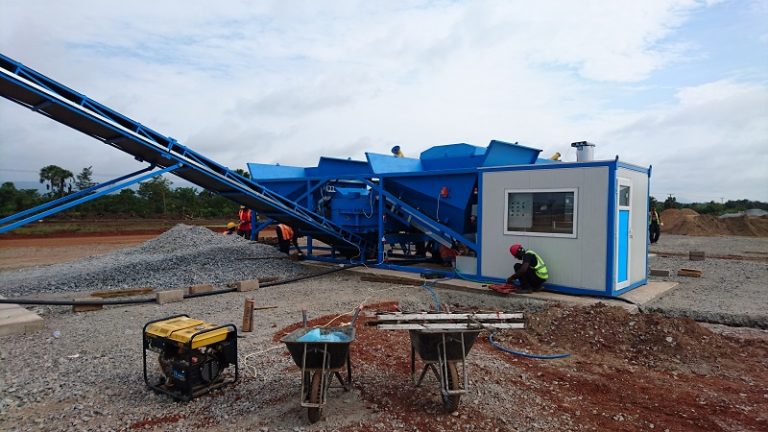
Sand, the second-most-relied-upon global resource behind water, is now being manufactured in huge amounts due to growing concrete production, oil well fracking and glass manufacturing. Manufacturing sand has become necessary due to the demand for concrete, as costs have risen by 185% between 2021 and 2022. At the same time, the process reduces the environmental impact of dredging rivers for natural sand, promoting sustainable construction practices while meeting modern building demands.
Common Material Pairings on the Jobsite
Integrating various materials on the jobsite can enhance aesthetics and optimize functionality and performance. Some common pairings showcase the strengths of combining manufactured and natural materials:
- Steel and timber: Steel provides a rigid, open-plan skeleton for buildings, while natural timber adds warmth and visual appeal, creating more inviting interiors.
- Concrete and stone: Pouring concrete can serve as a durable foundation. When paired with natural stone for veneers, flooring or landscaping features, it adds beauty and structural stability.
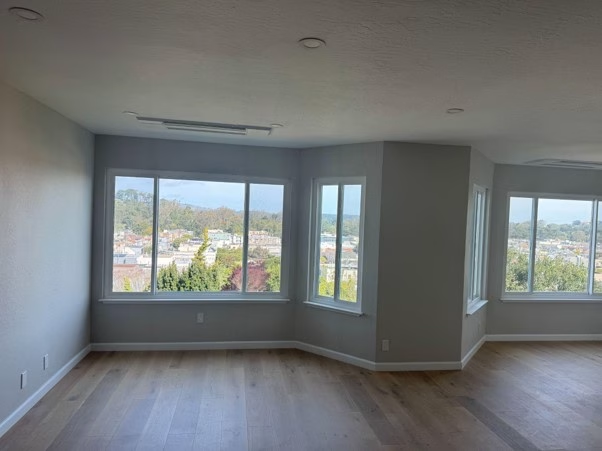
- Glass and wood: Large glass panels create the impression of bright, airy spaces, while natural wood adds additional texture and warmth, seamlessly connecting to create a natural environment.
Considerations When Mixing Materials
Combining man-made and natural materials in construction requires careful consideration to achieve an optimal blend of performance and longevity. Some factors that construction professionals should keep in mind are:
- Material compatibility: Understanding how different materials expand and contract with changes in temperature and moisture is imperative to prevent structural issues and ensure long-term stability.
- Sustainability and sourcing: Professionals should evaluate material life cycles, considering sourcing practices, environmental impact and end-of-life disposal options.
- Installation expertise: Successfully integrating mixed materials requires high levels of skill and knowledge from construction teams to ensure proper installation and performance.
Harnessing the Power of Hybrid Materials in Construction
The synergy between man-made and natural materials can create successful construction projects. Teams that recognize and carefully consider how these materials work together may see overall enhanced structural performance, project durability and sustainability. As the industry evolves, leveraging these insights can lead to innovative designs and more efficient building practices, paving the way for sustainable futures in construction environments. Embracing hybrid approaches in the future can enhance both project functionality and aesthetics.