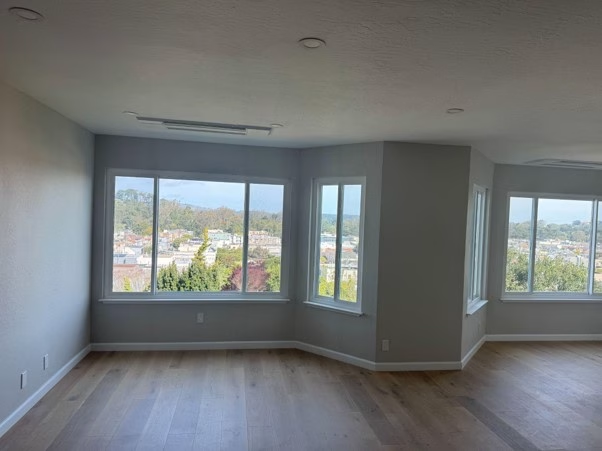
A new place can feel like a promise before the boxes are even closed. You imagine different mornings, cleaner routines, better space, and a version of life with more room to breathe. Then the practical side arrives: packing, addresses, goodbyes, keys, bills, and the strange feeling of losing your normal path through the day. Even with a moving company Massachusetts residents trust for the physical work, the emotional adjustment often takes longer than the move itself. The body arrives first. The mind needs more time to learn where home begins again.
Why Moving Feels Bigger Than Just Changing Addresses
A move changes the small patterns that make life feel familiar. It affects where you buy coffee, who you see by accident, how your evenings unfold, and how quickly you can solve ordinary problems. That is why relocation can feel larger than the paperwork suggests.
- Losing familiar routines: The old grocery store, commute, gym, school route, and weekend habits all disappear at once. Those routines may have seemed ordinary, yet they gave the week a steady rhythm.
- Decision fatigue: Moving creates hundreds of choices about packing, timing, services, furniture, utilities, and what to keep. The brain gets tired before the body does.
- Leaving social circles behind: Neighbors, coworkers, friends, and casual faces all helped create a sense of place. A new address can feel exciting and lonely in the same week.
- Adapting to unfamiliar environments: New roads, stores, rules, sounds, and local habits take attention. Even simple errands can feel strangely effortful at first.
Excitement and Stress Usually Happen Together
Relocation often brings hope and pressure at the same time. A new home may mean a better job, more space, a safer neighborhood, or a long-needed reset. The same change can also stir worry because the old life had known edges.
Optimism helps people move forward, and anxiety often rides beside it. You may feel thrilled while signing the lease and unsettled while packing the kitchen at midnight. Both reactions make sense because the move affects identity, routine, money, comfort, and relationships.
Expectations can also run ahead of reality. People imagine the fresh start, then arrive at missing shelves, late deliveries, unfamiliar stores, and a bedroom that still smells like cardboard. The dream needs time to become a daily life.
Emotional ups and downs are common during transitions. One day the new place feels full of possibility. The next day, one missing document or wrong turn can make you miss everything familiar. That swing does not mean the move was a mistake. It means your life is still catching up with the address.
Building New Routines Takes Longer Than Expected
New routines usually arrive slowly, through repetition. At first, every task demands thought. Over time, the new neighborhood starts to feel less like a map and more like home.
| Adjustment area | What changes | What helps |
| Morning routine | Commute times, school drop-off, coffee stops, and parking habits may all change. | Test routes early and give mornings extra time during the first few weeks. |
| Home comfort | Furniture placement, storage, light, noise, and temperature may feel unfamiliar. | Set up the bedroom and kitchen first because they support sleep and meals. |
| Local services | Doctors, pharmacies, banks, gyms, mechanics, and pet care may need new contacts. | Make a short list during the first month and save it somewhere easy to find. |
| Social rhythm | Friends and familiar faces may no longer appear naturally during the week. | Say yes to low-pressure invitations and create simple reasons to leave the house. |
| Family logistics | Kids, pets, partners, and older relatives may adjust at different speeds. | Keep a few familiar rituals, such as Friday takeout or a Sunday walk. |
Why Preparation Reduces Moving Stress
Preparation helps because it gives the move a frame. Without one, every task feels urgent. With a simple plan, the process becomes easier to hold in your head.
Start with the timeline, then work backward. The FMCSA moving checklist is useful for planning before moving day, during the move, and at delivery, especially when the move involves a mover or broker. A checklist will not remove the emotions, yet it can reduce the number of loose details competing for attention.
Organization also protects energy. Keep estimates, receipts, lease papers, school records, medical files, insurance details, and mover contacts in one folder. The official USPS change of address page can help with mail forwarding.
Realistic expectations help too. A move rarely feels settled the first week. Build a timeline that includes packing, travel, utility setup, unpacking, rest, and the first wave of errands. Leave room for the awkward part where the home is livable and still unfamiliar.
Patience is part of preparation. Tell yourself in advance that the first month may feel uneven. That simple expectation can make the hard days feel normal instead of like a personal failure.
A calmer plan also protects the process of adjusting after moving. Schedule grocery runs, utility checks, school forms, and basic setup instead of pretending everything will feel normal on day one. The move becomes less harsh when the first few days have a loose map. People need orientation, not instant perfection. That mindset saves energy when little surprises appear nearby.
Final Thoughts
Relocation is emotional and practical at the same time. You are moving belongings, and you are also rebuilding routines, comfort, and familiarity. Excitement and relocation stress can exist together without canceling each other out.
Adjustment periods are normal. The new place may not feel fully yours right away, and that does not mean the move was wrong. Preparation, patience, and steady routines make the transition easier. Give the new life enough time to become ordinary. The first few weeks can feel unfinished, then one small habit settles in. A favorite route, a familiar cashier, a chair in the right corner. Slowly, the place starts answering back.
FAQ
Why is moving emotionally difficult?
Moving is emotionally difficult because it interrupts routines, relationships, comfort, and identity all at once. Even a good move can feel heavy because familiar places disappear from daily life. The stress comes from practical tasks and the emotional work of adjusting.
How long does it take to adjust after relocating?
Adjustment can take a few weeks or several months, depending on distance, support, work, family needs, and how different the new area feels. Routines usually return first. A real sense of belonging often takes longer and develops through repeated daily experiences.
Why do moves feel stressful even when planned?
Planned moves still feel stressful because relocation creates many decisions in a short period. Packing, paperwork, timing, money, goodbyes, and new routines all demand attention. A plan reduces confusion, though it cannot remove every emotional reaction or surprise.
How can people make relocation easier?
People can make relocation easier by planning early, keeping documents organized, building realistic timelines, and setting up essential rooms first. It also helps to explore the neighborhood, create small routines, and accept that comfort may return gradually.