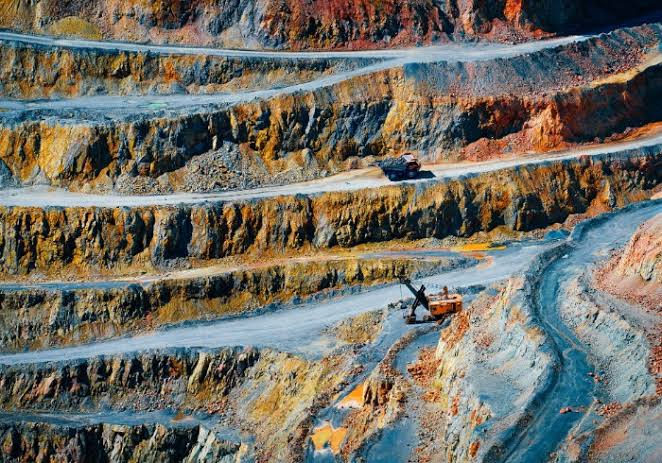
Latin America holds much of the copper and energy that the global AI build-out needs. However, analysts say infrastructure will decide whether the region benefits. Latin America’s copper supply faces falling output, limited refining, and weak export links. Therefore, the region’s resources alone will not capture the AI boom.
Why Latin America’s copper supply matters for AI
Data centers need large amounts of power and copper for cables, transformers, and grid upgrades. Goldman Sachs forecasts that global data center power demand will grow 170% by 2030. The International Energy Agency projects that data centre electricity use will rise from 485 TWh in 2025 to 950 TWh in 2030. Chile is the key supplier, yet its output is slipping. Copper production fell 8.5% in the first nine months of 2026, according to the state commission Cochilco. Lower ore grades, maintenance needs, and operational disruptions are behind the drop. Meanwhile, Chile’s copper commission raised its 2027 price forecast to $5.95 per pound, up from $5.10.
Refining, ports, and pipelines hold the region back.
Latin America and the Caribbean refined only 26% of the copper they mined in 2025, according to the IEA. As a result, most of the value is added elsewhere. Monica de Bolle of the Peterson Institute said better refining is essential to capture more of it.
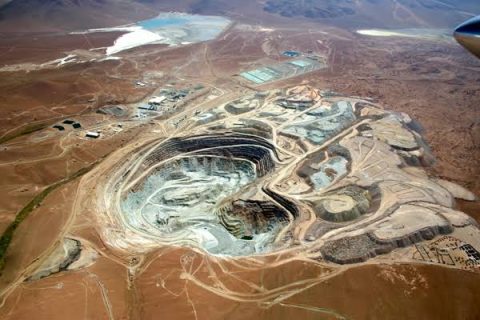
Argentina faces a different limit. It is expanding oil and gas exports from Vaca Muerta, but pipeline capacity and port access restrict growth. Chevron and Harold Hamm have increased their investments there. Rafael Ch of Signum Global Advisors said investors are looking at transport and export infrastructure alongside production. In Chile, Marimaca Copper chose a preferred lender on October 28 for a $400 million debt facility. The northern Chile open-pit mine is expected to produce 50,000 metric tons of refined copper a year from 2029.
Brazil’s power mix and the execution test
About 89% of Brazil’s electricity came from renewables in 2025, according to the country’s energy ministry. Stephanie Link of Hightower Advisors said Brazil is well placed to benefit as AI and data centers raise power demand. Brazil also holds the world’s second-largest reported rare-earth reserves at 11 million metric tons, according to the US Geological Survey. However, it produced only about 2,000 metric tons in 2025, against China’s 270,000.
Michele Della Vigna of Goldman Sachs said the world needs every possible energy source. Therefore, the region’s grids, ports, and refineries will matter as much as its mines. For example, Terranova has broken ground on a 216 MW data center in Campinas, São Paulo.
Other projects
American Airlines has officially signed a landmark lease agreement, committing to a $1 billion capital investment to overhaul and expand its fortress hub at Miami International Airport (MIA). Celebrating 35 years of operations in South Florida, the airline is moving beyond simple maintenance; this seven-year construction program is designed to increase the hub’s capacity by over 115 daily flights. As the anchor tenant of the North Terminal (Concourse D), American’s investment will integrate directly with Miami-Dade County’s broader Capital Improvement Program (CIP), signaling a shift from legacy infrastructure to a modern, high-efficiency aviation campus capable of handling next-generation widebody aircraft and surging passenger volumes from Latin America and the Caribbean.


Leave a Reply