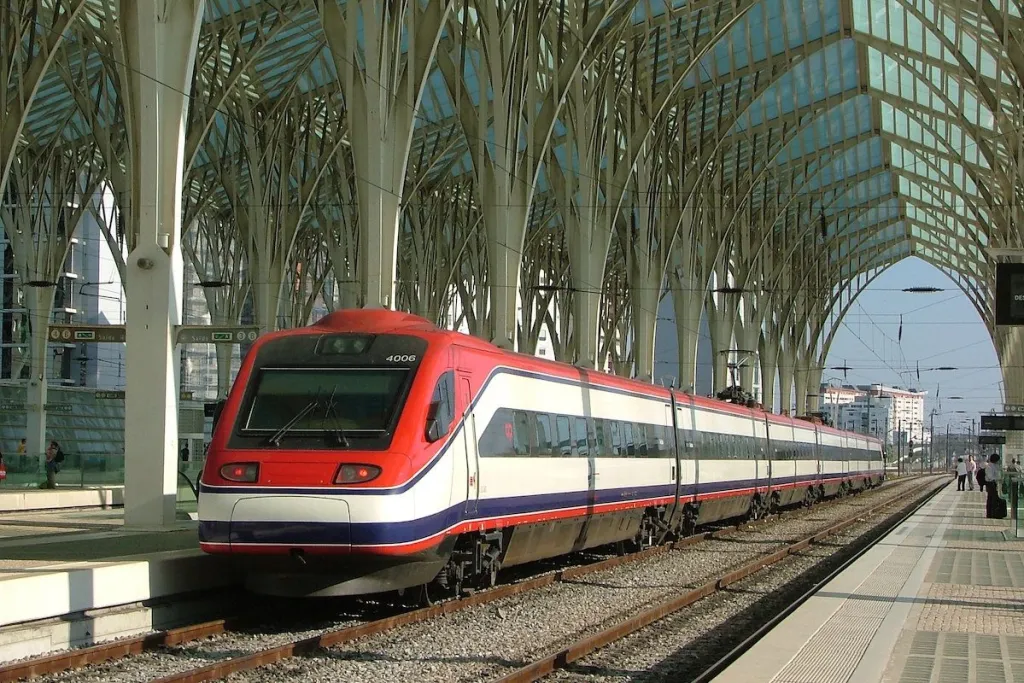
The construction works of a high-speed rail line (LAV) connecting Lisbon and Porto have started in Portugal. The works commenced on the first section between Porto-Campanhã and Oiã, in the district of Aveiro.
Upon completion, the high-speed line will enable passengers to travel between the two cities in just 1 hour and 15 minutes.
Significance of the High-Speed Line to Portugal
According to the Portuguese government, the high-speed project is a key part of the country’s national airport strategy as it will support the new Lisbon airport. Also, it will help strengthen rail links with Spain.
The government says the project will help set up a roughly three-hour journey between Lisbon and Madrid by 2034.
Portugal’s Largest Project of the Century
“Alongside the new Lisbon airport, high-speed rail lines represent the largest infrastructure projects the country will undertake this century,” Miguel Pinto Luz, Portugal’s minister of infrastructure and housing, said.
“It is therefore crucial that there be – as I know there is – a strong national consensus regarding high-speed rail and, more generally, the importance of investment in the railway system,” he added.
Porto-Oirã High-Speed Railway Line Length and Scope of Work
The Porto-Oirã section comprises of 71 kilometres of high-speed railway line. This is inclusive of a new road-rail bridge over the Douro River. Furthermore, it comprises of a new station at Vila Nova de Gaia-Santo Ovídio, and the expansion and redesign of the Porto-Campanhã Intermodal Station.
Key Timelines, Project Cost, and Funding
The concession contract for the Porto-Oiã section was signed on 29 July 2025. The section will cost approximately €2 billion. The Portuguese government will receive €875 million in financing from the European Investment Bank and €480 million from the Connecting Europe Facility.
“This project, structured as a Public-Private Partnership (PPP), is pivotal for the public passenger transport ecosystem and serves as a key structural element for the region,” the Ministry of Infrastructure and Housing says, adding that it “aligns with the European Commission’s objectives of doubling passenger rail traffic, complementing conventional rail lines and fostering a multimodal, sustainable approach alongside other mobility alternatives.”
Economic Impact
The Lisbon-Porto high-speed rail line is expected to drive significant long-term economic growth across Portugal. Immediate direct benefits will emerge through substantial job creation and supply chain activity during the construction phase. By dramatically slashing travel time between the country’s two financial hubs to 1 hour and 15 minutes, the project will enhance national productivity and foster business integration.
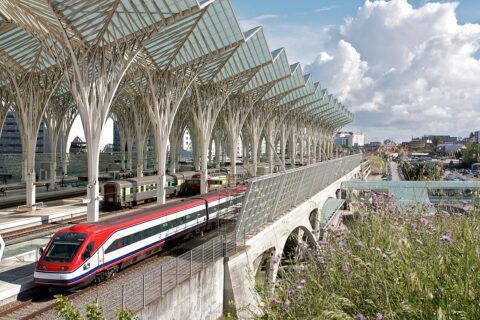
Additionally, better regional connectivity will stimulate local economies along the corridor, encouraging business investments and expanding access to urban labor markets. Integrating the line with the new Lisbon airport and the broader Spanish rail network will boost international tourism. Also, it will improve trade corridors, and strengthen economic ties across the Iberian peninsula. Furthermore, shifting passenger transit from road and air to electric rail aligns with European Union sustainability targets. These targets entail lowering long-term carbon emissions and cutting fuel dependency.
Project Factsheet: Lisbon–Porto High-Speed Rail Line
Project Name: Lisbon–Porto High-Speed Rail Line (Linha de Alta Velocidade – LAV)
Key Objective: Connect Portugal’s two largest cities, slashing travel times from nearly three hours down to 1 hour and 15 minutes.
Strategic Role: Acts as a backbone for Portugal’s national airport strategy (connecting to the new Lisbon airport) and expands international rail links toward Spain (aiming for a 3-hour Lisbon–Madrid connection by 2034).
Initial Section (Phase 1): Porto–Oiã
- Route Length: 71 kilometres
Key Components:
- Expansion and overhaul of Porto-Campanhã Intermodal Station
- A new underground/surface station at Vila Nova de Gaia-Santo Ovídio
- A new road-rail bridge spanning the Douro River
Model: Public-Private Partnership (PPP)
Contract Value: €2 billion (Concession signed July 29, 2025)
Funding and Financing
- European Investment Bank (EIB): €875 million
- Connecting Europe Facility (CEF): €480 million
- Remaining Balance: Covered via PPP equity and state development funds
Key Impact and Vision
Multimodal Integration: Aligns with European Union goals to double passenger rail traffic and cut transport emissions.
National Scale: Described by the government as one of the largest infrastructure investments undertaken by Portugal this century.

Leave a Reply