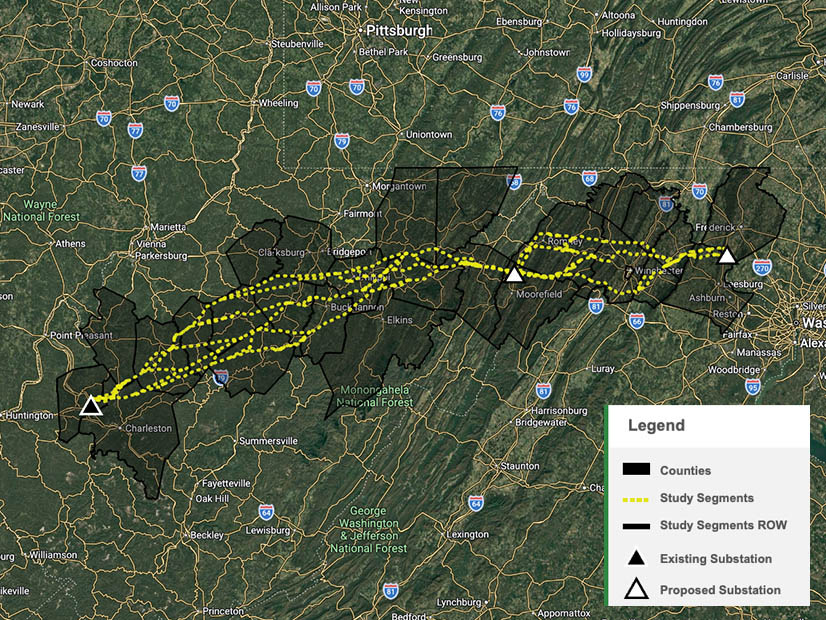
The $2bn+ Valley Link transmission line project is sparking intense grassroots opposition across multiple states. This monumental infrastructure project should be able to carry tremendous amounts of electricity directly to Northern Virginia, which has the world’s largest concentration of data centers. In particular, the regional grid expansion, recommended by PJM, is extremely aggressive to meet the fast-rising energy demands of the AI boom.
Rural property owners in West Virginia, Virginia and Maryland, however, strongly resent having their family farms taken away from them by eminent domain. Residents say that they are not getting the equivalent of any benefit from the vast infrastructure but are bearing the huge costs and impacts to the environment and finances.
In addition, state ratepayers will end up paying millions of dollars in long-term operation and construction costs during the line’s service life. Data centers such as the Valara data center are contributing to this enormous development of transmission projects across the US.
Rural Resistance to the 765-kV Valley Link Transmission Line Project
Resisting this gigantic grid expansion demands much concerted, community action from the states. Standing-room-only listening sessions have been regularly followed by intense protests over the past several months. Local town councils have adopted firm resolutions against the project, for instance, spending hundreds of thousands of dollars on lawyers. The spread of these invasive transmission lines is being explicitly tied to Loudoun County’s insatiable, unchecked data center growth by rural landowners. One disgruntled West Virginia farm owner said, “We are the extension cord for Loudoun County. There is significant opposition to the idea that private tech companies should use the power of eminent domain to take private property.
Grid Vulnerabilities and Legislative Battles
The solution to this volatile situation of two warring sides in the infrastructure conflict is to strike a balance between grid reliability and community rage. A small piece of equipment malfunctioned last summer in Northern Virginia, causing electrical grids to flicker as far away as Miami and revealing their huge weaknesses. By 2032, PJM estimates the total amount of electricity that data centers will consume in the U.S. to match the amount being used by the entire residential sector. As a result, state regulatory boards have traditionally accepted power company’s aggressive transmission evaluations. But angry residents have been pressing state legislatures to take action to make underground alternatives a consideration. In the end, if the rural communities can stop the Valley Link project, it could slow the nation’s data center rollout for AI to a crawl.
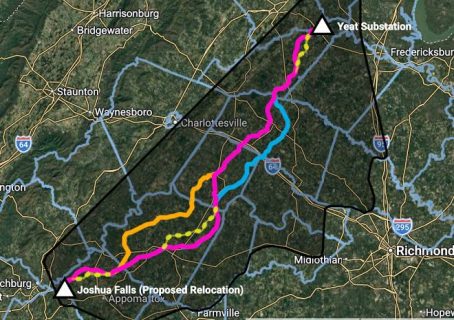
Project Overview
- Project Value: $1B to $2B+
- Location: West Virginia, Virginia, Maryland
- Developer: PJM & Valley Link
- Status: Route finalization pending
Scope
- 260-mile, 765-kilovolt transmission line
- 160-foot tall towers
- Massive right-of-way clearing
- Connects Ohio Valley to Northern Virginia
Project Highlights
- Feeds Loudoun County data centers
- Sparks fierce bipartisan opposition
- Highest voltage line regionally
- Faces intense legal resistance
Key Developments
- PJM approved project in 2025
- Towns hired independent legal counsel
- Updated maps avoid sensitive areas
- Ratepayers face long-term costs
Key Challenges
- Overcoming fierce grassroots opposition
- Justifying eminent domain seizures
- Managing ballooning $2B+ costs
- Guaranteeing grid reliability
Outlook
- Completion targeted for 2029
- State boards reviewing routes
- Politicians may intervene legislatively
- Sets national data center precedent



Leave a Reply