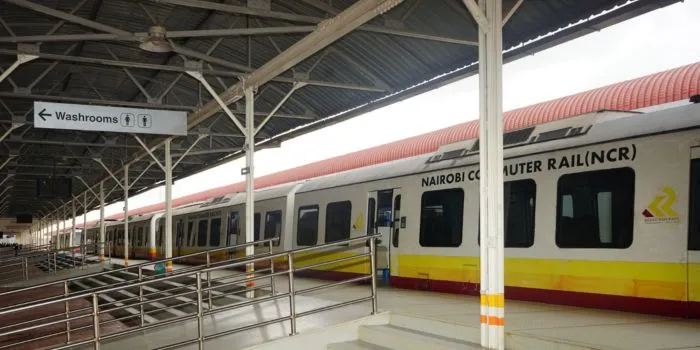
Nairobi County has officially approved plans for its first underground railway line running beneath the Central Business District (CBD) to Eastlands, marking a major step forward in revamping the capital’s public transport network. Moreover, the approval was finalized during the 90th County Executive Committee meeting, chaired by Governor Johnson Sakaja, which endorsed the implementation framework for the initial phase of the Nairobi Metropolitan Mass Rapid Transit System (NMRTS). Also, other planned rail projects in Nairobi include the JKIA-CBD rail.
This first phase features an underground rail core passing through the city center alongside the Eastlands Line, bridging key commuter routes that serve thousands of residents every day. According to county officials, the underground system will relieve heavy road traffic by providing a high-capacity transport option. The approved framework includes integrated transit terminals designed to seamlessly link underground rail services with pedestrian pathways and non-motorized transport options. This project will make Nairobi the second city in Kenya to develop a railway in order to ease congestion after Mombasa.
How the Underground Rail will Benefit Nairobi
Highlighting the vision behind the development, Sakaja stated on Wednesday, July 22, that integrating an underground CBD core with high-capacity connections to Eastlands will unlock the city’s economic potential, reduce transport costs, and help build a cleaner, greener, world-class city. Beyond reducing travel times and easing daily commutes, the project is expected to boost economic activity, generate jobs across both construction and operational phases, and support efforts to lower urban carbon emissions.
Additionally, Sakaja emphasized that this endorsement signals a shift from planning to active execution, stemming from close technical collaboration between Nairobi County and the Executive Office of the President. Also, looking ahead, planning for the project’s second phase is already in motion, with proposed extensions targeting Westlands, Ngong Road, and Lang’ata to serve commuters traveling from Ngong, Ongata Rongai, and Nairobi’s western suburbs. Lastly, before officially breaking ground, the county plans to conduct public participation forums and consult with key transport stakeholders.
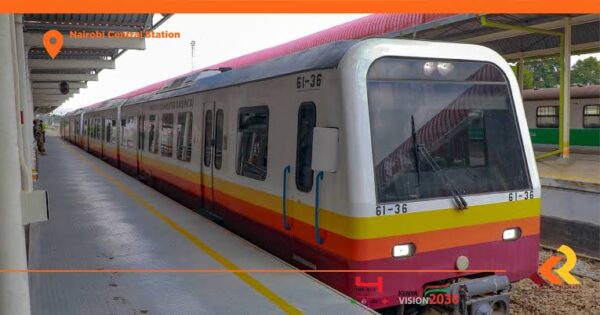
Nairobi Underground Rail Line: Project Factsheet
Project Name: Nairobi Metropolitan Mass Rapid Transit System (NMRTS) – Phase 1
Governing Authority: Nairobi City County Government in collaboration with the Executive Office of the President
Approval Body: 90th County Executive Committee (CEC), chaired by Governor Johnson Sakaja
Primary Corridors:
- Underground CBD Transit Core
- Eastlands High-Capacity Line
Multimodal Integration: Bus Rapid Transit (BRT) interchange stations, commuter rail, pedestrian walkways, and non-motorized transport (NMT)
Current Status: Implementation Framework Approved; Public Participation & Stakeholder Engagement phase
Key Infrastructure Components
- Underground CBD Core: A subterranean rail network running beneath the Central Business District to preserve surface land area, relieve road congestion, and streamline urban transit.
- Integrated Transit Terminals: Subsurface and surface stations designed to seamlessly connect rail commuters with pedestrian corridors and non-motorized transport.
- Eastlands Line: A high-capacity transit link servicing one of Nairobi’s most densely populated commuter zones, directly connecting Eastlands to the CBD.
- Multimodal Interchange Hubs: Strategic transfer points allowing passengers to switch between the NMRTS rail network, regional commuter trains, and the Bus Rapid Transit (BRT) system.
Projected Impacts & Objectives:
Congestion Reduction: Shifts high volumes of daily commuters off surface roads onto high-capacity rail infrastructure.
Economic Efficiency: Cuts lost productivity hours spent in traffic jams and lowers overall transit costs for workers.
Job Creation: Generates direct and indirect employment opportunities during both the construction phase and operational maintenance.
Environmental Sustainability: Reduces vehicle carbon emissions, supporting Nairobi’s climate action and green city transit goals.
Future Phasing (NMRTS Phase 2):
Preliminary planning for Phase 2 is currently underway, focusing on extending the high-capacity transport network to:
Western Corridor & Commercial Hubs: Westlands, Ngong Road, and Lang’ata.
Metropolitan Feeder Zones: Ongata Rongai, Ngong town, and surrounding western suburbs.
Project Team
Primary Project Leadership & Governance:
Nairobi City County Government (NCCG):
- Lead Authority: Serving as the host government authority responsible for local policy, urban planning alignment, public participation, and ward-level implementation.
Institutional Framework & Regulatory Agencies
- Nairobi Metropolitan Area Transport Authority (NaMATA): The primary statutory planning body responsible for overseeing mass rapid transit corridor designs, policy alignment, and multimodal transit integration across the Nairobi Metropolitan region.
- National Government Intergovernmental Steering & Implementation Committees: Oversight bodies established under the National-County cooperation agreement.
Integration & Inter-Agency Coordination:
- Kenya Railways Corporation (KRC): Key partner for interchange connections with existing commuter rail networks. Also, it will be the key partner for multimodal transfer hubs at Nairobi Central Station.
- Matatu and Public Transport Sector Stakeholders: Local transport operators, SACCOs, and non-motorized transport groups. They will be involved through formal public participation forums ahead of construction.


Leave a Reply