Constructionreview

Blog

  • A look at The Arch of Time; The worlds first regenerative solar sculpture

    A look at The Arch of Time; The worlds first regenerative solar sculpture

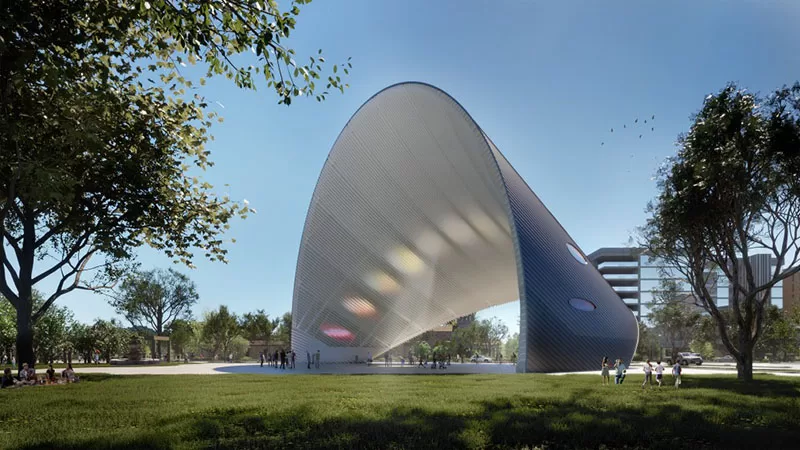
    Manson Park in Houston is set to become the location of the Arch of Time which will be the world’s first regenerative solar sculpture. But what is a regenerative solar sculpture? Simply put it is a sculture in the shape of a sundial which will also be able to generate electricity from the sun that will meet the parks energy needs. The sculture will stand 100 feet tall and be located strategically in Mason Park, located in the city’s culturally rich East End.

    Many of the renewable energy designs I’ve seen have consisted of elaborately designed wind turbines such as the Whirlers which is a project proposes building a large cluster of colorful wind turbines at Fresh Kills Park in Staten Island that generate electricity from wind. This design marks a definite shift that highlights that what design can do for wind it can also do for solar

    The world’s largest freestanding sundial

    Designed by architect Riccardo Mariano, the Arch of Time isn’t just a feat of sustainability—it also doubles as the world’s largest freestanding sundial. The sculpture fuses art, science, and renewable energy, producing an estimated 400,000 kilowatt-hours of clean electricity annually, enough to meet all of Mason Park’s energy needs.

    Privately funded, the project is part of an ongoing revitalization led by the Harrisburg Redevelopment Authority and the Houston Parks and Recreation Department (HPARD). It’s supported by the nonprofit Land Art Generator Initiative with seed funding from the Acronym Fund, created by Donald and Barbara Tober.

    Beyond powering the park, the Arch of Time has a strong educational mission. Council Member Joaquin Martinez highlighted its potential as a tool for STEAM education—science, technology, engineering, art, and math.

    “Students will gain hands-on experience by tracking the sculpture’s real-time solar energy output, preparing them for careers in the sustainable industries of tomorrow,” Martinez noted in a statement.

    Also Read: Vesper Energy Launches 600 MW Hornet Solar Project in Texas

    Electricity generation

    Over its lifetime, the Arch of Time is expected to generate over 12 million kilowatt-hours of electricity—offsetting 8,500 metric tons of CO₂. It’s also designed to serve as a resilience hub, capable of supplying backup power to a nearby community center during emergencies.

    Set within a broader effort to rejuvenate Mason Park, the project reflects the park’s deep roots in the local community.

    “This installation will elevate Mason Park’s legacy and create new ways for people to connect and engage,” Martinez added.
  • Updates on Los Angeles’ $2.4B Inglewood Transit Connector Project

    Updates on Los Angeles’ $2.4B Inglewood Transit Connector Project

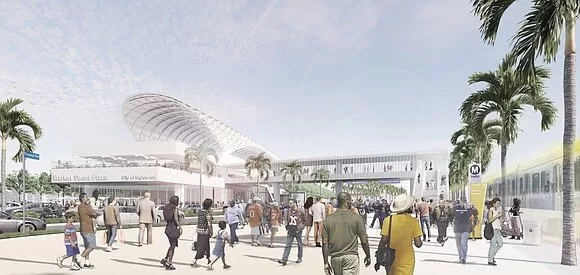
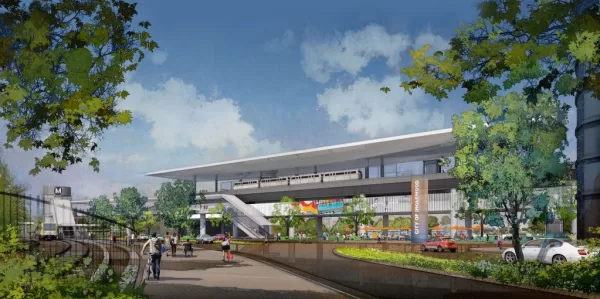
    The Inglewood Transit Connector Project, a key element of Los Angeles’ 2028 Olympic preparations, has now been officially canceled. It had initially promised to deliver a $2.4 billion light-rail system linking downtown Inglewood to major sporting and events venues. This elevated train was to improve traffic flow and ease congestion before the Olympic Games. But resistance from local businesspeople, including Rams owner Stan Kroenke and Clippers owner Steve Ballmer, halted things. They argued the rail system would hinder future growth. City officials responded by deciding to replace the project with a shuttle bus system. The new system promises more accessibility and smarter traffic flow, without the radical transformation of the cityscape. After negotiations with residents and business stakeholders, the city officials concluded that this course is more in line with community goals. Mayor James T. Butts emphasized that this move reflects a listening culture to the people of Inglewood.

    Also read:

    Los Angeles rail projects get US$134m pre-development agreements

    What Next for Los Angeles’ Inglewood Transit Connector Project

    The Inglewood Transit Connector Project will now focus on a shuttle-based transit system. It involves smart traffic improvements and more bus routes. Those will be rolled out incrementally throughout 2028. While the 1.6-mile light-rail was cut, the new plan will meet Olympic transportation needs. Furthermore, city officials will work closely with LA Metro on the implementation of the revised plan. They believe it promotes traffic relief and neighborhood connection. It is a sign of community-driven planning.

    Inglewood Transit Connector Project
    The Inglewood Transit Connector Project will now focus on a shuttle-based transit system.

    The Inglewood Transit Connector Project’s cancellation has far-reaching effects on Los Angeles Olympic planning. Originally designed to be a high-tech rail system, the project was meant to enhance long-term mobility in Inglewood. Its cancellation is a dramatic shift in infrastructure approach, putting local needs ahead of grand construction. Instead of putting tourists and global profile first, city officials decided to put focus on residents’ daily needs. The shuttle system’s implementation shows an affordability, lower-impact commitment. Also, the choice shows what neighborhood opposition can do to projects worth a billion dollars.

    Also read:

    US$ 143M “Rail to Rail” Project breaks ground in Los Angeles, California

    Southeast light rail construction approved for construction, Los Angeles

  • RWE Installs All 72 Turbine Foundations at Denmark’s Largest Offshore Wind Project, Thor, in Latest Update

    RWE Installs All 72 Turbine Foundations at Denmark’s Largest Offshore Wind Project, Thor, in Latest Update

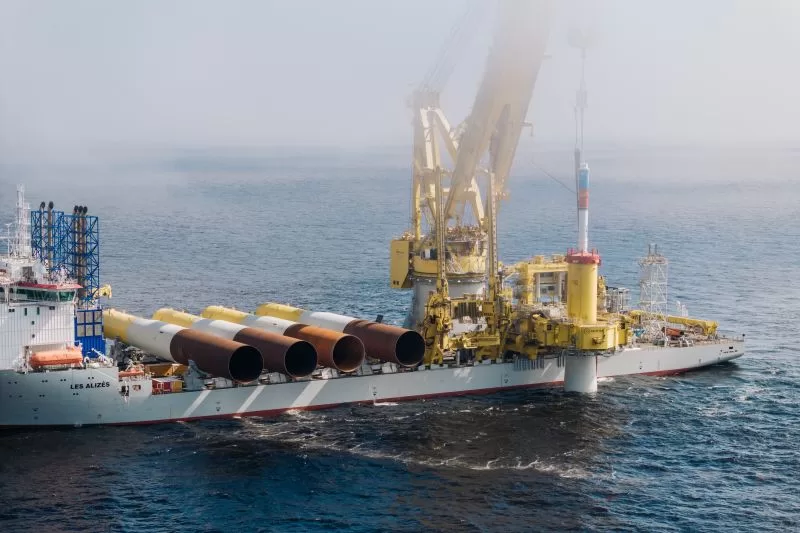
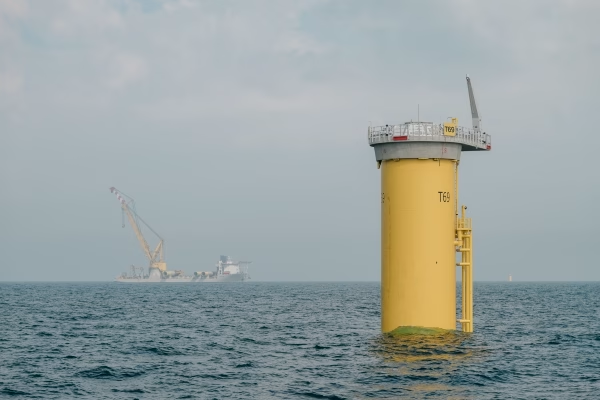
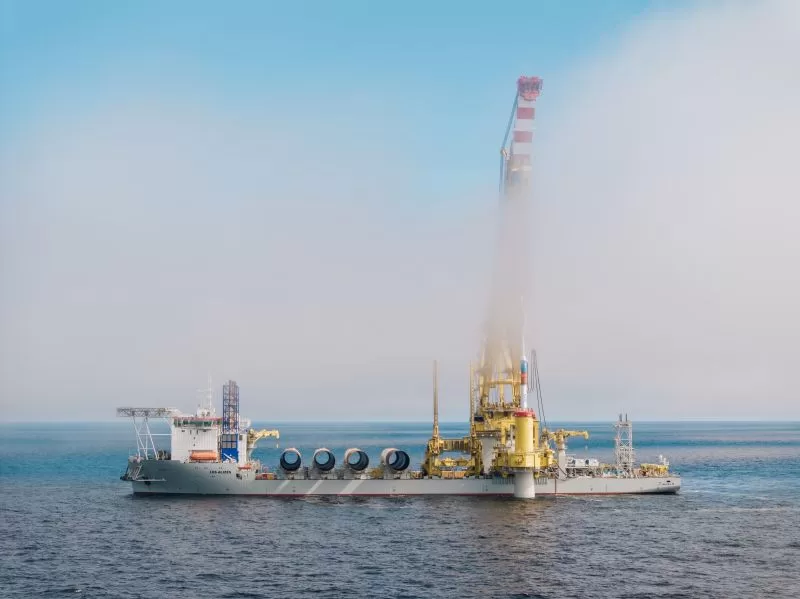
    Updated September 25, 2025 – RWE celebrates key milestone in Denmark’s largest offshore wind project, Thor, after installing all its 72 monopile foundations. This milestone comes just five months after the first monopile foundation was installed. Following this will be the installation of secondary steel structures later this year. This will be subsequently followed by turbine installation in 2026.

    Thor’s German developer also notes the importance of sustainability in the project. This is evidently marked by features such as the reusing of monopile hard covers and use of CO2-reduced steel towers. Recyclable blades will also be used for the Thor offshore wind project in Denmark. This continues to set pace for the project which expects completion in 2027. Once operational, Thor will be able to power more than one million Danish homes.

    Additionally, as RWE continues to hit milestones for the Thor and the Nordseecluster offshore wind projects, it also expects closure on a €1.4 billion, 49% share purchase agreement for the farms with the Norges Bank Investment Management in Q3 2025.

    RWE Installs All 72 Turbine Foundations at Denmark's Largest Offshore Wind Farm: Thor

    First of 72 Monopiles Installed at Denmark’s Largest Offshore Wind Farm: Thor

    Reported April 30, 2025 – German multinational energy company RWE has installed the first of 72 monopile foundations at the Thor offshore wind project in Denmark. The 1,500 tons monopile foundations being shipped from a heavy-lift terminal in Eemshaven, the Netherlands, will be installed at the offshore wind farm site over the next few months. The foundations were designed by Wood Thilsted, and manufactured by Dajin Offshore and EEW SPC. Dajin also manufactured the foundations for the Nordseecluster offshore wind project by RWE in Germany. Once the 100 meters monopile foundations are all laid by end of the year, turbine installation will start as soon as 2026. This aligns with Thor offshore wind project’s timeline that foresees completion and commissioning by 2027.

    Thor Wind Project Factsheet

    Developer: RWE

    Location: 22 km off the west coast of Jutland, Denmark

    Type: Offshore wind farm

    Current project phase: monopile foundation installation

    Electrical substation(s): 2 – offshore and onshore

    Wind farm commissioning date: 2027

    Monopile foundations

    Foundation length: 100 meters

    Foundation weight: 1,500 tons

    Designer:  Wood Thilsted

    Manufacturer: Dajin Offshore and EEW SPC

    Turbines

    Capacity: 1,080 MW

    Units: 72

    Supplier: Siemens Gamesa

    Type: 15MV

    Offshore installation: 2026

    RWE’s Thor Offshore Wind Project In Denmark

    Denmark’s 1 GW Thor wind farm is being constructed 22 kilometers from Thorsminde in the municipality of Holstebro. It will also be the largest offshore wind farm in Denmark once completed in 2027. After commissioning, Thor will generate enough green electricity to power the equivalent of more than one million Danish homes.

    RWE Installs Turbine Foundations at Denmark's Thor Offshore Wind Farm
    Denmark’s Thor Offshore Wind Project has installed its first foundation, marked by a sustainability milestone through the use of reused monopile hard covers

    Sustainability Armory

    According to RWE, the Thor wind farm in Denmark also features more than wind in its sustainability armory. This includes the reuse of hard covers for the foundations currently being installed, and CO2-reduced steel towers for the turbine installation scheduled to start next year. Also marked with sustainability will be the recyclable Siemens Gamesa turbine blades souring 266 meters above the Danish North Sea in the Thor wind farm.

    The announcement of the first foundation installation also sets a progressive precedent for the Thor Offshore Wind Project, which recently benefited from a major investment by Norges Bank.

    Also read: East Anglia­ 3 offshore wind project Construction Progress Gears Up to meet 2026 Operational Date

    Also read: Equinor and Polenergia Secure Key Environmental Approval for Bałtyk 1 Offshore Wind Farm

  • $1B Merck Wilmington Biotech Facility in Delaware: What to Know

    $1B Merck Wilmington Biotech Facility in Delaware: What to Know

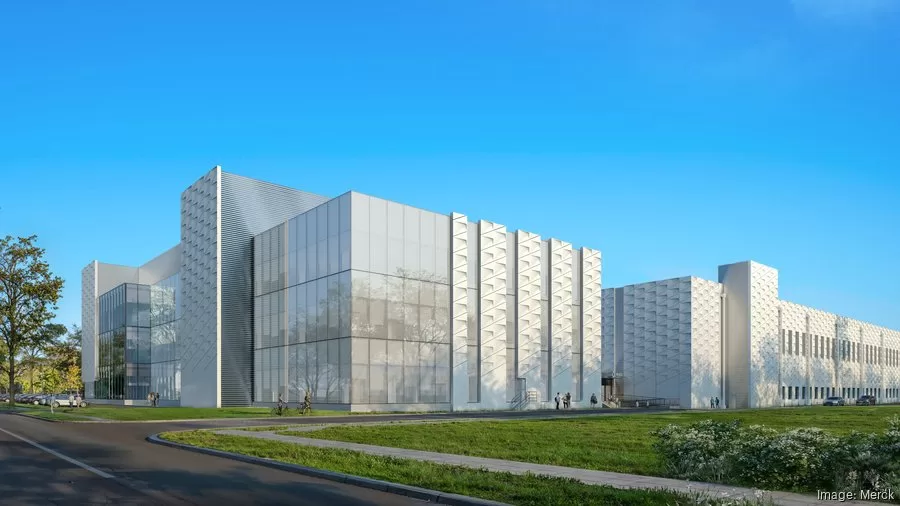
    Merck is constructing a new biologics manufacturing campus in Wilmington, Delaware, representing a US $1 billion investment that will house laboratories, manufacturing and warehouse operations under the name, Merck Wilmington Biotech. Located at the Chestnut Run Innovation & Science Park (CRISP), the 470,000-square-foot facility is designated to become the U.S. home for production of therapies including the immuno-oncology drug Keytruda. The facility is also geared toward strengthening Merck’s domestic manufacturing footprint while enhancing its capabilities in next-generation biologics. The company also recently broke ground on a new US$3 billion pharmaceutical manufacturing plant in Elkton, Virginia.

    Construction Begins on US$ 1B Merck Wilmington Biotech in Delaware

    Reported May 28, 2025 – Merck has officially launched construction on a $1 billion, 470,000-square-foot biologics manufacturing facility in Wilmington, Delaware, marking a significant investment in the company’s U.S. production capabilities. The site, referred to by the company as “Merck Wilmington Biotech” in its announcement, is set to support the development and commercialization of next-generation biologics, including antibody-drug conjugates, and will eventually serve as the company’s U.S. manufacturing hub for Keytruda (pembrolizumab).

    Merck Breaks Ground on $3 Billion Elkton Pharmaceutical Manufacturing Center in Virginia
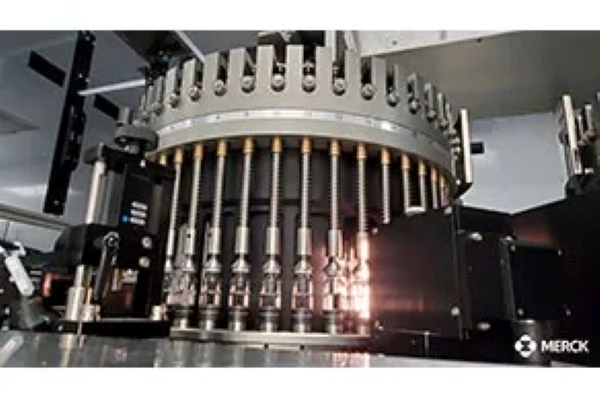
    Automated visual inspection of filled vials at one of Merck’s pharmaceutical manufacturing facility. Courtesy Merck

    The facility will include laboratory, manufacturing, and warehouse components. The lab operations are expected to come online by 2028, with full-scale production of investigational compounds projected to begin in 2030. Merck emphasized that this is just the beginning, as the company eyes additional investments to expand the site over time.

    “Merck Wilmington Biotech project underscores our continued commitment to growing our investments in U.S. manufacturing,” said Merck CEO Robert Davis in a statement. “It has the potential to create thousands of high-paying American jobs while ensuring we can produce and distribute critical medicines close to patients.”

    Initial plans call for more than 500 permanent jobs at the Wilmington site, while construction is expected to generate over 4,000 temporary roles. Future expansion could bring an additional 1,500 full-time positions and support up to 26,000 construction jobs, according to company estimates.

    Read also: El Camino Health Breaks Ground on New Rehab Hospital in Sunnyvale

    Merck Wilmington Biotech Facility: Project Factsheet

    Project Overview

    Investment: $1 billion

    Facility Size: 470,000 square feet

    Location: Chestnut Run Innovation & Science Park (CRISP), Wilmington, Delaware

    Purpose: U.S. manufacturing hub for biologics including antibody-drug conjugates and Keytruda (pembrolizumab)

    Merck Wilmington Biotech: Facility Components

    Research laboratories

    Manufacturing facilities

    Warehouse operations

    Merck Wilmington Biotech Center Timeline

    Laboratory Operations: Expected online by 2028

    Full-scale Production: Projected to begin in 2030

    Future Plans: Additional investments planned for site expansion

    Economic Impact

    Permanent Jobs: 500+ initial positions

    Construction Jobs: 4,000+ temporary roles

    Future Expansion: Potential for 1,500 additional full-time positions and up to 26,000 construction jobs

    Read also: Children’s Mercy Hospital Kansas Unveils $152M Expansion Plan

    Government Support

    $30.2 million state grant approved by Delaware investment board (February 2025)

    Building on Recent Momentum

    Merck’s move comes shortly after the opening of a separate $1 billion vaccine facility in North Carolina, reinforcing a broader strategy to strengthen domestic production capacity. The Delaware project was further bolstered by a $30.2 million state grant approved by the Delaware investment board in February, contingent on Merck’s decision to build at the Chestnut Run Innovation & Science Park (CRISP), just west of downtown Wilmington.

    Merck Wilmington biotech announcement also adds to a growing wave of investment in U.S. pharmaceutical manufacturing. Amgen recently unveiled a $900M expansion of its Ohio operations, adding 350 jobs, while other industry giants like Novartis, Eli Lilly, Roche, Johnson & Johnson, and AbbVie have collectively committed over $165 billion toward U.S. manufacturing over the next decade.

    Read also: Amtrak chooses Wohlsen Construction for it UOC project, Delaware

  • 70,000 new housing units to be built in Riyadh from $66,000, says Al-Hogail

    70,000 new housing units to be built in Riyadh from $66,000, says Al-Hogail

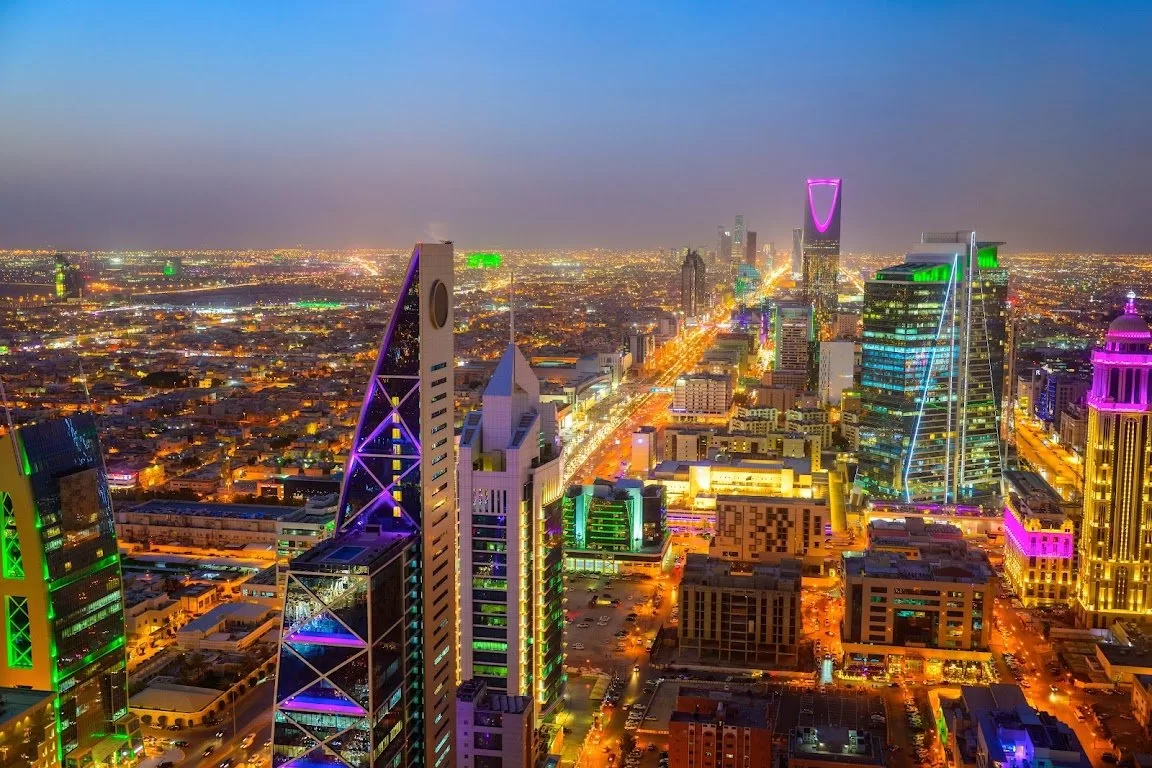
    Saudi Arabia will build 70,000 new housing units in Riyadh, with prices starting at $66,000. Housing Minister Majed Al-Hogail made the announcement on Monday, underlining the government’s push to provide more affordable homes.

    Project factsheet

    • Number of units: 70,000

    • Starting price: SAR 250,000 ($66,000)

    • Target: Boost homeownership, support low-income families

    • Backed by: Vision 2030 initiative

    • Funding support: SAR 1 billion donation by Crown Prince Mohammed bin Salman

    • Planned delivery: From 2025 onwards

    • Location: Various parts of Riyadh

    • Key priority: Affordability and job creation

    • Next goal: Reach 70% homeownership by 2030

    Al-Hogail shared the news at a joint press briefing with Media Minister Salman Al-Dosary. He said the move aims to help more Saudis own homes and support those in need.

    He also praised the Crown Prince’s SAR 1 billion donation, calling it a strong message that the government is serious about the housing sector.

    According to the minister, the homeownership rate rose to 65.4% in 2024, up from 47% in 2016. This achievement beat their target one year early.

    To make homes more accessible, the ministry introduced 11 new financial solutions. It also improved support programmes to make them fairer and easier to use.

    So far, over 850,000 families have become homeowners. The next milestone is to hit 70% ownership by 2030.

    He said that more than 50,000 homes have already been given to the neediest families. Out of these, 43,000 families now own their houses.

    READ ALSO: Firms Prepare Bids for Saudi Arabia’s 2KM Tower Project in Riyadh

    Economic boost linked to new housing units in Riyadh

    Al-Hogail stressed that prices will stay affordable, especially in Riyadh. He also noted the plan’s role in creating local jobs and boosting the economy.

    Currently, the housing and municipal sectors contribute 14% of Saudi Arabia’s GDP. These sectors include more than 550 types of activities.

    Since the reforms began, over 500,000 jobs have been created, with 318,000 businesses now working under the ministry’s watch. The real estate market has also grown—from SAR 170 billion to SAR 850 billion in 2024.

    Foreign investors are also paying attention. Over 16% of total foreign direct investment now goes to real estate and construction. In fact, municipal revenues jumped from SAR 6.3 billion in 2020 to SAR 22 billion in 2024.

    Saudi cities are going smarter, too. Six have already earned “smart city” status. The government plans to expand urban identity projects to 12 more cities by year-end.

    Al-Dosary, meanwhile, called Vision 2030 a “global model.” He said its achievements are coming faster than expected. He cited successes like AlUla’s international recognition, Saudi hospitals ranking among the world’s best, and the Virtual Health Hospital entering the Guinness World Records.

  • Perseus Commits $523 Million for the Development of Nyanzaga Gold Project(NGP) in Tanzania

    Perseus Commits $523 Million for the Development of Nyanzaga Gold Project(NGP) in Tanzania

    The African-focused gold company Perseus Mining has made a final investment decision (FID) to develop the Nyanzaga Gold Project (NGP) in Tanzania. Furthermore, this development will be facilitated with an investment of approximately $523m (A$817.08m).

    The updated feasibility study for the Nyanzaga Gold Project, includes insights and recommendations derived from technical assessments conducted by Perseus’ technical team and has led to the FID.

    Nyanzaga Gold Project Factsheet

    Location: It is approximately 60 kilometers southwest of Mwanza and about 7 kilometers southeast of Ngoma.

    Ownership: The Nyanzaga Gold Project is owned through a joint venture company, Sotta Mining Corporation Limited. The ownership structure is:

    • Perseus Mining Limited: 80% contributing interest. Perseus Mining acquired the project in May 2024 through the takeover of OreCorp Limited.
    • Government of Tanzania: 20% non-contributing interest, as mandated by Tanzanian mining regulations for major projects.

    Investment: Perseus Mining has committed approximately US$523 million (including contingency) for the development of the mine. This investment will be financed through interest-free intercompany loans from Perseus’ existing cash and bullion reserves.

    Also read: Tanzania’s Kwala Dry Port Completion Expected to Ease Dar es Salaam’s Lorry Gridlock

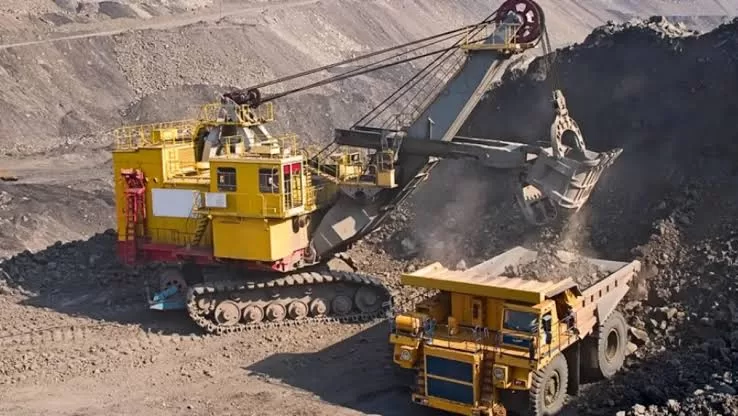
    Mining operations: The initial phase of development will involve a large-scale, wholly open-pit mining operation, focusing on the Nyanzaga (Tusker) and Kilimani deposits.

    Production: First gold production is anticipated in the first quarter of 2027. The project is expected to produce a total of 2.01 million ounces of gold over an initial 11-year mine life. Also, the average annual gold production is projected to exceed 200,000 ounces from 2028 to 2035, with a peak production of 246,000 ounces expected in 2028.

    Infrastructure:

    • Access: the project is accessible from Mwanza via the sealed Mwanza – Geita Highway. An unsealed road bypassing Ngoma township is under construction to reach the site.
    • Power: power will be supplied from the Tanzania Electric Supply Company Limited (TANESCO) national grid via a new 53 km long 220 kV transmission line from the Bulyanhulu substation. Standby generators will also be installed.
    • Water: raw water will be primarily sourced from Lake Victoria.

    Also read: Three New Natural Gas Wells Set for Drilling in Tanzania’s Mwanza Bay Gas Field

    Capacity of Nyanzaga Gold Project

    The NGP will be a large-scale, open-pit mining operation with estimated total gold production of 2.01 million ounces (moz) over an 11-year phase one mine life. The average all-in site cost is projected to be $1,211/oz.

    Production Commencement Date

    The mine is expected to begin gold production in the first quarter of 2027 (Q1 2027).

    The development of the mining project will be financed through interest-free loans from Perseus’ existing cash reserves. These cash reserves stand at $801m as of 31 March 22025.

    As for now, Perseus has invested approximately $27.5m so far to strengthen the project team and initiate early works.

    Additionally, these efforts on the mine’s development include site establishment, setting up temporary construction accommodations, conducting bulk earthworks, and executing the relocation action plan to build new homes for those affected by upcoming construction and operational activities.

    Also, Perseus’ investment in the NGP is underpinned by strong financial metrics. This is inclusive of an estimated pre-tax net present value (NPV 10%) of $404m and an internal rate of return of 26%. These figures are drawn from a long-term assumed gold price of $2,100/oz.

    Also read: Tanzania-DRC Dry Port Construction Deal Signed

    Furthermore, NGP’s capital costs are estimated at $472m. This includes a $49m contingency, with an additional $51m in pre-production capital.

    Perseus Portfolio in Africa

    Perseus has a track record of successfully developing and operating gold mines in Africa, including the Edikan, Sissingué and Yaouré mines.

    Additionally, the managing director and CEO of Perseus, Jeff Quartermaine said: “Perseus is very excited by its decision to proceed with the development of the Nyanzaga Gold Project and is looking forward to working alongside the Government of Tanzania to deliver a world class mining operation.

    Also read: China to Provide $1.4 Billion for Tanzania-Zambia Railway Rehabilitation