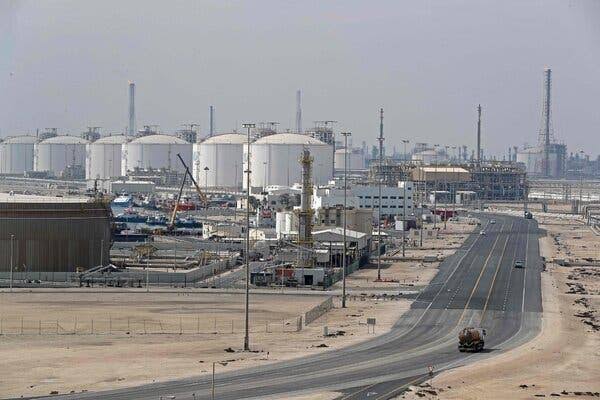
The Ras Laffan gasoline plant project is advancing towards contractor procurement, with QatarEnergy seeking engineering, procurement and construction (EPC) contractors. The proposed Greenfield development will add 60,000 barrels per stream day (BPSD) of gasoline production capacity. It will rise within Ras Laffan Industrial City (RLIC), approximately 80 kilometers north of Doha. Furthermore, the facility will produce gasoline that meets Euro V fuel specifications. The development represents a significant expansion of Qatar’s downstream petroleum infrastructure. It also supports the country’s long-term strategy to strengthen domestic fuel production and supply security.
On November 23, 2026, MEED reported that QatarEnergy had invited prospective EPC contractors to express interest in the development. The invitation marks an important procurement milestone ahead of the project’s construction phase. However, QatarEnergy has not announced the successful contractor, construction commencement date or estimated investment value.
The project has already progressed beyond its initial planning stages. According to QatarEnergy’s 2025 Annual Review, the company awarded the front-end engineering design (FEED) contract during 2025. Design and engineering activities were progressing according to the project schedule. Consequently, the development is moving towards engineering, procurement, installation and commissioning activities.
Ras Laffan gasoline plant advances towards construction procurement
The EPC procurement process will establish the contractor responsible for delivering the proposed production facility. The selected contractor will undertake engineering, equipment procurement, installation and construction activities under the agreed project scope.
Furthermore, the development will require specialized refinery engineering and industrial construction capabilities. These will support the installation of gasoline processing equipment and associated production systems. The project will also require electrical, instrumentation, mechanical and process engineering installations.
In addition, supporting infrastructure will form an important part of the facility’s construction requirements. This may include utility connections, safety installations, control systems and associated industrial facilities. However, QatarEnergy has not published the complete EPC scope or detailed construction specifications.
The proposed production capacity stands at 60,000 BPSD. This represents the facility’s designed gasoline output under standard operating conditions. Meanwhile, the Euro V specification establishes the required quality standard for the gasoline produced.
QatarEnergy’s 2025 Annual Review identifies the development as a strategic initiative. The company intends to enhance national gasoline production capacity and strengthen long-term fuel supply security.
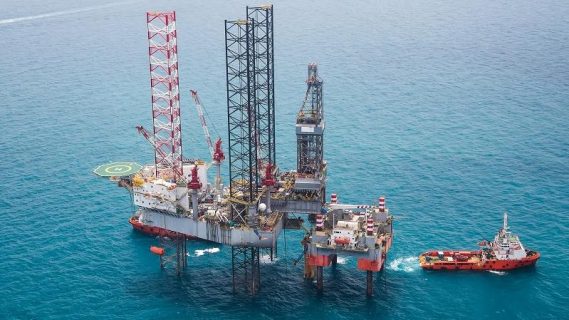
QatarEnergy’s expanding investment in the country’s energy infrastructure also includes offshore gas development. The company is pursuing major works under the North Field Production Sustainability programme, including a potential $4 billion offshore engineering, procurement, construction and installation package. The North Field offshore project involves new compression facilities designed to sustain production from Qatar’s giant natural gas reservoir. Together, the offshore gas development and the Ras Laffan gasoline plant highlight QatarEnergy’s continued investment in upstream and downstream petroleum infrastructure.
Ras Laffan gasoline plant supports domestic fuel supply
The project also responds to Qatar’s wider objectives concerning domestic refined-fuel production and product quality. QatarEnergy’s 2024 Sustainability Report previously outlined plans for a new gasoline production facility at Ras Laffan.
According to the report, the proposed facility primarily targets domestic fuel demand. It also identifies the production of Euro V gasoline as part of efforts supporting improved local air quality.
In particular, the company links stricter fuel specifications with reductions in vehicle-related sulphur dioxide (SO2), nitrogen oxides (NOx) and particulate matter emissions. These benefits depend on fuel quality and compatible vehicle technologies.
Moreover, the development will strengthen the downstream processing activities concentrated within Ras Laffan Industrial City. The industrial city serves as a major center for Qatar’s natural gas processing and petroleum-related industries.
QatarEnergy’s 2025 Annual Review describes Ras Laffan as an industrial hub supporting LNG, gas-to-liquids, refined petroleum products and petrochemical production. Its established infrastructure includes industrial land, utilities, port facilities and supporting services.
The industrial city also commissioned a 458MW solar power plant during 2025. Additionally, QatarEnergy started developing a carbon capture and storage project with an annual capacity of 4.1 million tonnes.
These developments demonstrate the scale and diversity of industrial investment within Ras Laffan. The gasoline facility will further expand its downstream petroleum production activities.
Nevertheless, important project details remain outstanding. QatarEnergy has not disclosed the estimated construction cost, EPC award, construction duration or commissioning date.
The immediate milestone remains the contractor procurement process. Its outcome will determine the construction delivery arrangements and provide greater clarity on implementation timelines.
Once completed, the facility will introduce additional gasoline production capacity into Qatar’s domestic petroleum supply chain. It will also strengthen the country’s ability to produce gasoline meeting Euro V specifications.
The development will also benefit from Ras Laffan’s established industrial ecosystem. QatarEnergy identifies the city’s infrastructure as supporting major energy operations and industrial expansion. This includes port facilities, liquid-product berths, utilities and industrial services. Such infrastructure provides an established operating environment for the proposed gasoline production investment.
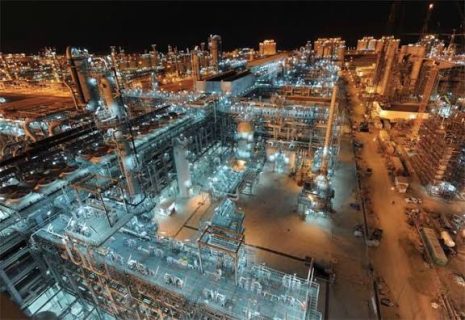
QatarEnergy’s downstream expansion at Ras Laffan also includes major petrochemical investments. The company previously commenced construction of the $6 billion Ras Laffan Petrochemical Complex, a development featuring an ethane cracker with an annual ethylene production capacity of 2.1 million tonnes. The complex also includes two polyethylene production trains with combined annual capacity of 1.7 million tonnes. QatarEnergy owns 70% of the project, while Chevron Phillips Chemical holds the remaining 30%. The new gasoline plant will further expand the industrial city’s downstream production infrastructure, complementing its growing petrochemical manufacturing capacity.

Leave a Reply