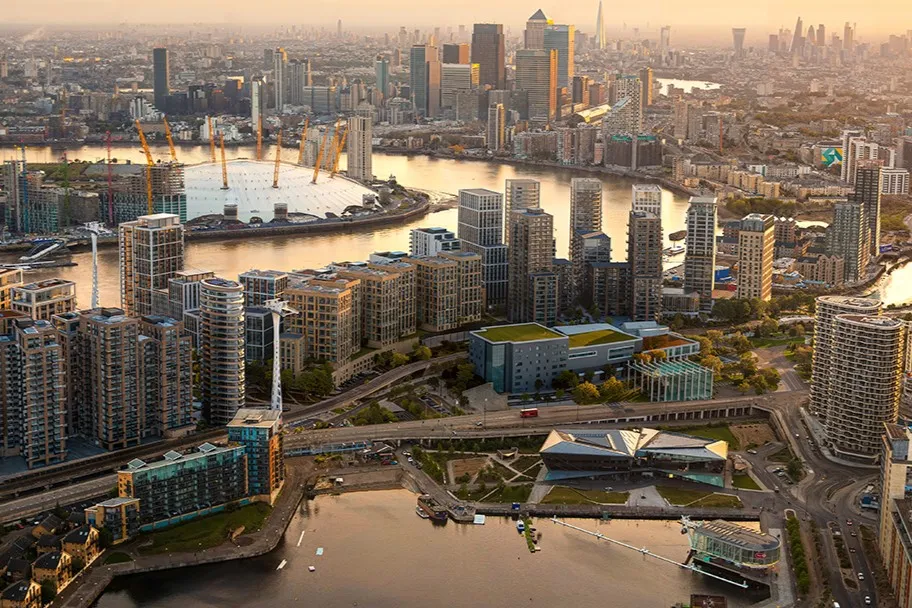
The Royal Docks regeneration initiative has achieved a monumental milestone following a £2.7 billion development agreement secured by Silvertown Homes.
This landmark accord unites publicly and privately owned land packages to unlock one of the capital’s largest remaining waterfront zones.
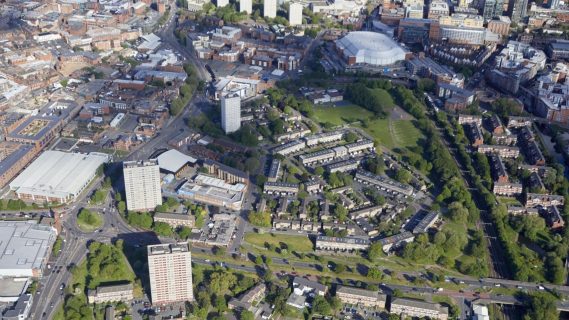
Public sector leaders continue to drive large-scale urban revitalization across urban centers, mirroring the policy challenges and investment scale seen in regional housing efforts such as the Ladywood Estate Regeneration $2.5B Birmingham Scheme Collapses.
Greater London Authority officials confirmed that the masterplan will deliver thousands of sustainable homes alongside commercial workspaces. Meanwhile, project stakeholders emphasize that combining strategic land parcels will accelerate long-awaited community infrastructure delivery.
Construction planning teams are finalizing preliminary site layouts to fast-track early-phase civil engineering works across the 60-acre waterfront area.
London authorities note that integrating public transport connections with new residential neighborhoods remains central to the regeneration framework. Furthermore, local employment generation and low-carbon building standards will be prioritized throughout the multi-year construction lifecycle.
Strategic Scope of the Royal Docks Regeneration
The multi-billion-pound investment focuses on transforming post-industrial docklands into a vibrant, mixed-use community equipped with modern civic amenities.
Planners have structured the masterplan to incorporate extensive green public spaces, retail hubs, and sustainable energy networks.
- Residential Density and Affordability: The scheme targets the delivery of approximately 5,000 new homes, integrating a significant proportion of affordable housing options for local residents.
- Commercial and Creative Spaces: Waterfront commercial zones will provide flexible offices, creative workspaces, and community facilities designed to attract growing enterprises.
- Sustainable Infrastructure: Integrated low-carbon heating systems and enhanced pedestrian pathways will link the precinct directly to existing transit hubs.
Civic leaders point out that collaborative public-private frameworks are essential for mitigating delivery risks on complex urban sites. Community consultation remains embedded in the design codes to ensure local residents directly benefit from the transformation.
Delivery Timelines and Economic Impact for Royal Docks Regeneration
Project management teams are establishing rigorous staging schedules to govern infrastructure deployment and housing construction over the coming decade.
Regional development agencies anticipate that the massive capital injection will stimulate local supply chains and create thousands of construction jobs.
- Land Assembly and Legal Finalization: Authorities and developers complete leasehold arrangements and clear remaining title hurdles across the consolidated zones.
- Infrastructure Mobilization: Civil contractors deploy heavy equipment to install foundational utilities, roadways, and public realm improvements.
- Phased Vertical Construction: Residential and commercial towers rise sequentially across designated character areas, with initial completions targeted for upcoming milestones.
This extensive waterfront transformation underscores London’s ongoing commitment to sustainable urban growth and housing delivery. Successful execution will establish a new benchmark for brownfield regeneration across the United Kingdom.
Project Fact Sheet
Name: Royal Docks Regeneration (Silvertown Masterplan Phase).
Type: Mixed-Use Waterfront Regeneration, Residential Housing, and Commercial Precinct Development.
Location: Royal Docks, Newham, East London, United Kingdom.
Total investment: £2.7 Billion GBP.
Developer / Parent Company: Silvertown Homes in partnership with the Greater London Authority (GLA).
Status: Development Agreement Secured (November 2026); Masterplan Implementation Underway.
Construction employment: Projected to support thousands of direct civil engineering, building trades, and specialist project management jobs.
Permanent employment: Ongoing property management, commercial retail, hospitality, and civic operations roles upon completion.
Timelines and production targets: Agreement sealed in November 2026; phased construction rolling out over a multi-year masterplan horizon to deliver 5,000 homes.
Technology integration: Low-carbon ectogrid heating networks, smart building management systems, and advanced sustainable drainage solutions.
Raw material supply: Structural steel, sustainable mass timber, precast concrete modules, and high-performance architectural glazing.
Economic impact: Unlocks prime capital waterfront land, boosts local municipal tax bases, and delivers thousands of desperately needed London homes.
Key infrastructure needs: Waterfront boardwalks, utility substations, internal access roads, public plazas, and pedestrian bridge connections.
Delivery risks: Complex brownfield remediation, macroeconomic inflation pressures, and supply chain volatility for specialized building materials.
Primary target markets: London Homebuyers, Social Housing Providers, Tech and Creative Enterprises, and Commercial Retail Tenants.
Project Team
Lead Public Landowner & Authority: Greater London Authority (GLA) / GLA Land & Property (GLAP)
Primary Regeneration Partner: Silvertown Homes
Chief Officer of the GLA: Mary Harpley
Executive Director of Good Growth, GLA: Philip Graham
Royal Docks Programme Director, GLA: Dan Bridge
Head of Regeneration and Growth Strategies, GLA: Louise Duggan
Local Authority Partner: London Borough of Newham (Mayor Rokhsana Fiaz OBE)


Leave a Reply