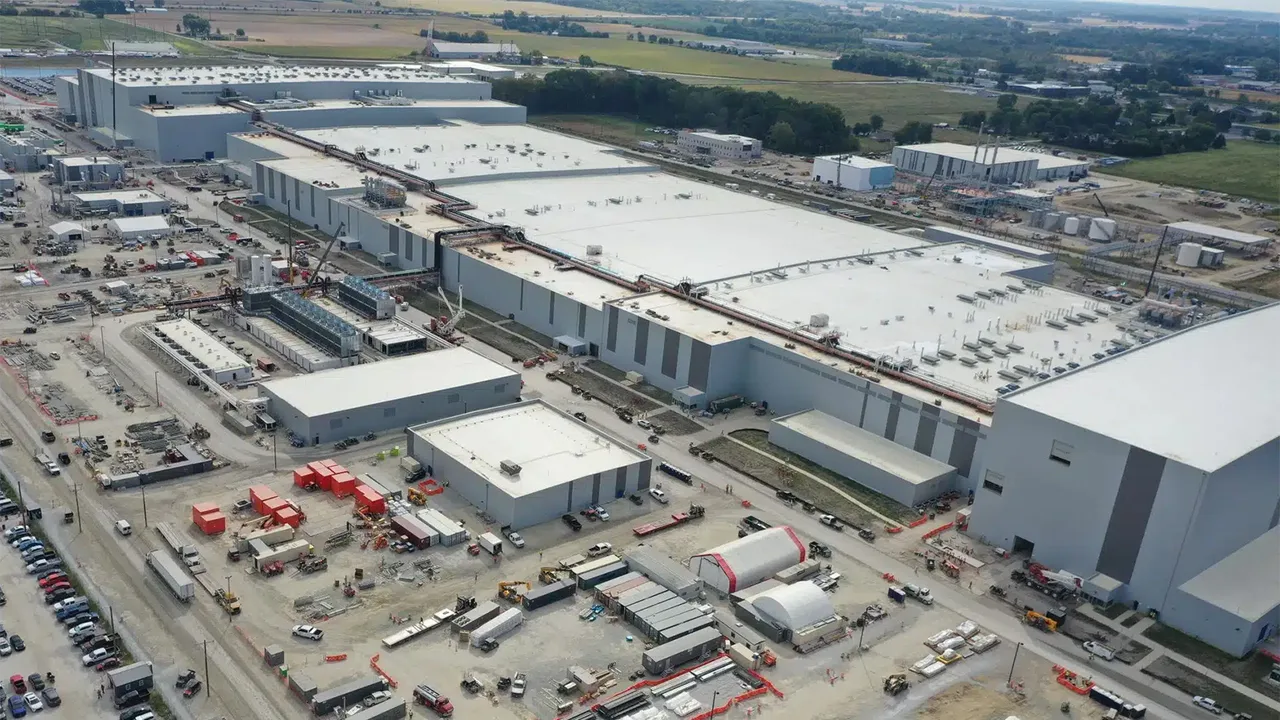
Samsung SDI has started mass production of LFP batteries at its $6.3 billion StarPlus Energy plant in Kokomo, Indiana. The company started prismatic LFP cell output in October. The step is part of a two-track approach for both LFP and NCA chemistries. The Indiana location is now Samsung SDI’s “ESS battery production hub.
The transfer is a solid quarter closer. In the third quarter of 2026, Samsung SDI reported its best operating profit for the quarter in three years. Revenue increased 52.6 percent from the previous year. After posting an operating loss last year, operating profit stood at KRW 407.8 billion, or $304 million. The battery division alone accounted for KRW 4.41 trillion in revenue, which rose by 55.3 percent, and an operating profit of KRW 361.9 billion.
Other Projects.
Another major energy project is taking place in Texas. Waaree Solar Americas has started commercial production on two new 800 MW solar module manufacturing lines at its Brookshire facility in Texas, USA. The expansion doubles the plant’s annual manufacturing capacity to 3.2 GW. Production on the new lines began on October 29, 2026. The development strengthens Waaree’s domestic manufacturing footprint as the company targets growing demand from US solar developers, utilities and engineering, procurement and construction (EPC) contractors.
Scope of implementation on the Samsung SDI StarPlus Energy Plant
The Kokomo complex houses two StarPlus Energy gigafactories, built with Stellantis under their battery joint venture. They have a combined investment of more than $6.3 billion and a combined capacity of 67 gigawatt hours. The first plant, which has a capacity of 33 GWh, was opened in early 2025. Stellantis schedules the second, at 34 GWh, to start production in early 2027. It will employ 1,400 more workers.
The pivot was driven by demand. The factories that produce mobility cells are no longer profitable in the United States, where EV sales have been sluggish. Samsung SDI and LG Energy Solutions have thus moved their lines towards LFP for stationary storage. LG made a similar move at its joint venture with Stellantis in Canada. Samsung will speed up the conversion of EVs to LFP in the fourth quarter.
The company has also ensured its supply chain. Next, supply chains. To avoid Chinese import tariffs and meet Foreign Entity of Concern rules, Samsung SDI said it has “signed long-term supply agreements for LFP cathode materials with major Korean materials companies.” The objective is to meet U.S. demand “independent of China.
Orders back the strategy. Samsung SDI has received over 60 GWh of orders for energy storage in the United States in 2026. The tally includes a 1 GWh agreement with Alpha Omega Power for its NCA-based Samsung Battery Box 1.7. It also includes a US cell supply deal with inverter manufacturer Sungrow.
Outlook for the Samsung SDI business
Today, data centers are driving the growth narrative. The turnaround was driven by orders for utility-scale ESS and battery backup units for AI facilities. Samsung SDI has also launched cylindrical LFP cells for data center BBUs.
Furthermore, the company is pursuing additional deals. It is looking to finalize more long-term ESS and UPS deals before the end of the year. It is also bidding in South Korea’s third government-led ESS procurement round.
The pieces therefore fit together. The cells come from Kokomo, the cathode chain is provided by Korean suppliers, and the output is taken by grid plus data center customers. Now Samsung SDI has to prove that the hub can operate at scale with the continued softness of EV demand. Despite this, it has a head start with the order book and the profit swing.
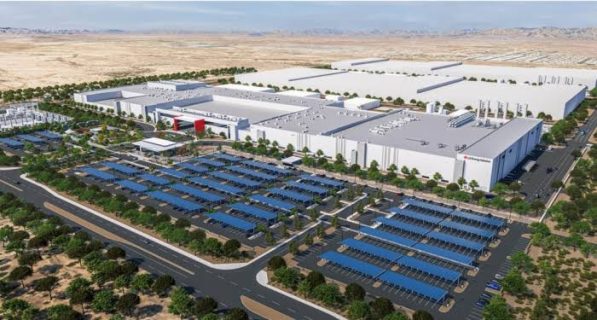
Project Overview
- Project Value: $6.3 billion combined investment
- Location: Kokomo, Indiana
- Operator: StarPlus Energy (Samsung SDI, Stellantis)
- Status: LFP mass production under way
Scope
- Two gigafactories in Kokomo
- Combined capacity 67 GWh
- First plant 33 GWh
- Second plant 34 GWh
Project Highlights
- Highest quarterly profit in three years
- Revenue up 52.6 percent year-on-year
- More than 60 GWh of US orders
- Designated ESS battery production hub
Key Developments
- LFP production started in October
- Alpha Omega Power signed 1 GWh deal
- Sungrow arrangement for US cells
- Korean cathode supply agreements signed
Key Challenges
- Slow US electric vehicle demand
- Chinese import tariffs and FEOC rules
- Second plant starts only 2027
- Rivals convert lines to LFP
Outlook
- More EV-to-LFP conversions in Q4
- Additional ESS and UPS contracts pending
- Korean procurement round bid lodged
- Data center BBU demand growing



Leave a Reply