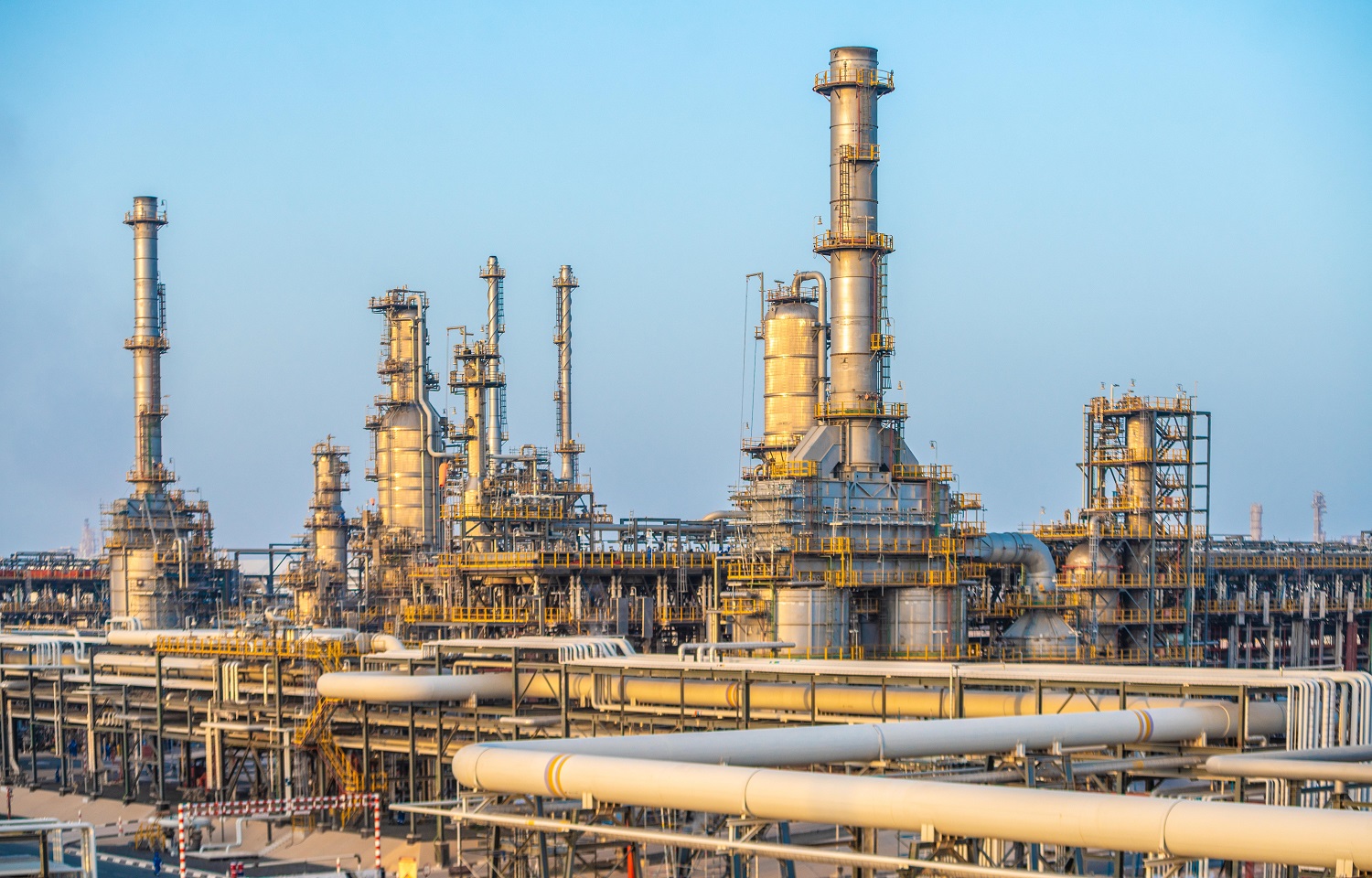
State officials have initiated high-level investment negotiations to construct a modern $8 billion Syria Oil Refinery Project to revitalize national fuel processing capacity.
Government leaders opened discussions with international engineering firms and regional financial institutions to build a world-scale downstream hydrocarbon complex.
This major industrial initiative follows extensive infrastructure recovery efforts across the country, building on humanitarian and community developments such as Qatar’s football stadium in Northern Syria officially complete, which demonstrated the ongoing delivery of civil infrastructure projects in rebuilding regions.
Executive teams from the Syrian Ministry of Energy are leading the investment framework alongside state oil operators to secure international build-operate-transfer (BOT) partners. The proposed $6 billion to $8 billion facility will replace aging refining units and dramatically expand domestic liquid fuel output.
Project planners structured the refining complex to process both domestic crude oil and imported feedstocks. Modern refining units will produce high-grade gasoline, diesel, aviation fuel, and petrochemical feedstocks for local power generation and industrial consumption.
Engineering Scope and Technology for Syria Oil Refinery Project
Engineers designed the downstream facility to incorporate modern hydrocracking and desulfurization processing trains.
Technical teams will install advanced environmental control systems to reduce operational emissions while maximizing liquid fuel yields.
- High-Yield Processing Units: The refinery design integrates fluid catalytic cracking and hydrotreating units to maximize high-value light distillates.
- Storage and Logistics Infrastructure: Construction teams will erect extensive crude oil tank farms, product storage units, and heavy pipeline interconnections.
- Power and Utility Integration: Specialized contractors will construct a dedicated captive power plant, water desalination units, and industrial wastewater treatment facilities.
Civil engineering firms will execute extensive site prep, heavy foundation casting, and structural steel erection across designated industrial corridors. Procurement managers are structuring long-lead equipment packages for heavy reactor vessels, heat exchangers, and high-pressure piping circuits.
Economic Significance and Execution Plan for Syria Oil Refinery Project
Energy sector analysts emphasize that establishing domestic refining capacity remains vital for long-term economic recovery. Processing crude domestically reduces reliance on costly refined fuel imports while restoring energy grid stability.
- Consortium Finalization: Ministry officials advance negotiations with international contractors under build-operate-transfer agreements.
- EPC Procurement: Contracting teams select main engineering, procurement, and construction partners to manage civil and mechanical execution.
- Phased Construction: Site teams execute bulk earthworks, foundation works, and process module assembly over a multi-year buildout.
The multi-billion-dollar construction project will generate over 8,000 specialized civil engineering, mechanical, and electrical jobs during peak delivery. Permanent operations will create more than 1,200 technical engineering, laboratory analytics, and facility management positions.
Expanding national fuel refining capacity supports transport networks, agricultural output, and industrial manufacturing. Restoring hydrocarbon infrastructure positions Syria to meet growing domestic energy demand while building strategic fuel reserves.
Project Fact Sheet
Name: Syria New Downstream Oil Refinery Development (Syria Greenfields Refinery Initiative).
Type: World-Scale Crude Oil Refining & Petrochemical Processing Infrastructure.
Location: Central Industrial District (Homs / Mediterranean Coast Corridor), Syria.
Total investment: $6.0 Billion to $8.0 Billion USD Capital Expenditure Estimate.
Developer / Parent Company: Syrian Ministry of Energy & Syrian Petroleum Company (SPC).
Status: Direct Negotiation Phase & International Build-Operate-Transfer (BOT) Tendering.
Construction employment: Estimated 8,000+ direct civil, mechanical, piping, and electrical construction workers during peak buildout.
Permanent employment: Supports over 1,200 permanent plant maintenance, operations, chemical engineering, and safety management roles.
Timelines and production targets: Negotiations active in November 2026; target phased buildout over 48 to 60 months; planned capacity of 150,000 to 200,000 barrels per day.
Technology integration: Automated SCADA Plant Controls, High-Efficiency Hydrocracking, Continuous Catalyst Regeneration (CCR), Flare Gas Recovery Systems.
Raw material supply: Heavy crude oil supplied via regional pipelines and coastal marine import terminals.
Economic impact: Cuts refined fuel import bills, boosts domestic energy supply, and drives heavy industrial reconstruction jobs.
Key infrastructure needs: Crude Distillation Units (CDU), Vacuum Distillation Units (VDU), Hydrotreaters, Captive Power Plant, Crude Storage Tanks, Marine Loading Terminals.
Delivery risks: Complex international project financing, long-lead equipment procurement cycles, regional logistics coordination.
Primary target markets: Syria Domestic Power & Transport Sector, Regional Commercial End-Users.
Project Team
Project Owner & Supervisory Body: Syrian Ministry of Energy
State Operating Entity: Syrian Petroleum Company (SPC)
Lead Regulatory Authorities: Ministry of Energy & General Petroleum Corporation (GPC)
Project Financiers / BOT Consortium: International Energy EPCs & Regional Investment Funds



Leave a Reply