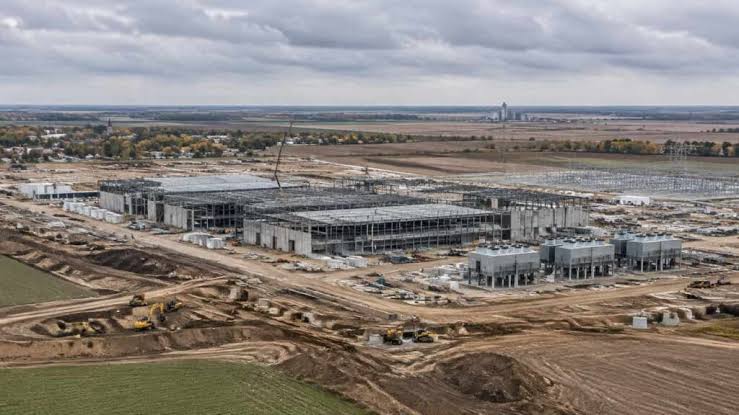
The proposed $18bn Grayslake data center is generating a lot of controversy in the Chicago suburbs. In particular, T5 Data Centers will construct the second largest data center in Illinois. This is a huge technological campus that will eventually be used by high-powered generative AI companies in the region. But a local opposition group recently filed a lawsuit against the village to halt construction altogether. Residents strongly claim officials deliberately hid the massive project during public town meetings.
In response, Mayor Elizabeth Davies dismissed these claims, pointing to eighteen open public hearings. In addition, T5 CEO Peter Marin strongly defended the megaproject in an exclusive interview. Finally, he claims that the company reached citizens directly via pamphlets and meetings. Another campus that is making headway despite setbacks is the Canoe Creek data center project in Illinois.
The 2,200-acre Canoe Creek Road data center project is a serious topic for discussion as developers seek to expand massively in rural areas. The massive site is prominently located in Osceola County and has been heavily marketed by real estate giant CBRE.
As a result, the local population is concerned that this aggressive hyperscale development will permanently remove the rich agricultural heritage of the region. In particular, conservationists are concerned about the destruction of valuable local wildlife habitats and sensitive water reserves.
Outlook on the Proposed Grayslake Data Center
Opponents continue to be very concerned about the environmental and utility effects of the large facility. The huge campus will use up to 1.2 gigawatts of power on a continuous basis once it is completed. This massive energy consumption is comparable to the energy use of a city of one million people. Coalition members are very concerned that these extreme power demands will put a strain on the local grid. But Marin said T5 has a totally different rate agreement with ComEd. He assured residents that the company pays directly for all the power it consumes. In addition, the facility has an advanced closed-loop cooling system, which significantly reduces the amount of water used locally. Nevertheless, local citizens still believe their personal utility bills will skyrocket inevitably.
State Legislation and Future Outlook
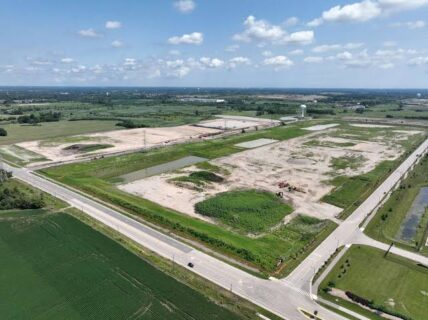
The legal dispute over this huge tech infrastructure will officially go to court this November. Preliminary site evaluations have already begun quietly on the massive 160-acre site. As a result, Illinois Governor JB Pritzker called on the legislature to swiftly approve the “POWER Act. This particular bill would create new, statewide restrictions on data center utility consumption. Marin says Illinois should embrace these plants because the state has huge power surpluses. Moreover, he cautioned that the refusal of data centers would drive these essential tech hubs elsewhere. “Data centers are in every part of your life,” Marin emphasized to local reporters. In the end, officials estimate that the campus will produce $1.4 billion in tax revenue over 20 years.
Project Overview
- Project Value: Estimated $8.5 Billion to $18 Billion
- Location: Grayslake, Illinois
- Developer: T5 Data Centers
- Status: Preliminary evaluation; pending litigation
Scope
- Multi-building data center campus
- Designed for generative AI
- Advanced closed-loop cooling
- 1.2-gigawatt total power capacity
Project Highlights
- Second largest Illinois data center
- Generates $1.4B in tax revenue
- Dedicated ComEd rate agreement
- Faces heavy local opposition
Key Developments
- Opposition coalition filed a lawsuit
- CEO publicly defended project transparency
- Court hearings scheduled for November
- Governor proposed the “POWER Act”
Key Challenges
- Overcoming community electrical grid fears
- Managing local transparency lawsuits
- Meeting massive 1.2-gigawatt power requirements
- Navigating potential new state restrictions
Outlook
- Court arguments occur this November
- Preliminary site work continues
- Legislature may vote on utility limits
- Campus promises massive economic benefits



Leave a Reply