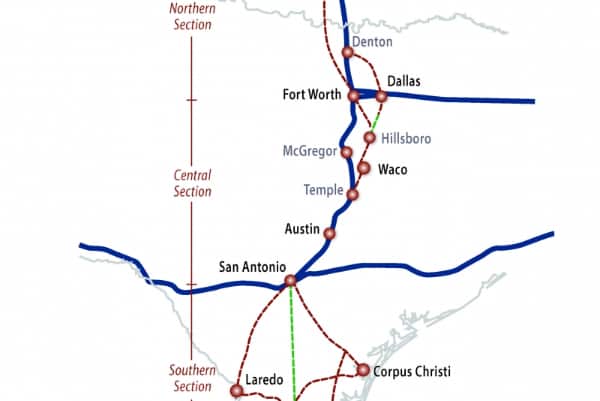
A Texas high-speed rail bill with a $30 billion price tag has officially moved into the next legislative session. The range of verified cost estimates is from $13.5 billion to more than $30 billion. Last week, State Rep. John Bucy introduced a bill that would require TxDOT to work with a private firm. In addition, the line would follow the I-35 corridor. The Dallas-Houston Texas Central project, meanwhile, has its own cost wall. Amtrak’s development chief has revised his estimates to more than $30 billion in 2024, from a previous $12 billion.
Bucy’s bill would have TxDOT signed a contract with a private firm. That partner would construct and maintain the service. In addition, trains would have to be capable of at least 110 mph and would stop in Dallas, Waco, Austin and San Antonio. The proposal is a resurgence of a concept that has been discussed by lawmakers numerous times, but never a track has been laid.
Other Projects
In other related news, Columbia River Contractors is the only bidder for the $14.4 billion Interstate 5 Bridge replacement in Oregon. The joint venture was the only company to respond to the program’s request for qualifications, The Columbian reported on Nov. 16. In addition, the company brings together Kiewit Infrastructure West of Vancouver, Guy F. Atkinson Construction of Renton and Traylor Bros. Inc. of Evansville, Indiana.
Scope of the Texas high-speed rail proposals
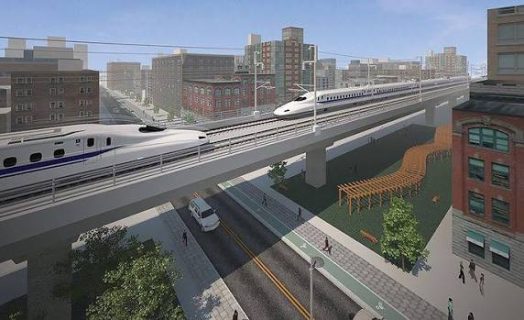
The landscape is now defined by two costed schemes. One corridor line was identified as viable in a study commissioned by Travis County. The cost of connecting Austin and San Antonio would be approximately $13.5 billion. That corridor alone is worth a double-digit billion dollars before any Dallas or Waco extension. The Texas Central Dallas-Houston scheme has also been in development for over 10 years using the N700-I bullet train technology from Japan. Amtrak’s development chief Andy Byford estimated construction costs of more than $30 billion.
Both are affected by funding history. In 2023, however, the federal government gave Amtrak almost $64 million to plan a project in Texas. Two years later, Transportation Secretary Sean Duffy ended the grant. Duffy said the project was “a waste of taxpayer money and a distraction from Amtrak’s mission. In addition, a state law from 2017 prohibits Texas Central from receiving state funding, and the company has only about 30 percent of the land it requires for its line.
Outlook for the Bucy bill
The bill has a long road ahead. Bucy introduced a bill almost identical to this one last year, which died in committee. Thus, the new version needs to pass committee and both houses. It then goes to Gov.-elect Gina Hinojosa before it goes into effect as soon as Sept. 1, 2027.
Advocates keep pressing the case meanwhile. “Our roads are full, our cities are growing, and we need more options,” Bucy wrote in a post on X after filing his previous high-speed rail bill. In the end, it’s all about the money. Any I-35 corridor deal is based on the $13.5 billion Austin-San Antonio study and the Dallas-Houston estimate of $30 billion-plus.
Project Overview: Texas high-speed rail
- I-35 Corridor Value: Not yet costed
- Austin-San Antonio Study: $13.5 billion
- Dallas-Houston Scheme: $30 billion-plus estimate
- Sponsor: State Rep. John Bucy, Austin Democrat
- Agency: Texas Department of Transportation
Scope
- I-35 corridor high-speed service
- Stops: Dallas, Waco, Austin, San Antonio
- Minimum speed: 110 mph
- Private company builds and maintains
Project Highlights
- Travis County study costed $13.5 billion
- Texas Central holds $30 billion estimate
- Japanese N700-I technology referenced
- 90-minute Dallas-Houston journey
Key Developments
- Bucy filed bill last week
- Federal $64 million grant terminated
- Duffy called project a waste
- Texas Central land 30 percent secured
Key Challenges
- Previous bill died in committee
- State law blocks Texas Central funds
- Funding package unresolved
- Land acquisition remains partial
Outlook
- Bill heads to committee first
- Effect date: Sept. 1, 2027
- Gov.-elect Hinojosa signs or not
- Costs frame every negotiation

Leave a Reply