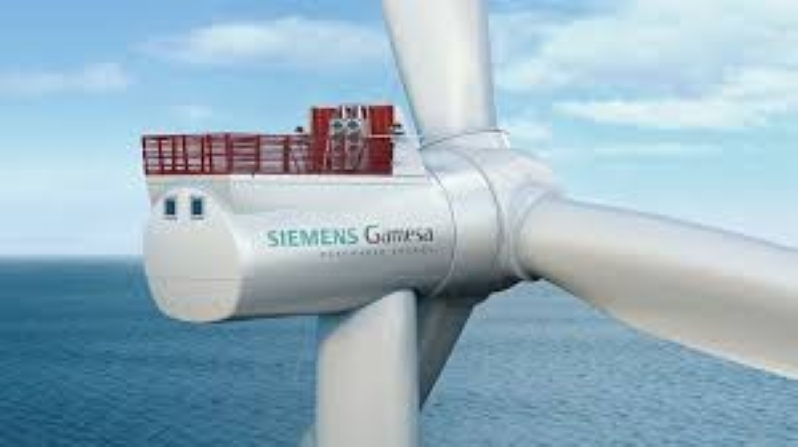
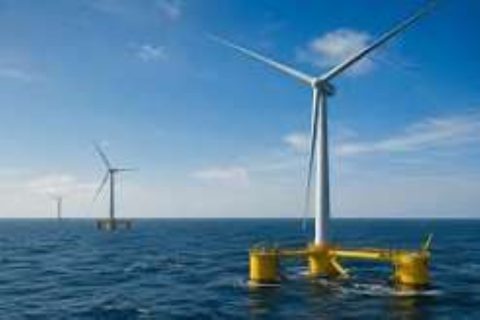
RWE has marked a major milestone on its 1.1 gigawatt Thor offshore wind project by successfully installing the first wind turbine at what will become the largest offshore wind farm in Denmark – located in the North Sea off the west coast of Jutland. Installation of the first offshore wind turbine at Thor was carried out by the Fred.Olsen Windcarrier‘s vessel Brave Tern from the Port of Esbjerg. The installation milestone also sets stage for full turbine deployment later this year en route to a 2027 commissioning.
The initial turbine forms part of a 72-turbine array of Siemens Gamesa SG 14-236 DD units, each with a capacity of up to 15 MW. Once completed, Thor will generate enough renewable electricity to power the equivalent of more than one million Danish households. Thor is also expected to underpin both Denmark’s climate targets and broader EU energy independence goals.
Why is Thor offshore wind farm project in Denmark important?
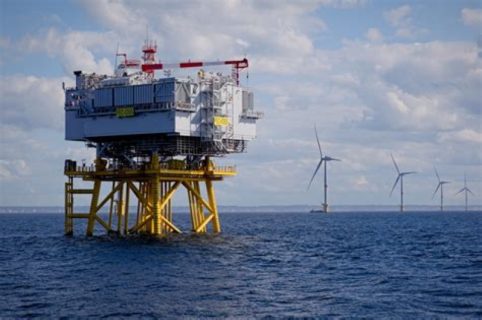
The Thor project, named after the Norse god of thunder, has been under construction since onshore cabling work began in 2024 and offshore works began with foundation installation in 2025. All 72 monopile foundations were completed last September, with the offshore substation also installed prior to turbine works. Thor is also pioneering several sustainability features including 36 CO2-reduced steel towers manufactured for lower emissions and recyclable rotor blades on select turbines. These the developer notes, are part of its lifecycle decarbonization commitment.
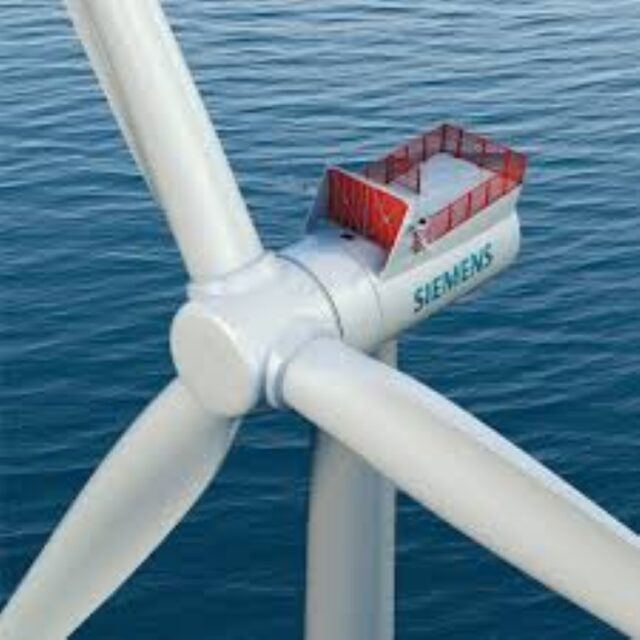
Installation is proceeding on schedule. The Brave Tern installation vessel, capable of lifting three turbine sets per cycle, is deploying the first units this spring, with full array completion expected by late 2026. Additionally, Thor offshore wind project received a 30-year electricity production license from the Danish Energy Agency in early 2026, clearing regulatory hurdles and enabling commissioning activities to proceed.
When fully operational in 2027, Thor is expected to play an important role in Denmark’s offshore wind landscape. This will be through feeding clean power into the Nordic grid and reinforcing Europe’s offshore wind infrastructure as the continent continues to scale renewable capacity.
Who is building Thor offshore wind farm project?
RWE Offshore Wind GmbH as lead developer and majority owner with 51% stake
- RWE is responsible for overall development, construction and long-term operations of the Thor offshore wind farm.
Norges Bank Investment Management as minority investor with 49% stake
- Norges provides co-capital investment and long-term partnership for project funding and returns.
Siemens Gamesa Renewable Energy as turbine supplier
- Siemens is supplying 72 units of SG 14-236 DD offshore wind turbines. This is also alongside associated service contracts.
Fred.Olsen Windcarrier A/S as turbine installation contractor
- Operates the turbine installation vessel Brave Tern for offshore turbine placement.
Van Oord/MPI Adventure as secondary steel and subsea contractor
- Installed secondary steel structures and assisted foundation works with its MPI Adventure vessel
Port of Esbjerg and Port of Thyborøn as offshore logistics & construction bases
- Serve as staging and installation hubs for offshore works and future service operations.
Danish Energy Agency as the regulatory authority
- Issued the 30-year electricity production license and oversees national offshore permitting.
Financing at RWE’s 1.1 GW Thor offshore wind project
The 1.1 GW Thor offshore wind farm is structured as a joint venture between RWE Offshore Wind (51%) and Norges Bank Investment Management (49%), with project financing combining equity from both partners and project-level debt sourced from a consortium of lenders.
While detailed capital figures have not been publicly disclosed for turbine installation works, the total project cost is understood to be significant, given the scale of infrastructure, seabed works and advanced turbine technology involved.
Additionally, revenue will be generated through the sale of power into Denmark’s wholesale electricity market and potentially via participation in Europe’s ancillary services and renewable certificate markets. Long-term operations and maintenance contracts, including turbine servicing by Siemens Gamesa, also support revenue certainty and project performance over its licensed 30-year life.
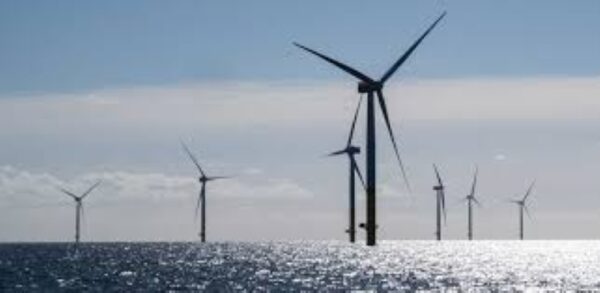
The addition of recyclable turbine components and lower-carbon steel towers is also expected to mitigate lifecycle environmental costs. The latter is increasingly being seen as a valued attribute in capital markets and green financing instruments supporting renewable infrastructure.

Leave a Reply