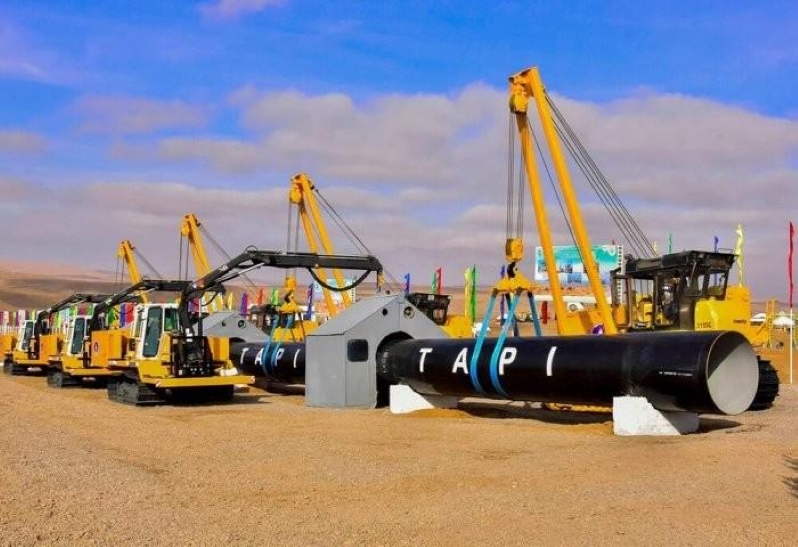
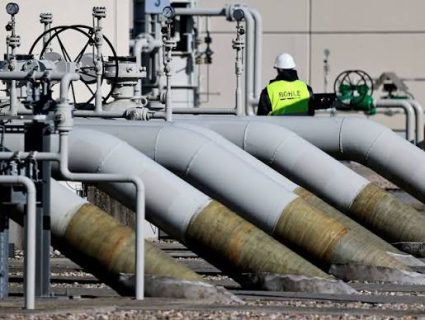
Turkmenistan is advancing construction of a key section of the Turkmenistan–Afghanistan–Pakistan–India (TAPI) Gas Pipeline Project, bringing its long-planned ambition of exporting natural gas to South Asia a step closer to reality.
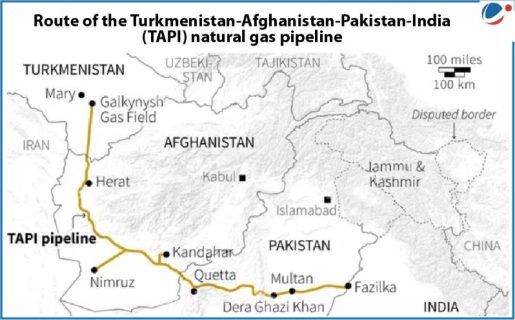
The country expects to complete the 153-kilometer Serhetabat–Herat pipeline section by the end of 2026, with initial natural gas deliveries to Afghanistan’s western city of Herat targeted for early 2027. The development represents an important milestone for the wider cross-border infrastructure project, which has faced years of delays arising from financing difficulties, regional political tensions and security concerns.
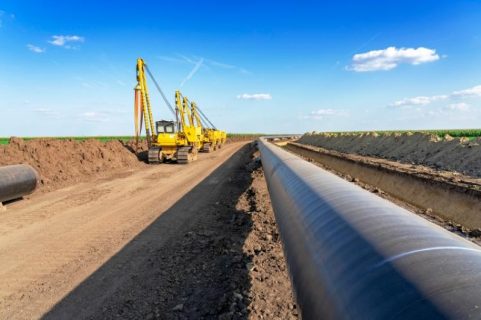
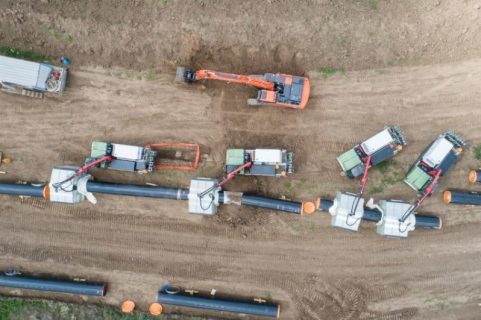
According to Turkmenistan, approximately 124 kilometers of the Afghan section have already been welded and laid. The remaining construction activities include completing pipeline installation and backfilling, constructing access crossings, and establishing a gas metering station.
The project is estimated to cost approximately $600 million for this section, according to Afghan media reports.
TAPI gas pipeline project targets 33 billion cubic meters of annual capacity
The Serhetabat–Herat section forms part of the wider TAPI pipeline, a proposed 1,800-kilometer natural gas transportation network designed to connect Turkmenistan’s substantial gas reserves with energy markets in Afghanistan, Pakistan and India.
The pipeline is planned to transport approximately 33 billion cubic meters (bcm) of natural gas annually. This would make it a significant regional energy infrastructure development, particularly for Pakistan and India, which collectively import approximately 45-50 bcm of natural gas annually.
Under the initial arrangement, Afghanistan is expected to purchase approximately 500 million cubic meters of natural gas annually. Deliveries to Herat would therefore provide an initial commercial market while the participating countries work towards extending the pipeline infrastructure farther into South Asia.
For Turkmenistan, the project also offers an opportunity to diversify its natural gas export destinations. The country holds some of the world’s largest natural gas reserves but remains heavily dependent on China as its principal export market.
The development of alternative export corridors would consequently reduce its reliance on a single major buyer while expanding access to potentially lucrative South Asian markets.
Turkmenistan seeks international financing for wider TAPI gas pipeline project
Financing remains one of the biggest challenges facing the TAPI project. The wider pipeline has an estimated development cost of approximately $10 billion, with Turkmenistan having so far provided much of the funding for the infrastructure developed to date.
The completion and initial operation of the Afghan section are expected to demonstrate progress and potentially improve the project’s attractiveness to international lenders and investors.
Muhammetmyrat Amanov, head of the Turkmen state company responsible for the pipeline, has indicated that the Herat section could generate early revenue streams and strengthen confidence among potential financiers.
Potential financing institutions include the Asian Development Bank (ADB) and the Islamic Development Bank (IsDB).
However, securing funding is not guaranteed. The ADB has indicated that any potential technical assistance or financing would depend on prevailing circumstances, due diligence requirements and its applicable approval processes. Its regular assistance to Afghanistan was paused following the Taliban’s return to power in 2021.
The lack of international recognition of Afghanistan’s Taliban administration also presents challenges for international financing and commercial agreements.
Security and regional politics remain major construction challenges
Beyond financing, the proposed pipeline faces substantial geopolitical and security challenges, particularly along its route through Afghanistan and Pakistan.
Although security conditions in much of Afghanistan have improved since the Taliban returned to power in 2021, the wider project still depends on sustained political cooperation between the participating countries.
Relations between Pakistan and Afghanistan have also experienced renewed tensions, while Pakistan’s longstanding rivalry with India creates additional uncertainty around the pipeline’s eventual extension and operation.
The proposed route through Pakistan’s Balochistan province presents another significant challenge because of the ongoing separatist insurgency in the region.
Pakistan has nevertheless reiterated its interest in the project. Its government has also expressed interest in a complementary proposal. This will involve the transportation of Turkmen gas to Pakistan’s ports of Gwadar and Karachi for potential export as liquefied natural gas (LNG). This is as other countries such as India continues to build their energy portfolio with projects such as the North East Gas Grid (NEGG) project.
What next for the TAPI Gas Pipeline Project?
The immediate priority is completing the Serhetabat–Herat section and preparing the associated gas measurement and commercial arrangements before the anticipated start of deliveries in 2027.
The bigger challenge will be securing financing and advancing the remaining infrastructure towards Pakistan and India.
Turkmenistan’s willingness to continue investing in the pipeline reflects its strategic interest in reducing dependence on Chinese gas purchases. However, the project’s commercial viability will ultimately depend on whether the participating countries can establish sufficiently secure, politically sustainable and financially attractive arrangements.
If successfully completed, TAPI would create a major overland natural gas export corridor linking Central Asia with South Asia, while providing Afghanistan with transit revenues, infrastructure investment and access to natural gas supplies.
For now, the completion of the Afghan section represents a tangible step forward for a project whose wider ambitions remain considerably more difficult to achieve.

Leave a Reply