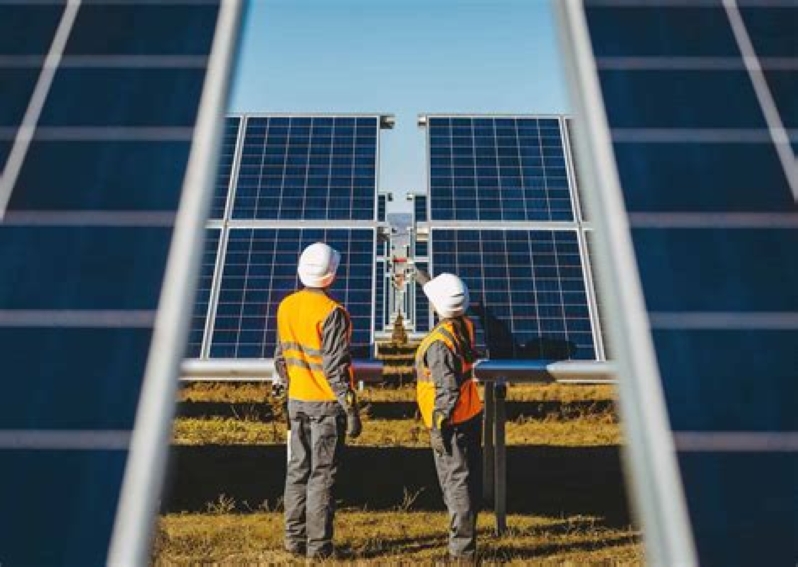
Western Australia has unveiled an ambitious plan to increase renewable energy generation to 75% by 2030-2031, setting the stage for increased investment in wind farms, solar power, battery energy storage systems and electricity transmission infrastructure.
The target is intended to nearly double the share of renewable electricity supplied to the South West Interconnected System (SWIS), the state’s main electricity grid. It is currently at about 40%. The initiative also comes amid warnings that electricity prices paid by Western Australian businesses could rise by as much as 89% by 2032 without a substantial expansion of renewable energy generation, according to the state government.
The policy is expected to encourage private investment in large-scale renewable energy projects. It will also support the state’s transition away from coal-fired electricity generation.
Western Australia has also committed to closing its state-owned coal-fired power stations by the end of the decade. This increases the need for replacement generation capacity and energy storage.
Wind, solar and battery storage to drive Western Australia renewable energy expansion
WA government‘s plan relies on a combination of wind and solar generation. This will be supported by battery storage and gas-fired power plants to maintain electricity supply when renewable output fluctuates.
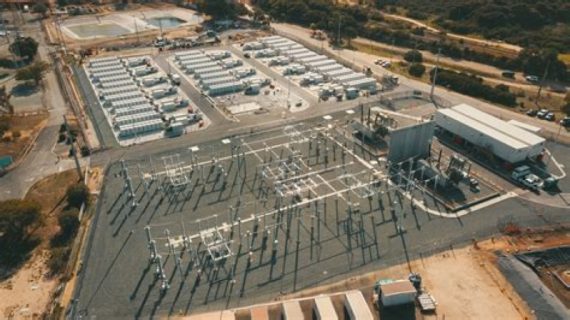
The expansion will also require substantial investment in utility-scale generation projects, grid-scale batteries and transmission networks. The latter will need to have the capacity to connect new renewable energy developments to electricity demand centers. Battery storage will also be particularly important for storing surplus solar and wind power and releasing electricity when generation declines or demand increases.
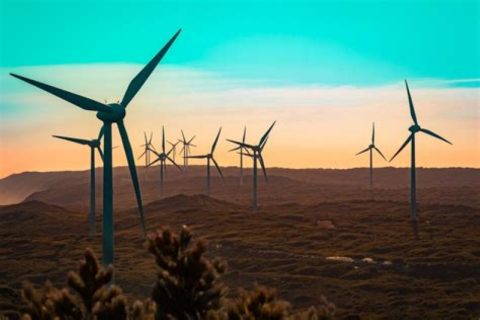
Western Australia has already attracted investment in large-scale wind energy projects. Some of these include the 470 MW Parron Maam Marang wind project and the proposed 550 MW Marri wind project north of Perth. These developments are a show of the scale of generation capacity that could support the state’s renewable energy ambitions.
The government is also introducing financial support for industrial energy upgrades through the Made in WA Energy Affordability Investment Program. The initiative will offer local manufacturers low-interest loans of up to A$15 million to install solar and battery systems. The program will also cover equipment upgrades to improve energy efficiency and reduce exposure to electricity price fluctuations.
Proposed 870 MW gas-fired power station adds to infrastructure debate
WA’s renewable energy plan coincides with environmental assessment activity for the proposed Keralup Energy Hub, a privately developed 870 MW gas-fired power project planned 75 kilometers south of Perth.
Developed by APA Group, the proposed facility would comprise two components. It will house a 210 MW installation intended to supply a proposed biofertilizer production facility and a 660 MW power station designed eventually to connect to the SWIS grid. If delivered at its proposed capacity, the grid-connected component would represent a substantial addition to Western Australia’s dispatchable electricity generation infrastructure.
The project is larger than the existing 576 MW Pinjar gas-fired power station. The Pinjar station is currently the Western Australia’s largest gas-fired station. The Keralup Energy Hub proposal remains subject to the relevant assessment and approval processes.
Furthermore, its development highlights the challenge facing Western Australia as it seeks to expand renewable generation. In the face of all this, the state also needs to maintain electricity reliability and manage energy costs. Although gas is expected to support the state’s renewable energy mix, the proposed facility has also raised concerns about the long-term emissions implications of additional fossil-fuel infrastructure.
Infrastructure delivery will determine whether Western Australia meets its target
Achieving the 75% renewable electricity target will depend on more than adding wind turbines and solar panels. The state will need to accelerate project delivery and expand transmission capacity. It will also need to deploy energy storage and coordinate new generation with the retirement of coal-fired power stations.
The plan to increase renewable electricity generation to 75% by 2030-2031 also provides a policy signal to renewable energy developers. They ought to be considering opportunities in Western Australia. However, timely grid connections, access to skilled construction workers and the availability of supporting infrastructure will be important to translating the target into completed projects.
The Western Australia state government has also linked the expansion of renewable energy to its ambition of achieving net-zero greenhouse gas emissions by 2050. Whether the new target delivers sustained electricity price benefits and emissions reductions will depend on the pace of construction and composition of the future energy mix.
With coal-fired generation scheduled to wind down and industrial electricity demand continuing to shape energy planning, Western Australia is entering an important period for power infrastructure investment. Its ability to deliver new renewable generation, storage and transmission capacity over the next five years will be central to meeting the 2030–2031 target.
Western Australia Renewable Energy Expansion Plan: Key Facts
Target: 75% renewable electricity generation on the South West Interconnected System (SWIS)
Target date: 2030-2031 financial year
Current renewable share: Approximately 40%
Primary sources: Onshore wind, solar PV, battery energy storage and gas-fired generation for system support
Supporting investment program: Made in WA Energy Affordability Investment Program
Program funding: A$150 million
Maximum loan per manufacturer: A$15 million
Industrial electricity price warning: Potential increase of 89% by 2032 without government intervention
Coal transition: State-owned coal-fired power stations are scheduled to close by the end of the decade
Long-term emissions ambition: Net-zero greenhouse gas emissions by 2050
Key stakeholders
Western Australian Government
Western Australian Minister for Energy and Decarbonization
Department of Energy and Economic Diversification
Western Power – Electricity network operator responsible for transmission and distribution infrastructure across the SWIS.
Synergy – State-owned electricity generator and retailer involved in SWIS.
Environmental Protection Authority (EPA) Western Australia




Leave a Reply