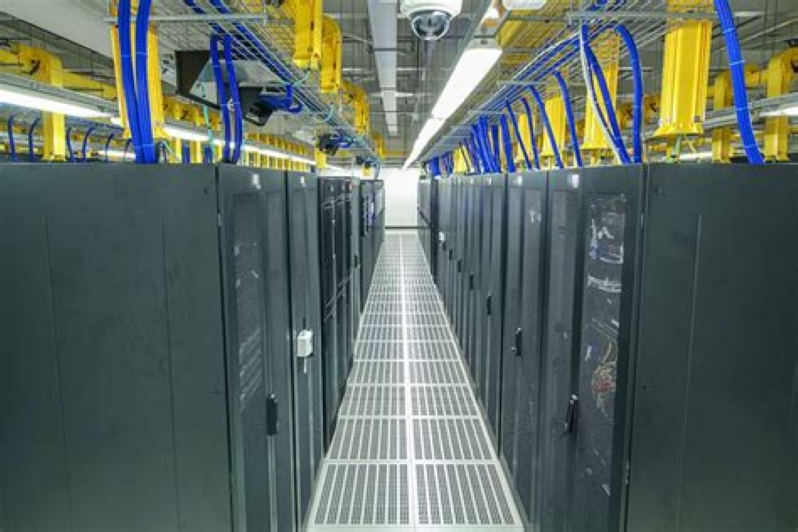
Plans for a proposed 1,200-megawatt (MW) data center and energy facility at Tungkillo, 55 kilometers east of Adelaide in South Australia, have sparked opposition from residents and farmers concerned about the development’s potential environmental, agricultural and visual impacts.
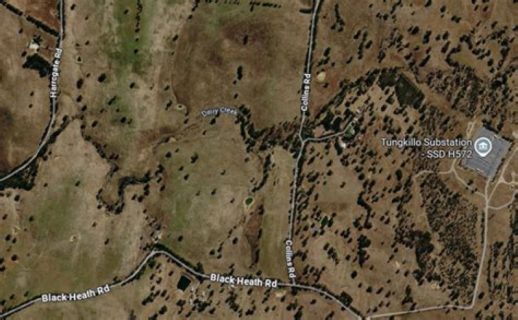
Melbourne-based developer Quantum DC is proposing the Tungkillo Compute and Energy Hub on a 220-hectare site at 312 Collins Road. The development would combine a hyperscale data center with dedicated electricity infrastructure. This includes a gas-fired reserve generation and two new substations connecting the campus to an existing 275-kilovolt transmission line.
According to Quantum DC, the proposed Tungkillo data center and energy hub will support growing demand for artificial intelligence (AI) and cloud computing. However, the scale of the planned facility, its location in a rural landscape and concerns about the infrastructure needed to operate it have prompted questions about whether the economic benefits would outweigh its local impacts.
As of late October 2026, residents have mobilized against the proposal. They have raised concerns about noise, artificial lighting, agricultural land, wildlife and the protection of the region’s night skies.
Why is the Tungkillo data center and energy hub facing backlash?
1. Concerns over the River Murray Dark Sky Reserve
One of the most prominent objections relates to Tungkillo’s proximity to the River Murray International Dark Sky Reserve. River Murray is an internationally accredited area recognized for its dark night skies.
Residents fear that lighting from a large industrial complex, together with illuminated access roads and associated infrastructure, could affect the rural character of the area. They also point out that the artificial lighting has the capacity to compromise the experience of its night sky.
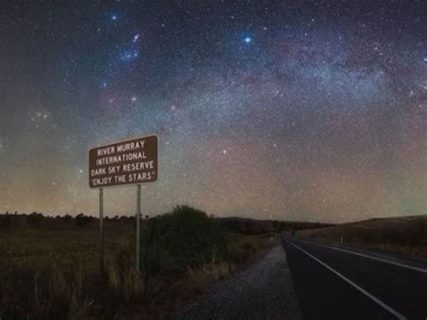
Quantum DC has stated that the proposed development site is more than five kilometers outside the reserve’s boundary. Nevertheless, residents argue that the location’s proximity to the protected area makes lighting design and the management of light pollution important considerations.
2. Noise pollution and impacts on rural communities
The proposed Tungkillo data center and energy hub campus would operate as a large-scale computing facility. It would be supported by substantial electrical and mechanical infrastructure. Residents have raised concerns about potential noise from cooling equipment, generators, substations and other plant operating around the clock.
The potential effects also extend beyond nearby homes. Farmers are also concerned about the consequences of sustained noise and industrial activity for livestock. Welfare of wildlife has also not been left out of the argument, and so is the wider rural environment.
Quantum DC says that specialist assessments will examine noise and vibration, among other environmental issues before the development application is lodged.
3. Agricultural land, wildlife and the rural landscape
The development would occupy a 220-hectare property. Of the 220-hectares, 120 hectares would be developed for data center buildings and supporting infrastructure. The remaining 100 hectares are intended to remain undeveloped and continue to be used for grazing.
Local farmers have questioned the suitability of placing a large industrial development in a rural area. They have cited concerns about potential effects on agricultural operations, pollinators, wildlife and the landscape.
The site’s transformation would also introduce substantial built infrastructure into a region valued for its agricultural character.
Also noteworthy is that the extent of the impact will depend on the final design and the design and layout of the buildings and substations. Landscaping and the findings of environmental studies will also affect the overall impact.
4. Water supply and cooling requirements
Water use has become a major issue in debates over large data centers in Australia, particularly in South Australia, where water resources are a significant consideration.
Quantum DC says the Tungkillo data center and energy hub facility would use a closed-loop cooling system. The data center is also expected to use direct-to-chip liquid cooling combined with dry, air-cooled heat rejection. Quantum DC estimates operational water consumption at 20 megaliters annually. Around 150-250 megaliters will also be required over the construction period.
Additionally, the company says rainwater collected from building roofs would be the main source of operational water. The rain water will be supplemented by commercial water deliveries where necessary. It also says the project would not have a permanent connection to SA Water’s mains or draw water directly from the River Murray.
These proposals address some of the concerns associated with conventional water-intensive cooling systems. However, construction water supply arrangements remain under development, and the locals are seeking clarity about how water resources and surrounding land would be protected.
5. Energy demand, gas generation and emissions
The proposed 1,200MW Tungkillo data center and energy facility would require a substantial and reliable electricity supply. Quantum DC plans to contract new wind and solar generation from elsewhere in South Australia. The Tungkillo campus is also planned to use on-site gas-fired turbines to maintain supply when renewable generation is insufficient.
The developer says the hub is designed to source 80% of its electricity from wind and solar. Gas-fired generation is expected to provide the remaining firming capacity under its proposed operating model. Additionally, the gas-fired power plant is expected to have a capacity of about 400MW.
While the proposed arrangement is intended to support reliable computing operations, the inclusion of gas-fired generation raises questions about emissions and air quality. The long-term use of fossil fuels is another major concern.
Quantum DC says the hub would bring additional renewable energy supply into the market. The developer says they have also commissioned independent modelling to assess the effect on electricity prices. The final implications will depend on the project’s detailed energy arrangements and the results of the relevant assessments.
What is Quantum DC proposing to build?
The Tungkillo Compute and Energy Hub is planned as a digital-infrastructure development to be delivered in three stages.
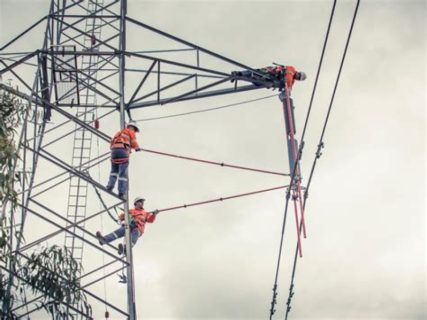
The proposed facility would connect to ElectraNet’s existing 275kV transmission line through two new substations. It would also feature gas-fired reserve generation, access roads, water management systems and other supporting services.
Quantum DC also says the location was selected partly because an existing high-voltage transmission line crosses the site. This potentially reduces the need to build new long-distance transmission lines.
Quantum DC also anticipates that the first stage could commence operations in 2028. It places the completion of the entire development by 2031.
The developer argues that the project would attract investment into regional South Australia. Tungkillo data center and energy facility is also expected to create construction and support local contractors. However, the number of jobs expected to be created has not been quantified yet.
Planning approval and community consultation
As of October 28, 2026, the South Australian government had not received a formal development application for the proposed Tungkillo data center.
Additionally, Quantum DC intends to pursue approval through South Australia’s Essential Infrastructure/Crown assessment pathway. Under the process outlined by the developer, the proposal would be subject to public notification, technical review and assessment by the State Commission Assessment Panel (SCAP), with the Minister for Planning making the final decision.
Quantum DC is undertaking voluntary community engagement for the proposed Tungkillo data center and energy facility before lodging its application. Two drop-in sessions (October 29 and 31) have been announced to give residents an opportunity to review the plans and raise questions with the project team and its consultants.
The developer also says feedback from the engagement program will be documented in an engagement report submitted with the development application.
Outlook for the Tungkillo data center and energy facility
The proposed development highlights a growing challenge facing Australia’s data center industry. How to accommodate increasing demand for computing capacity while protecting regional communities and the environment, is the main challenge. Other countries including the U.S. are also facing their equal share of backlash from locals over data centers, but push on where will gives way with projects such as the US$10 billion QTS data center campus in the state of Ohio.
For Quantum DC, the availability of existing transmission infrastructure and the opportunity to contract additional renewable energy are central to the site’s appeal.
For residents, the main question is whether those infrastructure advantages justify placing a hyperscale industrial facility in a rural area close to a recognized dark-sky destination.
The project’s next major milestone is the submission of a formal development application. Until those documents are available and the planning process is completed, the project’s final design, environmental safeguards and approval conditions remain uncertain.
The response to the proposal could also influence how future data center and energy hub developments are assessed in regional Australia. This will importantly be more particular to where major electricity demand intersects with agriculture, conservation and community expectations.
Tungkillo Data Center and Energy Facility Project Fact Sheet
Location: 312 Collins Road, Tungkillo, South Australia, 55km east of Adelaide
Proposed computing capacity: 1,200MW
Total site area: 220 hectares
Planned development footprint: 120 hectares
Land intended to remain undeveloped: 100 hectares. To be retained for grazing use.
Energy infrastructure: Two new substations and connection to an existing ElectraNet 275kV transmission line.
Proposed power sources: Contracted wind and solar power. The renewables will be supported by on-site gas-fired reserve generation.
Cooling technology: Closed-loop, direct-to-chip liquid cooling with dry, air-cooled heat rejection.
Estimated operational water use: 20 megaliters annually
Estimated construction water requirement: 150-250 megaliters
Target for first-stage operations: 2028
Target for full development: 2031
Current status: Proposed development
Planning authority: South Australian planning system, with the Minister for Planning making the final decision.
Who is involved in the Tungkillo data center and energy facility in South Australia?
- Quantum DC
- Quantum Developments Australia
- Quantum Energy Trading – Quantum group energy platform responsible for energy procurement
- URPS – Planning and community engagement consultancy coordinating the pre-application engagement program.
- ElectraNet – South Australian electricity transmission network operator whose existing 275kV transmission line crosses the proposed site.
- South Australian Department for Energy
- State Commission Assessment Panel (SCAP) – Expected to review the proposal and public feedback.
- South Australian Minister for Planning




Leave a Reply