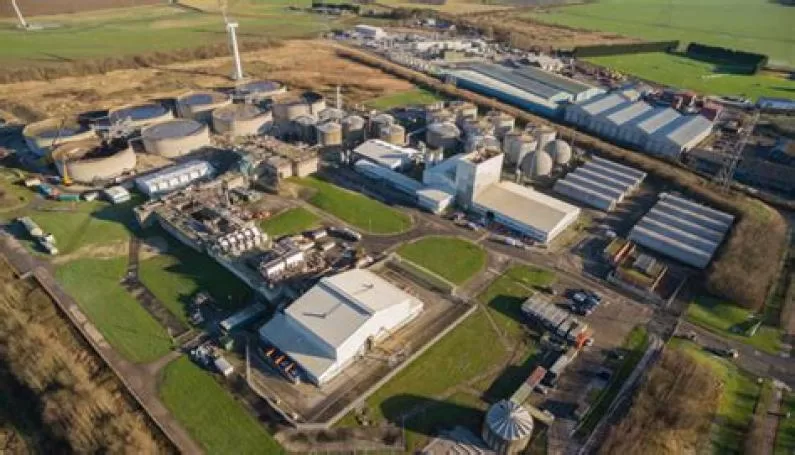
Deep beneath Yorkshire’s hills, contractors are executing the most aggressive infrastructure overhaul in the region’s modern history. Driven by intense regulatory pressure and volatile climate shifts, Yorkshire Water is burning through an £8.3 billion capital deployment program (AMP8). This is not a cosmetic patch-up of leaky pipes. It is a total, data-driven replacement of a failing Victorian-era network, unfolding across thousands of miles of underground pipelines completely out of public sight.
The scale of the operation on the ground is staggering. Backed by a £1.1 billion capital spend allocated specifically between April 2026 and April 2027, engineers are racing ahead of schedule to hit key infrastructure milestones. At the center of this physical push is an £850 million complex works framework, where tier-one contractors like Kier and Galliford Try are rapidly upgrading over 450 highly criticized storm overflows. The immediate mandate is clear: utilize a blend of massive underground storage tanks, rainwater-separating surface sewers, and nature-based sustainable drainage designs to decouple rainwater from sewage systems and stop the ecological nightmare of river pollution.
Concurrently, a £406 million clean-water main replacement initiative is aggressively tackling network leakage. Having already replaced its first 100 kilometres of aging water mains, the utility has advanced into localized rollouts, including a £1.5 million pumping station upgrade at Ponden and a massive new drought-resilience water main in Bradford slated for completion in Autumn 2026.
Artificial Intelligence services framework with Jacobs
But heavy civil engineering is only half the story; the real shift is happening on the digital front to ensure this momentum is maintained. Yorkshire Water recently finalized a five-year, £32 million Artificial Intelligence services framework with Jacobs. This digital partnership is wiring the network with machine learning and scalable predictive analytics. By deploying thousands of acoustic and mechanical sensors alongside a 1,500-asset expansion of Samotics’ SAM4 smart-monitoring platforms, the utility is building a real-time digital twin of its infrastructure. The system is designed to listen to the network, catch anomalies, and predict pump failures days before a pipe bursts or a pollution incident occurs.
Backed by a fresh 42% corporate stake acquisition by private equity firm EQT, this multi-billion-pound gamble represents a profound, proactive transformation. Ultimately, it will determine whether a modern utility can successfully use a blend of heavy iron and advanced code to out-engineer the climate crisis.
Additionally; Yorkshire Water’s push mirrors similar capacity and resilience upgrades underway elsewhere in the UK water sector. In Oxfordshire, Thames Water is progressing a £340 million upgrade of the Oxford Sewage Treatment Works, which is expected to increase treatment capacity by approximately 40% and improve effluent quality discharged into the River Thames.
Non-infrastructural works framework
In January 2025, as part of Yorkshire Water’s contract award, it has selected seven contractors to handle its non-infrastructural works framework valued at £850 million. The seven contractors named by Yorkshire Water will provide varied technical and engineering work to the clean water and wastewater systems.
Also of interest is that the names are not new to Yorkshire Water as they have been involved in projects with the water company for decades.
Contractors in Yorkshire Water January 2025 contract
Galliford Try, Barhale, Mott MacDonald Bentley, Tilbury Douglas, Glanua, Ward & Burke, and Kier are the seven contractors handling the “complex part” of the £850 million framework.
This will see construction companies like Galliford Try do civil engineering work and handle whole phases of delivery options. Mott MacDonald Bentley will cover the development of new wastewater treatment plants and the improvement of existing water reservoirs. Other technicalities also handled by the mentioned contractors include: mechanical, electrical, instrumentation, control and automation (MEICA).
Of importance to note is that the design, construction and delivery work will be carried out in a discretely mixed-up fashion by the contractors.
The Asset Management Period 8 (AMP8)
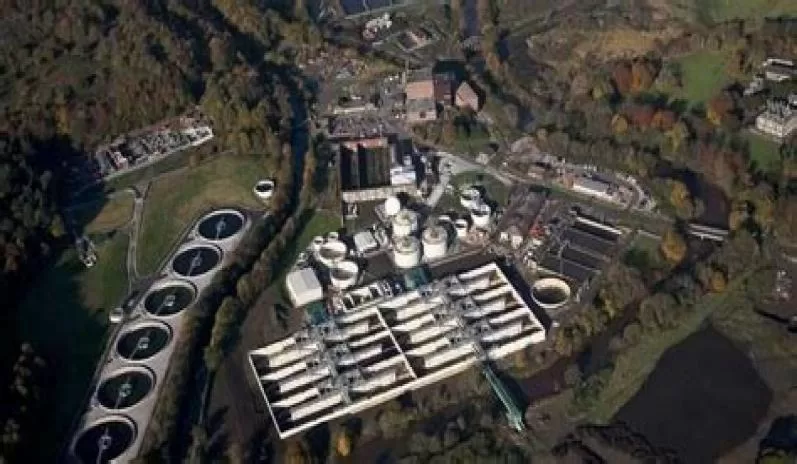
UK water regulator, Ofwat, recently approved the AMP8 investment program valued at £8.3bn. The AMP8 contracts also have an optional 5-year extension period. They contain several frameworks. Among them is this complex one that has been handed to the seven contractors by Yorkshire Water.
The AMP7 successor is set to run for a 5-year period starting from 2025. AMP7 also saw to infrastructure revamp anchored on sustainability. AMP7 contractors handled projects like the uprades to the Sladen Water Treatment and work on the Keighley Marley Wastewater Treatment. These were valued at £16 million and £18 million respectively. Also done was work on the Clifton Wetlands.
The £8.3bn AMP8 capital investment program has been termed the “largest-ever environmental initiative”. This is of its merit by value(s); and it does not fall short of accolades from stakeholders.
The head of program delivery at Yorkshire Water mentioned the “big challenge” to the seven contractors as not only being the technicalities of the projects to be undertaken, but also the new regulations and consumer expectations to be met.
Yorkshire Water is not the only UK water company implementing the AMP8 initiative. Those that have also recently made progress announcements about their frameworks include Southern Water and Wessex Water Capital.
Factsheet: Yorkshire Water AMP8 Overhaul
- Project Name: AMP8 Environmental Investment Programme
- Total Budget: £8.3 Billion (2025–2030)
- Current Capital Spend: £1.1 Billion (April 2026 – April 2027)
- Key Civil Contractors: Kier, Galliford Try, and Arup
- Primary Objective: Modernise Victorian infrastructure to eliminate river pollution and reduce network leaks.
Budget Allocations
- Storm Overflow Schemes: £1.5 Billion
- Complex Engineering Works: £850 Million
- Clean Water Main Replacements: £406 Million
- Artificial Intelligence & Tech: £32 Million
Major Project Milestones
- March 2026: EQT acquires a 42% stake in Kelda Holdings to inject fresh funding into the project.
- June 2026: Yorkshire Water awards a massive £80m technical design framework to 15 firms (including a £50m partnership with Arup).
- June 2026: Launch of the 5-year AI framework with Jacobs and deployment of 1,500 Samotics smart-monitoring sensors.
- Autumn 2026: Scheduled completion of the flagship drought-resilience water main in Bradford.
- 2030 Goal: Full upgrade of 450 targeted storm overflows and 1,085 kilometres of replaced water mains.
Also read: Southern Water latest £540m contract for 5-year spending period
Also read: Strabag-Equitix JV selected for UK’s £2.9bn Haweswater Aqueduct project
Project Team
Client / Framework owner: Yorkshire Water
Framework: AMP8 Complex Non-Infrastructure Works Framework (2025–2030), valued at £850 million, with an optional five-year AMP9 extension
Appointed contractor partners:
- Barhale — appointed to Lot 1 (complex works); civil, mechanical and electrical delivery
- Galliford Try (Environment business) — civil engineering and full-phase delivery; appointment expected to be worth around £100 million to the firm
- Glanua — process, mechanical and electrical works
- Kier (Water business unit) — non-infrastructure clean and wastewater works
- Mott MacDonald Bentley (MMB) — complex design-and-build works across the framework
- Tilbury Douglas — building, civil and MEICA capability
- Ward & Burke — civil engineering and design-and-build delivery
Scope of works: Civil engineering; mechanical, electrical, instrumentation, control and automation (MEICA); and building works across Yorkshire Water’s clean water and wastewater (non-infrastructure) assets
Wider programme: Part of Yorkshire Water’s £8.3 billion AMP8 investment programme (2025–2030), approved by regulator Ofwat

Leave a Reply