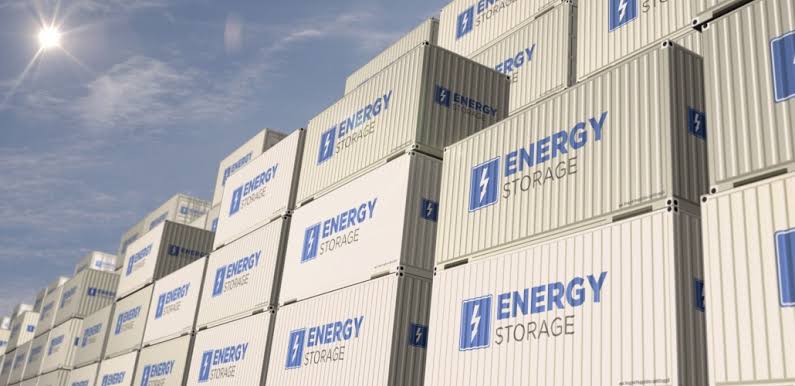
Hanworth BESS is a proposed large-scale battery energy storage project in Bannaby, New South Wales. Octopus Australia is progressing approvals for the 1.2GW/4.8GWh facility, having referred the project for federal environmental assessment under Australia’s EPBC Act.
The proposed development carries an estimated capital cost of A$1.9 billion, equivalent to approximately $1.24 billion. The facility would provide four-hour storage and connect to Transgrid’s transmission network.
Octopus Australia is leading the project through the parallel federal and NSW planning processes required before construction can begin.
Hanworth BESS sets a new benchmark for battery construction
Hanworth BESS would provide 1.2GW of power capacity and 4.8GWh of energy storage. At full scale, the facility could supply more than 500,000 homes during evening peak demand.
The development would occupy approximately 136.98 hectares in Bannaby, within Upper Lachlan Shire. The site lies about 46 kilometres northeast of Goulburn.
The proposed facility would use lithium iron phosphate battery technology. The development would include approximately 708 battery containers and associated electrical infrastructure.
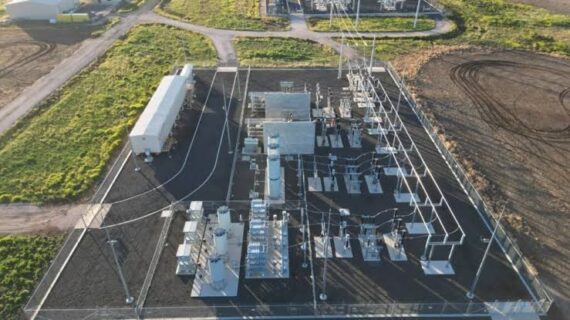
Additionally, the project would feature a 33kV/500kV substation and associated switchyard equipment. The developer also plans internal infrastructure supporting battery operations.
The development would connect to the existing 500kV Bannaby Substation through underground transmission infrastructure. Two potential transmission alignments remain under consideration.
That connection would allow the battery to participate in Australia’s National Electricity Market. It would also position the facility close to critical transmission infrastructure.
Hanworth BESS enters federal planning assessment
Octopus Australia referred Hanworth BESS for assessment under the Environment Protection and Biodiversity Conservation Act. The federal referral commenced on August 13, 2026.
The federal assessment runs alongside the NSW State Significant Development process. The project’s estimated A$1.9 billion capital value places it within the SSD planning framework.
Octopus Australia intends to progress planning approvals, grid connection and procurement activities. The company also plans to manage the project through construction and subsequent operations.
The developer expects construction and commissioning to take approximately 32 months. Current plans target a January 2028 construction start, subject to required approvals.
The project would operate for approximately 25 years after commissioning. Its battery system would store electricity during lower-demand periods and discharge during peak demand.
The Hanworth BESS adds another major storage development to Australia’s expanding energy infrastructure pipeline. Similarly, the $8 billion Snowy 2.0 project links two reservoirs through 27 kilometres of tunnels and provides 350GWh of storage.
Hanworth BESS strengthens NSW energy storage infrastructure
Hanworth BESS would become one of Australia’s largest planned battery storage facilities if the full configuration is delivered. Octopus Australia currently describes it as the nation’s largest planned BESS.
The project would provide fast-response electricity storage as Australia increases renewable generation. Batteries can absorb surplus electricity and release power when demand increases.
Furthermore, the facility could support grid stability as coal-fired generation progressively retires. Its four-hour duration provides longer discharge capability than many shorter-duration battery projects.
The development would also generate construction employment and local economic activity. Octopus Australia expects approximately 200 full-time-equivalent positions during construction.
The developer also plans a community benefit-sharing program for the surrounding region. That initiative would provide longer-term investment and community support.
However, construction remains subject to planning, environmental and grid approvals. These processes must therefore be completed before moving into physical construction.
If approved, Hanworth BESS would add substantial storage capacity to NSW’s electricity infrastructure. It would also demonstrate the increasing scale of battery projects supporting Australia’s energy transition.
Project Fact Sheet
Name: Hanworth Battery Energy Storage System (Hanworth BESS).
Type: Utility-scale battery energy storage system.
Location: Bannaby, Upper Lachlan Shire, New South Wales, Australia.
Site position: Approximately 46 kilometres northeast of Goulburn.
Proposed capital cost: A$1.9 billion, approximately $1.24 billion.
Battery capacity: 1.2GW.
Energy storage capacity: 4,800MWh or 4.8GWh.
Storage duration: Approximately four hours.
Proposed battery technology: Lithium iron phosphate (LFP).
Battery containers: Approximately 708 units.
Project area: Approximately 136.98 hectares.
Grid connection: Existing Bannaby 500kV Substation.
Transmission connection: Underground transmission line.
Grid operator: Transgrid.
Substation infrastructure: Proposed 33kV/500kV substation and switchyard.
Market connection: National Electricity Market.
Construction period: Approximately 32 months.
Target construction start: January 2028, subject to approvals.
Expected operating life: Approximately 25 years.
Construction workforce: Approximately 200 full-time-equivalent positions.
Development status: Federal EPBC assessment and NSW planning processes.
Federal referral date: August 13, 2026.
Primary function: Store electricity during low-demand periods and dispatch during peak demand.
Strategic role: Support grid stability and renewable energy integration.
Project Team
Developer: Octopus Australia.
Project entity: Hanworth BidCo Pty Ltd, as trustee for Hanworth Bid Trust.
Grid network operator: Transgrid.
Federal environmental authority: Australian Government Department responsible for EPBC Act administration.
NSW planning authority: NSW Department of Planning, Housing and Infrastructure.
Battery technology supplier: To be confirmed.
EPC contractor: To be confirmed.
Engineering contractor: To be confirmed.
Civil construction contractor: To be confirmed.
Operations and maintenance contractor: Octopus Australia.
Community engagement: Octopus Australia.


Leave a Reply