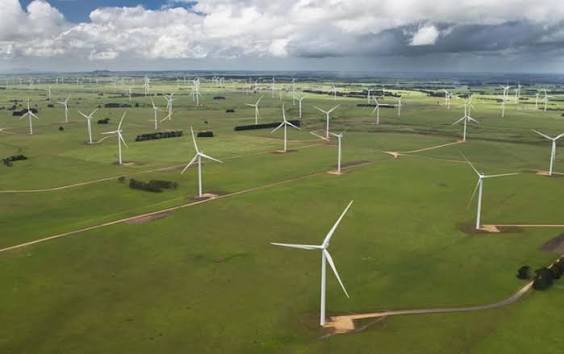
Bungaban Wind Energy project has secured federal environmental approval, clearing a major hurdle before construction begins in 2027. The 1.4GW development sits between Wandoan and Taroom in Queensland’s Western Downs and Banana Shire regions.
It ranks among Australia’s largest planned wind farms and could become the country’s biggest when completed. The approval also advances plans to deliver large-scale renewable electricity for Queensland homes and major industries.
Bungaban Wind Energy Project moves toward construction
The A$3.9 billion project, worth about $2.7 billion, is being developed under a 50:50 joint venture. Windlab and Squadron Energy are advancing the wind development through the Bungaban Renewable Energy Hub.
The federal approval follows more than three years of environmental assessment and approvals work. The assessment included more than 1,600 hours of ecological surveys and cross-seasonal field studies.
Furthermore, Queensland granted the project state development approval in 2025. The federal government also selected Bungaban under its Capacity Investment Scheme in May 2026.
The project will feature up to 204 wind turbine generators and supporting infrastructure. Facilities will include access roads, electrical networks, substations and construction compounds. The development will also include battery storage and operational facilities.
Construction could create around 1,000 jobs at peak activity. Additionally, the project could contribute approximately A$500 million to the regional economy through employment and procurement.
Bungaban Wind Energy Project expands renewable infrastructure
The project has secured a 25-year power purchase agreement with Rio Tinto. Under the agreement, Rio Tinto will purchase 80% of Bungaban’s electricity output.
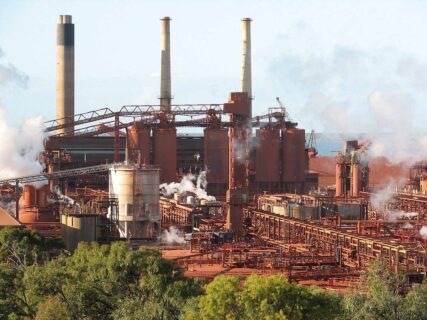
The electricity will support Rio Tinto’s Gladstone industrial operations. These facilities include the Boyne aluminium smelter, Yarwun alumina refinery and Queensland Alumina refinery.
The remaining 20% of generation will supply the National Electricity Market. Once operational, the wind farm could generate enough electricity for about 860,000 Queensland homes. It could also displace approximately four million tonnes of carbon emissions annually.
Meanwhile, the project will maintain agricultural activity across the site. The developers have designed the wind farm to coexist with existing grazing operations. More than 99.5% of its construction footprint sits within non-remnant areas.
The development will also deliver community and First Nations benefits. Its framework is expected to provide more than A$50 million throughout the project’s operating life.
A useful comparison is the Port Augusta Renewable Energy Project, where Australia has already demonstrated how combined wind and solar infrastructure can support a more consistent renewable power profile. The 317MW South Australian project combines 207MW of wind generation with 110MW of solar, alongside transmission and substation infrastructure. This earlier development provides relevant context for the growing scale of Australia’s hybrid renewable construction pipeline, including the broader Bungaban development.
Bungaban Wind Energy Project advances grid connection
Powerlink Queensland is developing the transmission connection for Bungaban. The proposed connection includes a new 275kV Warranna substation and an approximately 83km double-circuit transmission line.
The transmission line will connect Warranna Substation with Powerlink’s existing Wandoan South Substation. The proposed infrastructure requires a new 60-metre-wide transmission easement.
However, the transmission connection remains under federal assessment. Approval is expected by the first quarter of 2027, according to the federal project portal.
Alongside the wind farm, the joint venture is developing the Bungaban Solar Project. The solar development will add 500MW of generation with battery storage within the wider precinct. Its federal environmental assessment has already concluded with a “Not Controlled Action” determination.
The combined infrastructure could create a major renewable energy hub. Solar generation can complement wind production while battery storage supports electricity supply flexibility.
With federal approval now secured, the developers will focus on financial close and delivery preparations. Windlab chief executive John Martin expects financial close and construction to proceed in 2027. The project is expected to become operational around 2030.
Project Fact Sheet
Name: Bungaban Wind Energy Project
Type: Large-scale onshore wind farm
Location: Western Downs and Banana Shire, Queensland, Australia
Site location: Between Wandoan and Taroom
Installed capacity: Up to 1.4GW
Cost: Approximately $2.7 billion/ A$3.9 billion
Expected construction start: 2027
Expected operational date: Around 2030
Wind turbines: Up to 204
Peak construction employment: Around 1,000 jobs
Regional economic contribution: Approximately A$500 million
Community and First Nations benefits: More than A$50 million over project life
Potential electricity supply: Equivalent to approximately 860,000 Queensland homes
Estimated annual emissions reduction: Approximately four million tonnes of carbon
Power purchase agreement: 25 years
Contracted electricity: 80% to Rio Tinto
Remaining electricity: National Electricity Market
Grid connection: New Warranna 275kV substation
Transmission line: Approximately 83km double-circuit 275kV line
Associated renewable development: Bungaban Solar
Associated solar capacity: 500MW with battery storage
Federal approval: EPBC approval granted September 25, 2026
Queensland approval: State development approval granted in 2025
Capacity Investment Scheme: Selected in May 2026
Project Team
Developers: Windlab and Squadron Energy
Joint venture: Windlab and Squadron Energy, 50:50
Project director: Kimberly Cram
Windlab chief executive: John Martin
Transmission developer: Powerlink Queensland
Electricity offtaker: Rio Tinto
Project proponent: Bungaban Renewable Energy Farm Pty Ltd
Federal environmental authority: Australian Government under the EPBC Act
Local authority:
- Western Downs Regional Council
- Banana Shire Council
Traditional Owners: Iman and Auburn Hawkwood Peoples
Investment support mechanism: Australian Government Capacity Investment Scheme
Associated solar developer: Bungaban joint venture
Grid connection infrastructure: Powerlink Queensland

Leave a Reply