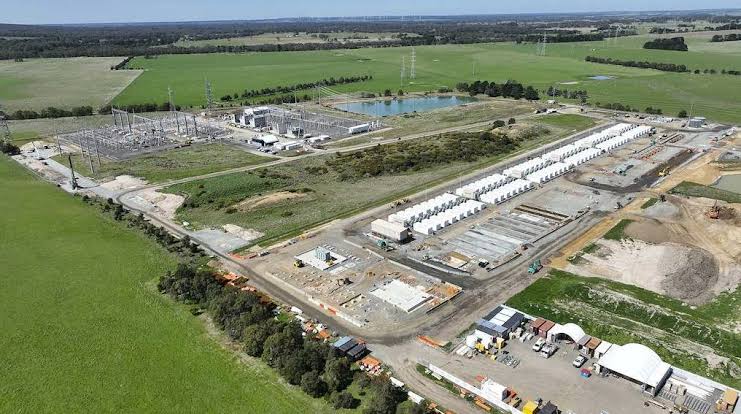
AGL-Akaysha Green energy deals in Australia are facing fresh financing challenges, threatening investment momentum across major renewable energy developments. Two significant transactions involving AGL Energy and BlackRock’s Akaysha Energy business have encountered obstacles. The setbacks highlight growing difficulties in securing private capital for large-scale clean energy infrastructure. They also raise questions about the financial viability of Australia’s renewable energy expansion.
The developments involve a proposed A$500 million equity partnership and a separate business transaction valued above A$2 billion. Together, these represent approximately $1.74 billion in prospective investment and transaction value. However, neither transaction represents a confirmed construction budget. The reported difficulties could complicate funding arrangements for wind, solar and battery storage developments.
The first setback concerns AGL Energy’s proposed partnership with infrastructure investor Morrison. The arrangement seeks to attract external equity for AGL’s renewable energy development pipeline. Meanwhile, Asian private equity firm PAG has reportedly abandoned negotiations involving BlackRock’s Akaysha Energy business. These developments expose different financing and transaction risks within Australia’s energy transition.
AGL-Akaysha Green Energy Deals Face Equity Funding Uncertainty
AGL’s proposed partnership with Morrison requires at least A$500 million in equity. That amount converts to approximately $348 million at the November 4, 2026 exchange rate.
However, Morrison has encountered difficulties securing funding from one of its investment partners. Consequently, the proposed arrangement remains uncertain.
AGL had appointed Bank of America and Macquarie Capital to identify potential funding partners. The proposed investment would support renewable developments across the company’s project pipeline.
One significant development within this pipeline is Pottinger Energy Park in New South Wales. The project combines wind generation, solar generation and battery storage.
The Australian’s report identifies a 1.2GW wind farm, 300MW solar facility and 500MW battery. These facilities form part of AGL’s broader renewable energy expansion strategy.
Nevertheless, the financing uncertainty could complicate capital allocation and development planning. Large renewable projects require substantial upfront investment before construction and commissioning.
AGL has previously explored external capital partnerships to accelerate development while managing its balance sheet. Its latest financial disclosures also confirm engagement with potential capital partners for more than 2GW of renewable projects.
The company therefore faces an important challenge in securing investors without compromising development flexibility.
AGL-Akaysha Energy Green Energy Deals Encounter Transaction Setback
The second setback concerns BlackRock’s Akaysha Energy business, which carries a reported valuation exceeding A$2 billion. This represents more than $1.39 billion using the November 4 exchange rate.
Asian private equity investor PAG reportedly abandoned negotiations to acquire part or all of the business. The discussions encountered difficulties after PAG failed to secure exclusive due diligence access.
The development introduces uncertainty around a potential ownership transaction involving a major battery storage developer. However, the reported withdrawal does not establish that Akaysha’s existing projects have stopped construction.
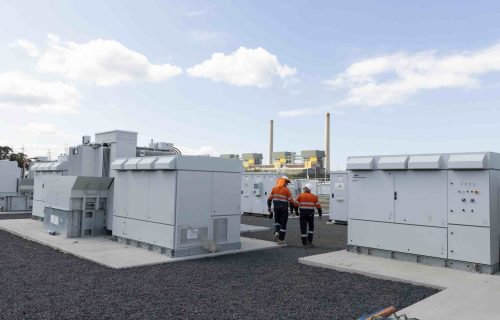
Akaysha Energy operates within BlackRock’s Global Infrastructure Partners portfolio. Its activities focus on developing and operating large-scale battery energy storage infrastructure.
Battery storage remains essential to Australia’s renewable energy expansion. These facilities help balance intermittent electricity generation and strengthen grid reliability.
Consequently, uncertainty surrounding ownership negotiations could affect investment expectations. However, the available reporting does not establish any cancellation of Akaysha’s construction programme.
The two transactions therefore involve different challenges. AGL faces uncertainty over proposed development equity, while Akaysha faces an abandoned acquisition negotiation.
Green Energy Deals Reflect Wider Construction Financing Pressures
The setbacks come amid increasing pressure on Australia’s renewable infrastructure investment market. Developers face rising construction costs, financing uncertainty and challenges securing dependable electricity revenue.
An Australian Broadcasting Corporation investigation published in September 2026 highlighted delays affecting renewable energy developments. It reported that wind construction costs had increased by up to 50%. Furthermore, only four of 31 wind projects supported through the federal Capacity Investment Scheme had secured construction funding.
The Institute for Energy Economics and Financial Analysis also identified investor confidence challenges. Its September 2026 Australian Renewable Energy Scorecard highlighted the gap between approved developments and projects reaching construction commitment.
These challenges could complicate Australia’s ambition to generate approximately 82% of electricity from renewable sources by 2030.
Meanwhile, the Morrison funding uncertainty and PAG’s withdrawal demonstrate how financing decisions influence project delivery. Developers need dependable equity, debt facilities and commercially viable revenue arrangements before committing substantial construction expenditure.
AGL’s proposed partnership remains a potential funding route rather than a completed investment. Similarly, PAG’s reported withdrawal does not establish a disposal or operational shutdown at Akaysha.
The immediate concern therefore extends beyond individual transactions. Australia’s renewable construction pipeline needs stronger financing arrangements to translate development plans into operational infrastructure.
The financing challenges facing Australia’s renewable energy sector contrast with developments at the Waroona Renewable Energy Project in Western Australia. The project has secured a $196 million debt facility, advancing its solar and battery hybrid construction plans. This progress highlights how committed project financing can help developers move renewable infrastructure towards construction and commissioning.
Project Fact Sheet
Overall market: Australian renewable energy infrastructure sector.
Combined transaction value: Approximately $1.74 billion, based on the reported A$2.5 billion combined values.
First transaction: Proposed AGL Energy–Morrison renewable development equity partnership.
First transaction value: At least A$500 million (approximately $348 million).
Second transaction: Proposed PAG acquisition of part or all of BlackRock’s Akaysha Energy business.
Second transaction valuation: More than A$2 billion (approximately $1.39 billion).
AGL development portfolio: More than 2GW of renewable projects under consideration for external capital partnerships.
Pottinger Energy Park: Located in New South Wales, Australia.
- Wind component: 2GW
- Solar component:
- Battery component:
AGL funding status: Proposed equity arrangement faces uncertainty because Morrison has not secured funding from one partner.
AGL financial advisers: Bank of America and Macquarie Capital.
Akaysha transaction status: PAG reportedly abandoned acquisition negotiations.
Akaysha operational implications: No confirmed cancellation of construction projects arising from the reported negotiations.
Main construction components: Wind farms, solar installations, battery energy storage systems and associated electricity infrastructure.
Key development challenge: Securing sufficient equity and investment commitments to advance renewable energy projects.
Project Team
AGL renewable energy funding arrangement
- Renewable energy developer and proposed equity partner: AGL Energy.
- Proposed infrastructure investment partner: Morrison.
- Financial adviser: Bank of America.
- Financial adviser: Macquarie Capital.
- Development portfolio: AGL’s renewable energy pipeline, including wind and solar developments in New South Wales.
- Identified development: Pottinger Energy Park.
Akaysha Energy business transaction
- Business owner: BlackRock.
- Parent investment platform: Global Infrastructure Partners (GIP), a BlackRock infrastructure investment business.
- Business under proposed transaction: Akaysha Energy.
- Prospective acquirer: PAG.
- Transaction structure: Proposed acquisition of part or all of Akaysha Energy.
- Transaction status: Negotiations reportedly abandoned following difficulties obtaining exclusive due diligence access.


Leave a Reply