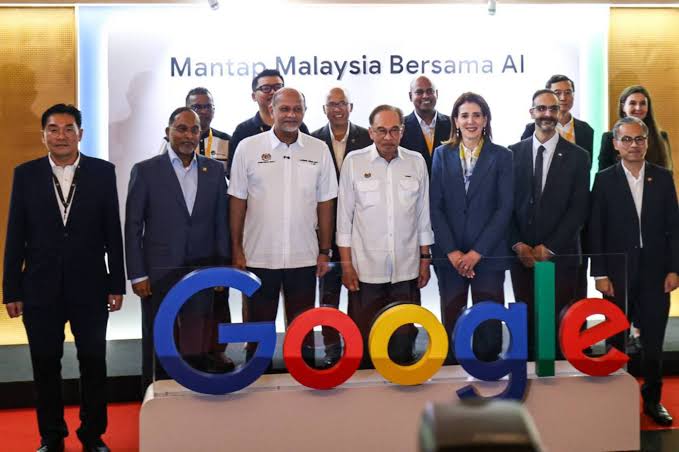
Google has announced a $15 billion investment in Malaysia for 2027 and 2028, funding new data center campuses in Selangor and Negeri Sembilan alongside clean energy, water security and workforce training. The announcement on November 4, 2026 builds on the $2 billion commitment Google made in 2024 for its first Malaysian data center and cloud region.
The expansion adds to the existing campus at Elmina Business Park in Selangor, which Google says is already operational. The company said it will add more than 1 gigawatt of clean energy capacity to the national grid and pay for all the power its campuses use. In addition, the announcement did not give megawatt capacity, site sizes or construction contractors.
Powering AI infrastructure is the common problem across Google’s global build out. In the United States, the Hydro Framework Agreement with Brookfield lets Google procure up to 3 GW of carbon free hydropower, and the first 20 year contracts cover the 670 MW Holtwood and Safe Harbor plants in Pennsylvania, valued at more than $3 billion. In Malaysia, the company plans to source its new clean capacity with utility Tenaga Nasional Berhad.
Google Malaysia Data Center Expansion Adds Campuses in Selangor and Negeri Sembilan
The Google Malaysia data center expansion will add new campuses in Selangor and Negeri Sembilan, located in industrial zones. Local technology reporting names Puncak Alam and Serendah in Selangor and Port Dickson in Negeri Sembilan, though the company has not published site plans. Google also said the added computing capacity will support locally developed AI applications.
Google said the construction phase will contribute an annual average of $1.1 billion to Malaysia’s gross domestic product and support more than 37,000 local jobs per year. Once operational, the campuses are projected to sustain more than 9,000 local jobs per year, with wages averaging 45 percent above the national median. The construction workforce is therefore about four times the permanent one.
The company described Malaysia as one of Southeast Asia’s most dynamic digital economies, citing “99% internet penetration” and fast AI adoption across government agencies, businesses and consumers. Google also said the campuses in Malaysian industrial zones would be designed to operate efficiently.
Project Overview
- Project Name: Google Malaysia Data Center Expansion
- Developer or Owner: Google (Alphabet)
- Location: Selangor and Negeri Sembilan, Malaysia, alongside the operational Elmina Business Park campus in Selangor
- Project Type: Data center campuses with clean energy, water security and skills programs
- Project Value: $15 billion over 2027 and 2028
- Prior Commitment: $2 billion announced in May 2024
- New Campuses: Selangor and Negeri Sembilan; local reports name Puncak Alam, Serendah and Port Dickson
- Clean Energy: More than 1 GW added to the national grid, with Tenaga Nasional Berhad under CRESS
- Construction Jobs: More than 37,000 local jobs per year, per Google
- Operational Jobs: More than 9,000 local jobs per year, with wages 45 percent above the national median, per Google
- Construction GDP Contribution: Average of $1.1 billion per year, per Google
- Skills Programs: Four programs to upskill 800,000 Malaysians over five years
- Announcement Date: November 4, 2026
- Capacity, Contractors and Build Schedule: Not publicly disclosed
Project Team
Owner and Developer
- Owner: Google
- Utility and Clean Energy Partner: Tenaga Nasional Berhad
- Design Team: Not publicly disclosed
- General Contractor: Not publicly disclosed
Related Project: Google and Brookfield Hydro Framework Agreement
- Power Seller: Brookfield Asset Management
- Power Buyer: Google
Power and Water Demands Shape the Google Malaysia Data Center Plan
Google plans to work with Tenaga Nasional Berhad on new generation under Malaysia’s Corporate Renewable Energy Supply Scheme, known as CRESS. The scheme launched in September 2024, and roughly 1.3 GW of supply agreements had been signed under it by mid 2025, according to a market research note carried by the utility. Google’s pledge of more than 1 GW is therefore comparable in size to everything signed in the scheme’s first nine months or so.
Water is the second constraint. Google said its watershed assessments in Selangor and Negeri Sembilan found no high risk of scarcity or depletion, which informed its choice of water cooling. The company said water cooling can cut data center energy use by about 10 percent compared with air cooling.
Furthermore, the policy backdrop is tightening. Deputy Prime Minister Ahmad Zahid Hamidi told parliament in July that data centers are projected to account for one third of Malaysia’s energy consumption by 2035. The government said it would approve data center projects only after ensuring adequate energy and water supplies.
Malaysia holds more than half of the data center capacity under construction across Southeast Asia, according to market intelligence firm DC Byte. The International Monetary Fund forecasts Malaysian growth of 5.2 percent in 2026, partly supported by data center activity.
AFP also noted that a Finnish authority ordered work at two Google data center sites in that country to halt in October until mandatory environmental impact assessments were completed. For Malaysia, Google said it will pay the direct infrastructure costs of connecting its campuses to the grid while complying with all applicable local regulations.
Skills Programs Accompany the Google Malaysia Data Center Investment
Google announced four new programs aimed at upskilling 800,000 Malaysians over the next five years. Data Center Institutes are planned at selected polytechnics in Selangor and Negeri Sembilan from 2027, offering a 10 week curriculum and practical work with a physical data center simulator.
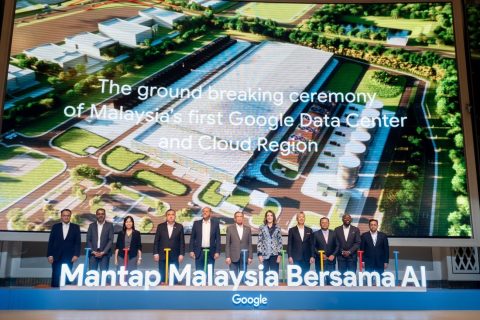
The Elmina campus broke ground on October 1, 2024, in a ceremony attended by Prime Minister Anwar Ibrahim and Ruth Porat, president and chief investment officer of Google and Alphabet. Google has not said when the new campuses will start construction, so the November 4 announcement sets the investment window rather than a build schedule.



Leave a Reply