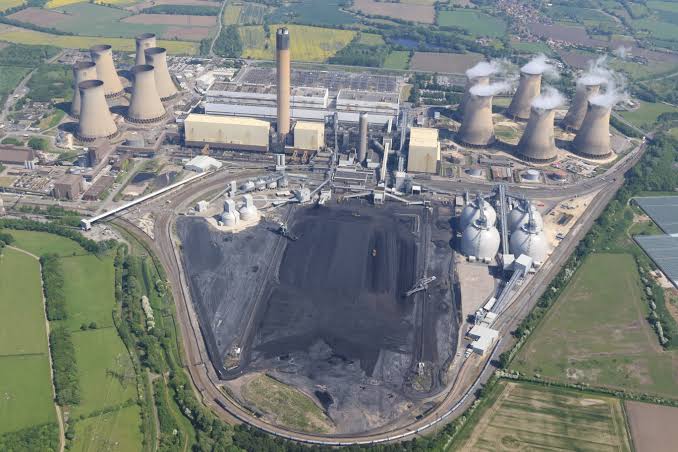
Drax biomass data centre plans in North Yorkshire are facing potential public opposition as developers pursue a £20 billion investment. The proposed development would transform the existing Drax Power Station estate into a major artificial intelligence infrastructure hub. However, the project combines two increasingly controversial issues: large-scale biomass electricity generation and the environmental footprint of AI data centres.
Drax Group Chief Executive Will Gardiner has acknowledged the opposition challenge. In an interview with The Times, he admitted that many people would strongly dislike the proposal. Nevertheless, he believes the development offers an important opportunity to secure the industrial site’s future. The proposed partnership targets more than 1GW of data centre capacity across several development phases.
Drax Biomass Data Centre Introduces a £20 billion Construction Programme
The development will occupy the existing Drax Power Station estate near Selby, North Yorkshire. Drax announced its strategic partnership with Brookfield and Radiant on November 3, 2026. Brookfield’s investment vehicle, Brookfield-Qai, will provide financial backing and operational capabilities. Meanwhile, Radiant will contribute artificial intelligence infrastructure expertise and oversee data centre development. Drax will provide the industrial land, electricity infrastructure and planning expertise.
The overall investment could exceed £20 billion, including semiconductor equipment. However, the initial development phase could attract approximately £2.5 billion in investment. This first phase targets up to 100MW of computing capacity. The developers aim to bring it into commercial operation during the first quarter of 2028.
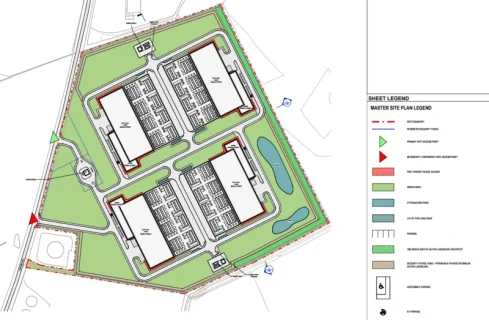
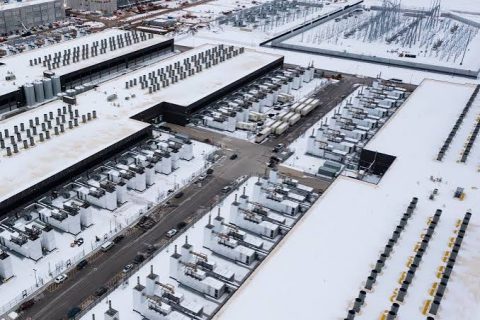
The proposed construction will include data halls housing advanced computing equipment. Associated infrastructure will comprise cooling systems, electrical plant buildings and office facilities. Additionally, the development will require supporting logistics infrastructure and connections to existing utilities.
Drax’s estate covers approximately 1,000 acres and offers substantial existing infrastructure. The power station has 4GW of grid access and 2.6GW of active dispatchable generation capacity. Existing cooling systems and proximity to fibre networks strengthen its suitability for data centre construction.
Importantly, the initial 100MW facility will draw electricity directly from the national grid. Therefore, its initial construction does not depend on dedicated biomass generation.
Drax Biomass Data Centre Faces Environmental and Community Questions
Despite its infrastructure advantages, the development faces significant environmental scrutiny. Gardiner acknowledged that combining biomass generation with AI infrastructure could attract considerable criticism. Drax has faced longstanding questions about biomass sustainability, imported wood pellets and carbon emissions.
The House of Commons Public Accounts Committee published a critical biomass report in April 2025. It highlighted concerns about sustainability monitoring and the environmental consequences of certain biomass sources. The committee also identified approximately £6.5bn in historical government support for Drax.
Furthermore, environmental research organisation Ember reported significant emissions from the power station. Its July 2026 analysis identified 14.1 million tonnes of carbon dioxide equivalent emissions during 2025. The findings have intensified scrutiny surrounding the environmental credentials of biomass electricity generation.
However, the proposed data centre will develop through different electricity arrangements. Phase two targets an additional 500MW between 2028 and 2031. This phase could utilise existing generation capabilities through a behind-the-meter arrangement. Nevertheless, this approach requires government agreement and regulatory approvals.
Phase three envisages additional capacity beyond 2031. Together, the phases could deliver more than 1GW of computing infrastructure.
Meanwhile, opposition to large-scale data centre construction continues growing across Britain. Environmental campaigners have raised concerns about electricity consumption, water requirements and local infrastructure pressures. Global Action Plan reported increasing community resistance to proposed developments across the country.
Drax has therefore launched public consultation ahead of submitting its first planning application. The consultation closes on December 3, 2026. Residents can submit feedback through online questionnaires and direct engagement with the project team. Drax also held public consultation meetings at Drax Village Hall on November 19 and 20.
The development partners intend to establish a voluntary community benefits fund. They say the fund will complement existing community initiatives and statutory planning obligations.
Drax Biomass Data Centre Construction Depends on Approvals
The proposed development remains subject to several important conditions before construction can proceed. These include planning permission, regulatory clearances and electricity network approvals. Additionally, the partners must secure an acceptable anchor customer for the initial facility.
Radiant will lead design, customer engagement and commercialisation. It will also pursue customer commitments before initiating construction. Drax will coordinate land provision, power integration and planning activities. Brookfield-Qai will support the investment and operating structure.
The developers have not confirmed a final investment decision. They must also negotiate commercial agreements before committing to construction expenditure.
Nevertheless, the project could establish a significant new technology infrastructure centre in northern England. Its phased delivery would allow developers to expand capacity according to demand. However, environmental scrutiny and community acceptance will remain important considerations.
Gardiner’s acknowledgement of potential opposition highlights the challenge facing the development. Ultimately, the project’s progress will depend on whether its economic ambitions can withstand environmental and planning scrutiny.
The proposed data centre development adds to Britain’s expanding pipeline of large-scale AI infrastructure projects, despite growing concerns about their environmental and community impacts. A similar debate surrounded the Equinix Hertfordshire data centre project, which will become one of Europe’s largest facilities following planning approval. However, while the Hertfordshire development faced opposition over its Green Belt location, Drax faces additional scrutiny over biomass electricity generation and the environmental footprint of AI computing.



Leave a Reply