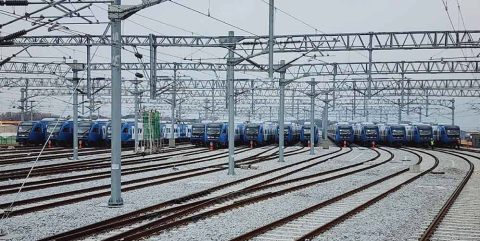
South Korea’s Ministry of Land, Infrastructure and Transport says construction has begun on the Great Train Express (GTX) C Line, an 86.6 kilometer commuter rail line valued at approximately $3.5 billion that will connect Yangju in northern Gyeonggi Province to Suwon and Ansan in the south, cutting some commute times into Seoul by more than half.
MOLIT said the project, procured under a build-transfer-operate model, is expected to take about 60 months to complete, with an opening targeted for the second half of 2031. The line will add service to Ansan, Uiwang, Uijeongbu and Yangju in Gyeonggi Province, along with Dobong and Nowon districts in northeastern Seoul, linking them directly to the capital’s business districts.
GTX-C Cuts Gyeonggi to Seoul Commutes to About 30 Minutes
The GTX-C line runs from Deokjeong-dong in Yangju through Uijeongbu, Chang-dong, Cheongnyangni and Samseong in central Seoul, before continuing to Suwon and Sangnoksu in Ansan. Once open, the trip from Deokjeong to Samseong Station in Gangnam will fall from about 80 minutes to roughly 30 minutes.
In addition, the ride from Suwon Station to Cheongnyangni Station will shorten from about 75 minutes to about 30 minutes. The line is the third of South Korea’s planned Great Train Express network, following GTX-A, which opened in stages starting in 2024, and GTX-B, which is also under construction. Three further lines, GTX-D, GTX-E and GTX-F, are in planning.
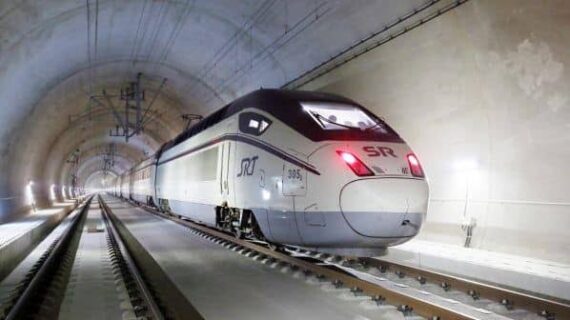
Years of Cost Disputes Delayed the GTX-C Line
GTX-C originally held a groundbreaking ceremony in January 2024, but actual construction stalled as material and labor costs rose sharply, a shift the project’s Hyundai Engineering & Construction-led consortium linked in part to the war in Ukraine. The consortium sought a higher contract price, delaying the true start of work by nearly two years and eight months.
Furthermore, the dispute was resolved only after the Korea Commercial Arbitration Board issued a ruling in April 2026 increasing the total project cost, a decision the government’s Private Investment Project Deliberation Committee then reviewed and approved. That approval cleared the way for construction to begin this month. Also, rolling stock manufacturer Hyundai Rotem was separately awarded a 542.6 billion won ($389 million) contract by the project’s concessionaire, GTX-C Co., to supply the line’s trains.
“I am more than pleased to be able to tell the public that construction has begun on the C Line, which faced difficulties for a long time,” said Kim Yong-seok, chairman of the Metropolitan Transportation Commission. “Going forward, we will manage the process thoroughly to ensure quality and safety and to open the line on schedule.”
Local Governments Mark the Start of Construction
Yangju Mayor Chung Duck-young welcomed the start of work, saying the city would do everything in its power to keep the project on schedule after years of delay. Moreover, MOLIT plans to run public exhibition halls at Suwon Station from September 16 to 18 and at Uijeongbu Station from September 20 to 22, where visitors can view train designs, check projected commute times and take part in interactive displays.
South Korea is not alone in pushing ahead with delayed, transformative rail investment. In Vietnam, the government’s approved 1,541 kilometer North-South high-speed railway, a project estimated at $67.34 billion that is expected to cut travel time between Hanoi and Ho Chi Minh City from 30 hours to about 5, has similarly drawn interest from international contractors including Siemens as the country works toward a 2035 completion target. Both projects reflect how governments across Asia are betting on express and high-speed rail to reshape how their populations move between major cities.
Project Overview
- Project Name: GTX-C Line (Great Train Express Line C)
- Procuring Authority: Ministry of Land, Infrastructure and Transport, through the Metropolitan Transportation Commission
- Location: Seoul Metropolitan Area, South Korea, from Yangju to Suwon and Ansan in Gyeonggi Province
- Project Type: Commuter express rail line
- Route Length: 86.6 kilometers
- Project Value: Approximately $3.5 billion (4.9272 trillion won)
- Delivery Model: Build-Transfer-Operate (BTO) private investment project
- Construction Start: September 15, 2026 (originally broke ground in January 2024, delayed by cost disputes)
- Construction Duration: Approximately 60 months
- Target Opening: Second half of 2031
- Travel Time Improvements: Yangju (Deokjeong) to Samseong (Gangnam) cut from about 80 minutes to about 30 minutes; Suwon to Cheongnyangni cut from about 75 minutes to about 30 minutes
- Areas Served: Ansan, Uiwang, Uijeongbu and Yangju in Gyeonggi Province; Dobong and Nowon districts in northeastern Seoul
- Rolling Stock: Hyundai Rotem awarded a 542.6 billion won ($389 million) contract to supply trains
- Dispute Resolution: Total project cost increase approved following Korea Commercial Arbitration Board arbitration in April 2026
- Network Context: Third line in South Korea’s Great Train Express network, alongside GTX-A (operating in stages since 2024) and GTX-B (under construction); GTX-D, E and F are in planning
Project Team
- Procuring Authority: Ministry of Land, Infrastructure and Transport
- Overseeing Body: Metropolitan Transportation Commission
- Lead Construction Consortium: Hyundai Engineering & Construction
- Rolling Stock Supplier: Hyundai Rotem
- Project Concessionaire: GTX-C Co. (special purpose company; official site not publicly available)
- Arbitration Body: Korea Commercial Arbitration Board
- Local Government: Yangju City

Leave a Reply