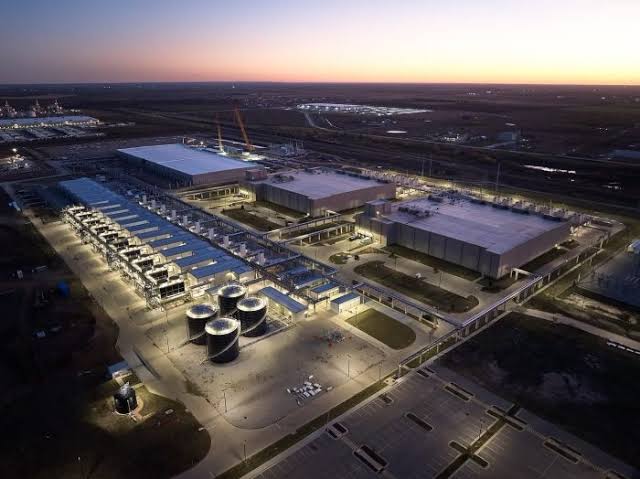
West Memphis data center project plans are expanding through a new energy and grid infrastructure agreement between Google and Entergy Arkansas. Announced on October 19, 2026, the partnership’s second phase will support the expanding campus while strengthening electricity reliability across Arkansas.
Google will fund approximately $600 million in planned infrastructure investments and associated power purchase commitments. The package includes battery storage systems, additional solar energy procurement, substation expansion and new transmission lines.
Entergy Arkansas expects the wider investment to deliver at least $500 million in additional customer savings from 2028 over 20 years. The development builds on Google’s original $4 billion Arkansas investment, announced in October 2025.
West Memphis data center project expands energy infrastructure
The new phase addresses the electricity requirements of Google’s planned data center buildings in West Memphis, Crittenden County. Consequently, the utility will expand critical infrastructure to accommodate the campus’s growing power demand without transferring the new investment costs to other customers.
The approximately $600 million package includes two battery energy storage systems. The Driver Solar facility near Osceola will receive a 1,000 megawatt-hour battery system, while the Jones Mill site near Hot Springs will receive a 400 megawatt-hour system. Both systems are expected to enter service in 2028.
Additionally, Entergy Arkansas will procure 440 megawatts of alternating-current solar power through a purchase agreement with the Big Island solar facility in Mississippi County. This addition follows guidance from the Arkansas Public Service Commission during the initial resource review.
The utility will also expand the Galet substation near West Memphis and construct two new 230-kilovolt transmission lines. These upgrades will improve the network’s capacity to deliver electricity to the expanded data center campus.
Together with the Arkansas Cypress Solar and Battery facility under construction in Jefferson County, the additional resources will strengthen the state’s electricity supply. Entergy expects the combined resources to add more than 1,000 megawatts of solar generation and 2,800 megawatt-hours of dispatchable battery storage capacity.
The expansion of the data center highlights how securing reliable electricity has become a critical part of large-scale data center construction. Google’s partnership with Entergy Arkansas combines renewable energy procurement, battery storage and transmission upgrades to support the planned campus while delivering projected savings for utility customers. A similar approach is emerging in Indiana, where Microsoft has signed a 20-year power agreement with NiSource to support its planned data center development. Both projects demonstrate how technology companies are working with utilities to coordinate power supply and infrastructure investment alongside digital infrastructure growth.
West Memphis data center project supports grid reliability
The expanded partnership also aims to distribute the benefits of major data center development across Arkansas. Google will cover the costs of the new resources, while Entergy Arkansas will integrate the infrastructure into its electricity network.
According to Entergy, the second phase will deliver at least $500 million in additional savings for customers beginning in 2028 and continuing over 20 years. These savings supplement the $1.6 billion previously identified under the utility’s Fair Share Plus pledge for the first phase.
The arrangement builds on Google’s original October 2025 announcement of a $4 billion investment in Arkansas through 2027. That commitment includes the West Memphis data center, cloud and artificial intelligence infrastructure, and a $25 million Energy Impact Fund for local energy affordability and workforce initiatives.
Meanwhile, Google’s energy strategy extends beyond Entergy’s immediate infrastructure programme. In July 2026, Google and Cypress Creek Energy broke ground on the Steel River Energy Center in Mississippi County. Its three-phase development is planned to deliver 2.5 gigawatts of solar generation and 2.9 gigawatt-hours of battery storage by 2029.
These projects demonstrate how data center expansion increasingly requires coordinated investment in generation, storage and transmission. For West Memphis, the new infrastructure will support campus growth while adding resources to Arkansas’s wider electricity system.
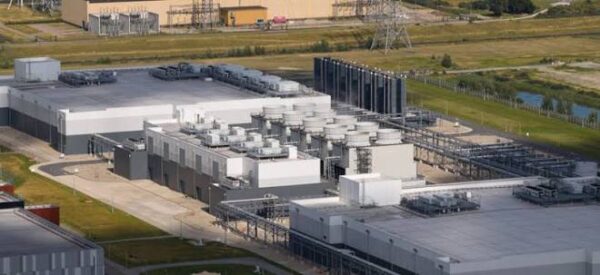
Project Fact Sheet
Name: Google West Memphis Data Center Campus Expansion and Energy Infrastructure Programme.
Location: West Memphis, Crittenden County, Arkansas, United States.
Owner and technology investor: Google, part of Alphabet Inc.
Original investment: $4 billion in Arkansas, announced in October 2025.
Additional infrastructure investment: Approximately $600 million in planned investments and power purchase commitments under the second phase.
Customer savings: At least $500 million in additional savings over 20 years, starting in 2028.
Battery storage, Driver Solar: 1,000 megawatt-hours, expected operational in 2028.
Battery storage, Jones Mill: 400 megawatt-hours, expected operational in 2028.
Solar power procurement: 440 megawatts of alternating-current capacity through the Big Island solar facility.
Electrical infrastructure: Expansion of the Galet substation and construction of two 230-kilovolt transmission lines.
Supporting generation and storage: Arkansas Cypress Solar and Battery facility in Jefferson County, plus the wider regional renewable energy programme.
Combined additional resources: More than 1,000 megawatts of solar generation and 2,800 megawatt-hours of dispatchable battery storage.
Original project announcement: October 2, 2025.
Expanded partnership announcement: October 19, 2026.
Expected energy infrastructure milestones: Battery storage systems scheduled for 2028.
Project purpose: Support data center expansion, improve grid reliability and increase renewable energy capacity.
Funding structure: Google will cover the planned infrastructure investment and associated power purchase commitments.
Regulatory context: Arkansas Public Service Commission oversight of utility arrangements and electricity resource planning.
Project Team
Data center developer and technology investor: Google, responsible for the West Memphis campus investment and associated energy commitments.
Parent company: Alphabet Inc., Google’s corporate parent.
Electricity utility and infrastructure partner: Entergy Arkansas, responsible for utility infrastructure planning, grid upgrades and integration of the new electricity resources.
Utility leadership: Laura Landreaux, president and CEO of Entergy Arkansas.
Solar and energy storage development partner: Cypress Creek Energy, collaborating with Google on the Steel River Energy Center.
Renewable energy procurement partner: Big Island solar facility, providing solar power through the planned 440-megawatt purchase agreement.
Grid infrastructure: Entergy Arkansas, overseeing the Galet substation expansion and two new transmission lines.
Battery storage locations: Driver Solar near Osceola and Jones Mill near Hot Springs.
Regulatory authority: Arkansas Public Service Commission, overseeing applicable utility regulatory proceedings.
Community investment partner: West Memphis Energy Impact Fund, supporting local energy affordability, efficiency and workforce development initiatives.

Leave a Reply