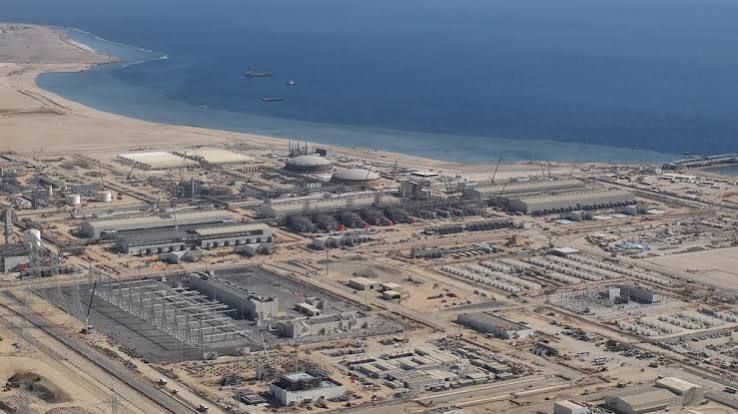
The NEOM green hydrogen plant has been completed at Oxagon in Saudi Arabia, marking a major milestone for large-scale clean-energy infrastructure. The $8.4 billion project has now entered commissioning, with energization underway across the integrated facility. Commercial product availability remains targeted for 2027.
The development will produce up to 600 tones of carbon-free hydrogen daily once fully operational. It will then convert the hydrogen into green ammonia for international markets.
NEOM Green Hydrogen Plant moves into commissioning
The project combines renewable generation, electrolysis, hydrogen processing and ammonia production. Its design integrates these systems into one large industrial complex.
The facility will draw power from approximately 4 GW of dedicated renewable generation. This includes 2.2 GW of solar capacity and 1.6 GW from 257 wind turbines.
The renewable assets will supply electricity to the hydrogen production system. Electrolysers will then use renewable electricity to split water into hydrogen and oxygen.
It uses thyssenkrupp technology for its electrolysis system. ACWA Power says the facility will produce 600 tonnes of hydrogen daily after commissioning.
Construction reached 80% completion across all sites during early 2025. NEOM Green Hydrogen Company (NGHC) later reported 90% overall completion across the project.
The latest project update now places the development in final construction completion. It also confirms that commissioning has started alongside energization.
This transition represents a significant change from physical construction to operational testing. Engineers must now verify the performance of interconnected systems before commercial production begins.
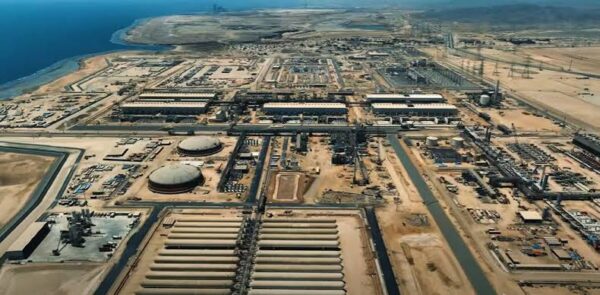
NEOM Green Hydrogen Plant integrates 4 GW renewable power
The renewable-energy infrastructure forms the backbone of the plant. The development combines solar generation with a large wind installation.
The solar facility will provide approximately 2.2 GW of generation capacity. Meanwhile, 257 wind turbines will provide approximately 1.6 GW.
The combined renewable capacity will reach about 4 GW. Transmission infrastructure will then deliver electricity to the hydrogen production facilities.
This configuration allows the project to produce hydrogen using dedicated renewable electricity. It therefore avoids the fossil-fuel-based electricity typically associated with conventional hydrogen production.
The facility will also produce nitrogen through air separation before combining it with hydrogen. This process will produce green ammonia for export.
At full production, the complex will produce up to 1.2 million tones of green ammonia annually. Air Products holds an exclusive 30-year offtake agreement for the project’s ammonia output.
Ammonia provides an important transportation pathway for the project. Pure hydrogen remains difficult to transport and store at large scale.
Converting hydrogen into ammonia allows the project to ship renewable energy products through established maritime infrastructure. The project therefore connects Saudi renewable generation with international industrial markets.
Construction completion positions the project for 2027 production
The NEOM green hydrogen plant reached financial close in May 2023 at a total investment value of $8.4 billion. Its financing included $6.1 billion in non-recourse financing from 23 banks and financial institutions.
Air Products serves as the project’s primary engineering, procurement and construction contractor. It also acts as system integrator and ammonia offtaker.
ACWA Power, Air Products and NEOM each hold an equal stake in NEOM Green Hydrogen Company. The joint venture develops and owns the facility.
Larsen & Toubro has handled major renewable-energy and transmission packages. Its work includes solar generation, wind infrastructure, battery storage and grid systems.
The project also includes a 400 MWh battery energy storage system. Furthermore, its transmission network connects the renewable assets with the industrial facilities.
The current commissioning phase will test equipment and integrated operating systems. Product availability remains scheduled for 2027, according to NGHC.
The development could also support Saudi Arabia’s broader economic diversification strategy. It aims to establish the Kingdom as a major producer of renewable hydrogen and green ammonia.
However, the project’s ultimate performance will depend on successful commissioning and sustained operation. The transition from completed construction to commercial production therefore remains the next major milestone.
Saudi Arabia is also advancing another large green-hydrogen development at Yanbu. The Yanbu green hydrogen project has progressed beyond the discussions reported in 2025, with ACWA Power awarding FEED work and later signing an agreement with Larsen & Toubro for the renewable-energy and grid package.
The project is planned to combine 5GW each of solar and wind capacity with up to 4.4GW of electrolysers. It could produce 400,000 tonnes of green hydrogen annually and convert it into 2.5 million tonnes of green ammonia.
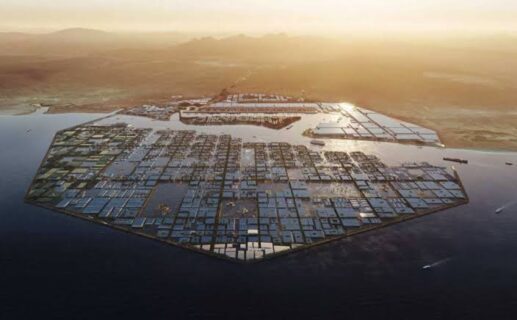
Project fact sheet
Project: NEOM Green Hydrogen Plant
Location: Oxagon, NEOM, Saudi Arabia
Investment: $8.4 billion
Capacity: 600 tones of hydrogen per day
Renewable power: 4 GW solar and wind
Electrolyser: 2.2 GW
Green ammonia: 1.2 million tones annually
Current status: Construction in final completion; commissioning underway
First product: Expected in 2027
Emissions reduction: Up to 5 million tones of CO₂ annually
Project team
Developer and owner: NEOM Green Hydrogen Company
Project partners:
- ACWA Power
- Air Products
- NEOM
EPC contractor and system integrator: Air Products
Renewable-energy and grid contractor: Larsen & Toubro
Electrolyser technology: thyssenkrupp nucera
Green ammonia offtaker: Air Products


Leave a Reply