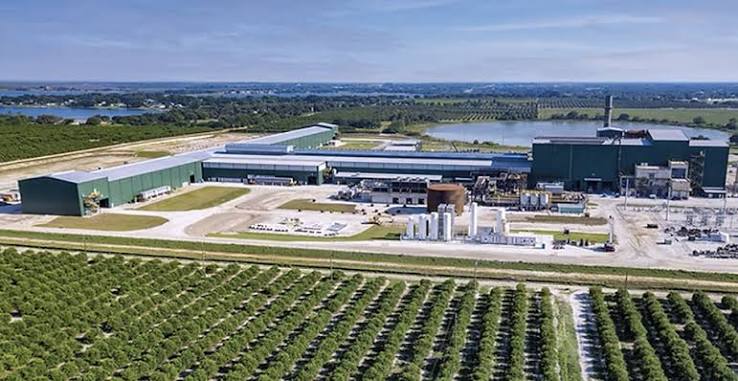
The Collie renewable steel mill project in Western Australia will mark a major shift in Australia’s construction materials industry, combining scrap-steel recycling with electricity sourced entirely from renewable energy. Generation Steel plans to invest A$850 million, approximately $560 million, in an electric arc furnace facility designed to produce construction steel while reducing manufacturing emissions. The development will also represent Australia’s first new steel mill in more than 35 years, creating a new industrial opportunity for Collie as the region transitions away from coal.
The project gained momentum after Generation Steel signed a power purchase agreement with mining company BHP. The agreement will supply renewable electricity from the Flat Rocks wind farm and Merredin solar farm, supporting the mill’s planned operations from 2029.
Collie Renewable Steel Mill to Produce 450,000 Tonnes Annually
The proposed facility will use electric arc furnace technology to transform Australian scrap steel into reinforcing bar, wire rod and merchant bar. These products support residential construction, commercial buildings, bridges and other infrastructure developments.
Generation Steel targets annual production of 450,000 tonnes of reinforcing steel. Meanwhile, the mill expects to process substantial volumes of scrap metal currently exported from Western Australia.
The facility will require approximately 250,000 megawatt-hours of electricity annually. Consequently, its renewable energy supply will play a central role in determining production costs and emissions performance.
The company expects the mill to achieve emissions intensity of approximately 272 kilograms of carbon dioxide equivalent per tonne of steel. This target would position the facility among the lower-emissions reinforcing steel producers globally. However, the reported figure remains a project target rather than an independently verified operational result.
Australia’s investment in industrial infrastructure also extends to warehouse and logistics developments supporting businesses across Victoria. In Geelong, the Wilmac Corio Industrial Park was developed to provide modern industrial warehouse space near the Geelong Ring Road, with facilities designed for businesses requiring storage, office space and efficient freight access.
While the Collie steel mill focuses on domestic steel production using renewable electricity, the Corio development highlights the continuing need for industrial property to support Australia’s manufacturing, distribution and construction sectors.
Collie Renewable Steel Mill Advances Through Renewable Energy Agreement
The power purchase agreement with BHP represents a significant development for the project. It will connect steel production with existing wind and solar generation rather than relying entirely on fossil-fuel-based electricity.
Specifically, the agreement draws electricity from the Flat Rocks wind farm and Merredin solar farm. BHP will redirect capacity associated with previously planned nickel operations that the company has abandoned, at least for now.
The renewable electricity contracts are expected to commence in 2029. This timing coincides with the anticipated closure of Collie’s remaining state-owned coal-fired generators, although one privately owned coal unit may continue operating temporarily.
Furthermore, the development aligns with Collie’s economic transition towards new industries. The town has traditionally depended on coal mining and coal-fired electricity generation. Therefore, the steel mill could help establish manufacturing activity as the regional energy sector changes.
The project has already secured important regulatory milestones. Western Australia’s Department of Water and Environmental Regulation granted works approval in August 2024. The Commonwealth subsequently approved the project under environmental legislation in April 2025, subject to conditions.
Nevertheless, the renewable power agreement does not establish that construction has started or that the mill has reached a final investment decision. Generation Steel’s published investor information identifies detailed engineering, cost estimates and construction scheduling as important steps towards that decision.
Once operational, the facility could strengthen domestic access to reinforcing steel while supporting scrap-metal recycling. Its performance will depend on construction delivery, reliable electricity supply and the company’s ability to achieve its production and emissions targets.
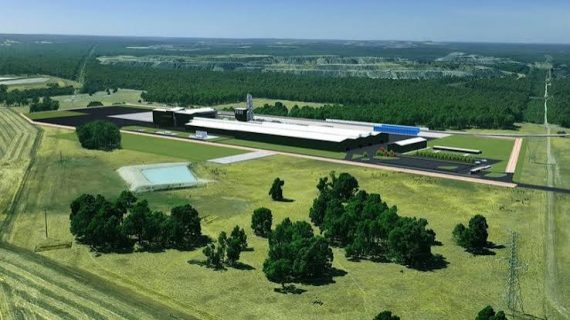
Project Fact Sheet
Name: Collie Green Steel Mill.
Type: Green steel recycling and manufacturing facility.
Location: 154 Boys Home Road, Palmer, near Collie, Western Australia.
Developer: Generation Steel, formerly known as Green Steel of WA.
Estimated investment: A$850 million, approximately US$560 million, based on an indicative exchange rate.
Production technology: Electric arc furnace steelmaking.
Planned annual output: Approximately 450,000 tonnes of reinforcing steel.
Principal products: Reinforcing bar, wire rod and merchant bar.
Electricity supply: Renewable power sourced from the Flat Rocks wind farm and Merredin solar farm.
Power agreement: Power purchase agreement with BHP.
Estimated annual electricity demand: Approximately 250,000 MWh.
Target emissions intensity: Approximately 272 kg CO₂e per tonne of steel.
Regulatory status: State works approval and Commonwealth environmental approval granted, subject to applicable conditions.
Expected renewable electricity supply commencement: 2029.
Construction status: Proposed development; a final investment decision and construction commencement are not confirmed by the cited sources.
Project Team
Developer: Generation Steel.
Renewable electricity supplier and power purchase agreement partner: BHP.
Wind power source: Flat Rocks Wind Farm.
Solar power source: Merredin Solar Farm.
Technology and equipment partner: Danieli Group, identified in the developer’s project information.
Environmental and engineering consultant: GHD, which supported the project’s approval process.
State environmental regulator: Western Australia’s Department of Water and Environmental Regulation.
Planning authority: Western Australian regional development assessment authorities and relevant local planning bodies.
Local government authority: Shire of Collie.

Leave a Reply