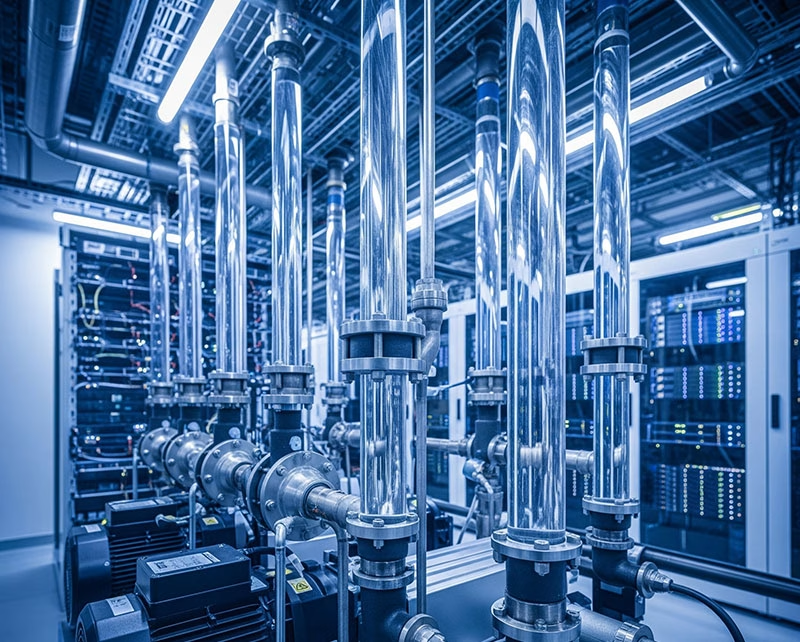
The AI boom has sparked a serious water availability crisis for data centers across the globe. These computing facilities generate massive amounts of heat, and cooling them consumes millions of gallons of water every single day. In dry areas, this heavy water demand is straining local reservoirs and competing directly with domestic drinking water supplies. Local communities and regulators are fighting back. Towns are blocking new construction permits, while several states are introducing strict limits on high-volume industrial water use.
In response to public pushback, major tech companies are shifting away from traditional water evaporation cooling. Many operators are pivoting toward direct-to-chip liquid cooling and closed-loop systems. Others are using recycled municipal wastewater so they do not drain local freshwater sources. While these dry and liquid technologies reduce water consumption, they are often more expensive to install and require additional grid power. Developers are now forced to weigh water conservation against rising operational costs.
Other Challenges Affecting Data Centers
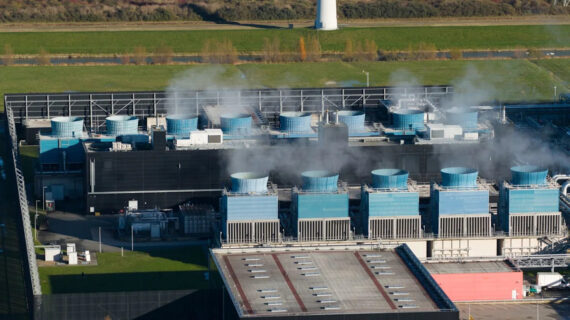
Other than water, data centers are also facing power crisis. This combined resource crisis illustrates how environmental and grid limitations can completely halt hyper-scale AI developments. Project Lighthouse is a prime example of this growing industry challenge. While Vantage Data Centers plans to use closed-loop cooling to avoid direct water depletion at the Port Washington campus, the facility remains entirely helpless without grid power. Pushing data centers toward air-cooling or closed-loop technologies reduces water usage, but it significantly increases electricity demands. As a result, projects like Lighthouse end up locked in a trade-off: saving local water supplies puts even greater stress on regional transmission lines. When regulatory roadblocks or grid capacity bottlenecks stall that incoming energy, even fully constructed and water-efficient facilities are left sitting completely idle.
September 19, 2025
As the global demand for digital services surges, data centers have become critical infrastructure. However, their environmental footprint—particularly their water consumption—has raised increasing concern. One of the most significant yet under-discussed issues is the massive volume of water used for cooling purposes in these facilities. As the industry scales to meet growing computational needs, the pressure it exerts on water resources has drawn scrutiny from environmentalists, regulators, and communities alike.
Why Data Centers Use Water
Data centers generate intense heat due to the continuous operation of servers and networking equipment. To prevent overheating, most data centers rely on sophisticated cooling systems. Among these, water-based cooling methods such as evaporative cooling and chilled water systems are prevalent because they are more energy-efficient than purely air-based alternatives.
In an evaporative cooling system, water is used to cool the air passing through servers. While effective at reducing energy usage, this method consumes substantial volumes of water—often millions of gallons per year for large hyperscale facilities.
The Scale of the Problem
According to EESI, a typical hyperscale data center can use up to 5 million gallons per day, equivalent to the water use of a town populated by 10,000 to 50,000 people.. This level of consumption becomes particularly troubling in regions prone to drought or already facing water scarcity. States like Arizona, Utah, and parts of California have witnessed public pushback against new data center developments over fears of water overuse.
In some cases, water withdrawals by data centers can strain local utilities, increase competition with residential and agricultural users, and degrade local ecosystems. This has led some municipalities to place limits or conditions on the development of new facilities.In a recent report released by the City of Racine Microsoft’s planned $3.3 billion data center in Mount Pleasant is projected to consume up to 8.4 million gallons of water annually underscoring the fears that surrounding communities have.
Responses and Innovations
In response to these concerns, the data center industry is exploring various strategies to reduce water dependence. Companies like Google and Microsoft have invested in advanced water recycling systems and the use of reclaimed water to lessen the demand on freshwater supplies. Some facilities are switching to air-cooled systems, particularly in cooler climates where such alternatives are viable year-round.
Liquid immersion cooling, a more recent innovation, involves submerging servers in thermally conductive but non-electrically conductive liquids. This method can dramatically reduce both water and energy usage, although adoption remains limited due to high infrastructure costs and compatibility challenges.
Additionally, operators are beginning to track and publicly report their water usage effectiveness (WUE), similar to how power usage effectiveness (PUE) became a standard benchmark for energy efficiency.
Balancing Growth with Responsibility
The data center industry’s continued growth appears inevitable. However, balancing this growth with environmental sustainability is essential. Stakeholders—from cloud providers to governments—must prioritize transparency, innovation, and regional suitability when planning future data center projects.
Water scarcity is a global issue, and in a warming world, its importance will only grow. Data centers must evolve to become smarter not just in computing power, but in how they manage the vital resources they consume. As digital infrastructure becomes the backbone of modern life, its alignment with environmental resilience will be a key test of long-term viability.

Leave a Reply