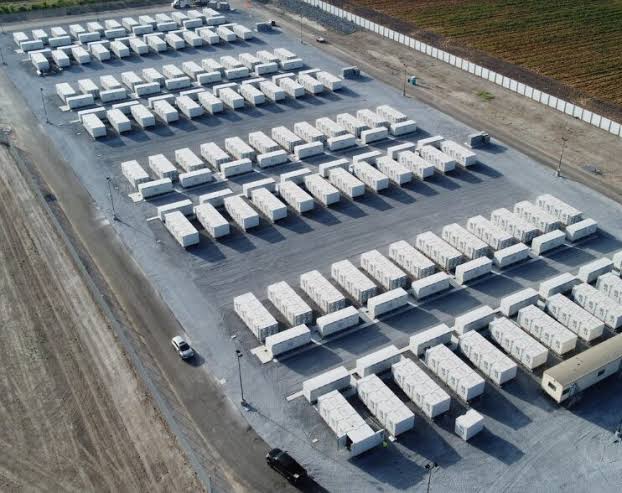
Construction has begun on the Flint Grid Project, a 1+ GWh battery energy storage system (BESS) in Jersey Township, Licking County, Ohio. Designed to deliver 200 MW of power with more than five hours of storage duration, the project will become the largest battery energy storage system built to date in both Ohio and the PJM Interconnection footprint, while supporting rising electricity demand from the rapidly expanding New Albany data center and industrial corridor.
Developed by Eolian, the Flint Grid Project is strategically located adjacent to one of the nation’s fastest-growing concentrations of hyperscale data centers and advanced industrial facilities. The project represents a significant investment in grid infrastructure intended to improve system reliability and increase the flexibility of the regional electricity network as demand continues to grow.
Flint Grid Sets Multiple Industry Milestones
In addition to its scale, the Flint Grid Project has achieved several firsts for both Ohio and the PJM market.
According to Eolian, it is the first large-scale battery energy storage system to qualify for the PJM capacity market and the largest battery storage project to clear PJM’s 2027–2028 Residual Capacity Auction, representing more than 50% of all new battery storage capacity cleared for that delivery year.
The project is also the first grid-scale battery energy storage system approved by the Ohio Power Siting Board, establishing an important regulatory precedent for future utility-scale energy storage developments across the state.
Supporting One of America’s Fastest-Growing Data Center Corridors
The Flint Grid Project is being constructed adjacent to the New Albany technology corridor, where hyperscale data centers and industrial developments continue to drive rapid growth in electricity demand.
Battery energy storage systems help strengthen grid reliability by responding within milliseconds to fluctuations in electricity supply and demand. They can provide flexible capacity during periods of peak demand, improve utilization of existing transmission infrastructure, and help integrate additional generating resources without requiring immediate expansion of transmission networks.
For rapidly growing data center markets, utility-scale battery storage provides another tool for maintaining grid stability while supporting the increasing power requirements of artificial intelligence computing and other energy-intensive industries.
Commercial Operations Planned for 2027–2028 Capacity Year
Eolian expects the Flint Grid Project to enter commercial operation before the start of the 2027–2028 PJM capacity year.
Beyond the project itself, the company said it continues collaborating with grid operators, regulators, and industry stakeholders on initiatives to expand battery energy storage participation in wholesale electricity markets. These efforts include improving capacity accreditation methodologies, developing new market products for energy storage, optimizing participation across multiple wholesale market segments, and demonstrating how strategically located battery storage can increase the effective capacity of constrained transmission corridors experiencing rapid load growth.
Once operational, Flint Grid will provide more than 1 GWh of energy storage capacity, delivering 200 MW of dispatchable power for over five hours to help balance electricity supply and demand across the regional grid.
As electricity demand from AI and hyperscale computing continues to accelerate, developers are investing in increasingly diverse energy strategies. Ohio’s largest battery storage project demonstrates how grid-scale storage can support existing transmission networks, while the proposed $100 billion AI data center campus at the DOE Paducah site is taking a different approach by planning 4.6 GW of dedicated on-site power to serve one of the nation’s largest AI infrastructure developments.
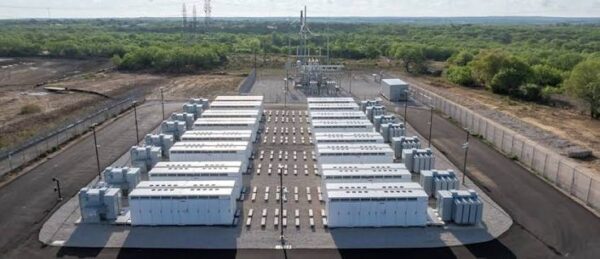
Project Factsheet: Flint Grid Battery Energy Storage System (BESS)
Location: Jersey Township, Licking County, Ohio
Developer: Eolian
Project Type: Grid-scale battery energy storage system (BESS)
Energy Capacity: More than 1 GWh
Power Capacity: 200 MW
Storage Duration: More than five hours
Construction Status: Construction underway
Commercial Operation: Before the 2027–2028 PJM capacity year
Key Milestones:
- Largest battery energy storage system built to date in Ohio
- Largest battery energy storage system built to date in the PJM footprint
- First large-scale battery energy storage system to qualify for the PJM capacity market
- Largest battery storage project to clear PJM’s 2027–2028 Residual Capacity Auction
- Represents more than 50% of all new battery storage capacity cleared for the 2027–2028 PJM capacity year
- First grid-scale battery energy storage system permitted by the Ohio Power Siting Board
Primary Purpose: Strengthen grid reliability, provide flexible capacity, and support growing electricity demand from the New Albany data center and industrial corridor.



Leave a Reply