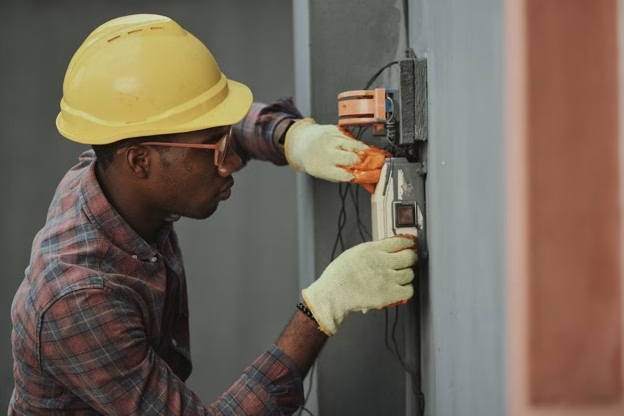
A flickering light or a power interruption can seem easy to dismiss during a busy workday. Yet overlooked electrical safety mistakes can put office equipment, uptime and people at risk, whether in an everyday workspace or a volatile environment. Preventing those disruptions starts with recognizing five common mistakes, then choosing practical precautions that match the space and its power needs.
1. Blocking Access to the Electrical Panel
Storage boxes and spare furniture can gradually crowd an electrical panel as an office changes. What starts as a convenient place for overflow soon becomes an obstacle for anyone trying to reach a breaker. Beyond delaying emergency access, the clutter leaves technicians less room for routine maintenance and puts combustible materials near electrical equipment.
For a single row of equipment, commercial inspection guidance specifies a minimum 3-foot clearance in front of it. The working space must also be at least 30 inches wide and 6.5 feet high, unless the equipment’s width or height requires more room.
Because some installations require more clearance, facilities staff should confirm the applicable dimensions before marking a boundary with hazard floor tape. Including the marked area in office walk-throughs helps prevent storage from creeping back into the working space.
2. Overloading Outlets and Circuits
Extra monitors and chargers often accumulate without anyone checking their combined demand on the circuit. Connecting a space heater alongside them may exceed the breaker’s capacity, prompting it to cut power as a protective response.
Although a power strip offers extra sockets, it still relies on the same circuit. A surge protector serves a different role by guarding electronics against voltage spikes rather than accommodating additional appliances.
Before expanding the setup, office managers can ask an electrician to assess the supply and recommend appropriate changes. Depending on the findings, larger appliances may need dedicated circuits to separate their demand from everyday workstation use.
3. Resetting a Tripped Breaker Without Investigating the Cause
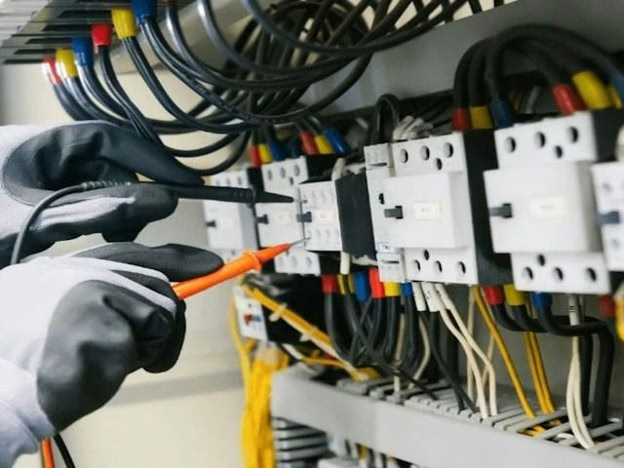
Under pressure to resume work, staff may reset a tripped breaker without first determining the cause. Even if power returns, repeated shutdowns need investigation before employees continue using the same setup. Removing a recently connected appliance may seem to resolve the problem, but it does not confirm the cause.
To help an electrician investigate, staff can record when each trip occurred and which devices were running at the time. Including recent equipment changes gives the professional a clearer picture of whether interruptions are associated with a particular appliance or occur during ordinary use. With that context, the assessment can move beyond recollections to a documented pattern.
4. Using Extension Cords as Permanent Wiring
A temporary desk move can leave an extension cord supplying a workstation months after the furniture settles into place. As that connection becomes part of the everyday setup, employees may tuck it beneath a rug or behind a cabinet to keep the area tidy, making its condition harder to monitor.
Out of sight, the cord may sustain damage from pressure or repeated foot traffic without anyone noticing. Worn insulation can expose staff to shock or fire hazards even while their equipment continues operating normally. Moving the cable into the open also requires caution because crossing a walkway creates a tripping hazard.
Instead of rearranging the cord again, facilities staff can ask an electrician to assess where permanent outlets would best serve the desks. Wall receptacles or floor boxes may suit different layouts. Incorporating that assessment into future office moves allows managers to plan connections before employees need them.
5. Ignoring Warm Outlets or Odd Smells
An outlet that feels unusually warm or emits a burning smell warrants attention, even if the connected equipment still works. In an older building, staff may dismiss other warnings such as flickering lights or buzzing sounds as familiar quirks, leaving a potential problem unreported.
The broader toll of electrical failures includes an estimated 8,000 electrical malfunction fires in nonresidential buildings during 2024, according to the U.S. Fire Administration. Those incidents caused approximately $697.4 million in property losses that year.
When a warning sign appears, employees should promptly notify building maintenance and leave the affected outlet or device unused until a qualified electrician inspects it. If smoke or fire develops, emergency procedures take priority over routine reporting.
How Volatile Environments Change Electrical Equipment Requirements
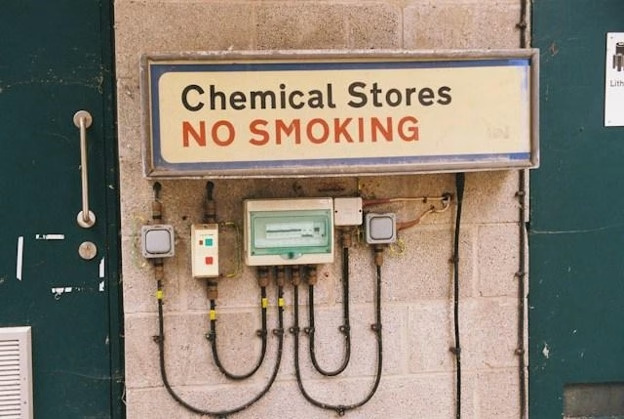
A switch or outlet can produce a small spark during normal use without causing trouble in an ordinary office setting. Around fuel storage or paint finishing, however, the same spark may ignite a combustible mixture in the surrounding air.
Federal workplace rules cover locations where flammable liquids and vapors are present alongside combustible dust and other specified hazards. Because classification applies to individual rooms or areas, requirements can vary within a single building rather than follow a single standard throughout.
To establish what a particular area requires, managers should arrange a qualified specialist’s assessment before replacing equipment or extending wiring. The resulting specifications guide those choices more reliably than an enclosure’s sealed appearance alone can, which cannot confirm suitable protection for the location.
Positioning Generators Safely in Volatile Environments
When selecting backup power, managers need a generator capable of handling peak loads as demand rises suddenly. The site’s operating conditions also determine where the unit belongs, particularly when chemicals are stored or combustible dust is present.
For portable fuel-burning generators, federal consumer guidance specifies operation at least 20 feet away from structures outdoors to limit exhaust exposure. Even with automatic carbon monoxide shut-off protection, the exhaust must point away from doors, windows and vents.
This distance addresses poisoning risks rather than ignition hazards, so facilities staff should have qualified specialists determine appropriate separation from flammable materials. Recording and marking approved positions in the site safety plan gives whoever sets up the generator clear instructions before an outage creates pressure to improvise.
Protecting the Office From Preventable Electrical Risks
An office shouldn’t have to wait for damaged equipment or an interrupted workday to take an electrical concern seriously. Whether the setting involves everyday workspaces or volatile environments, following a problem through to a proper resolution gives safety the same priority as keeping operations moving, even when the equipment still appears to work.