Construction projects involve many moving parts, and keeping everyone informed can become a challenge as work progresses. Clients, architects, investors, contractors, and other stakeholders may not always be able to visit the job site regularly. Written updates and photographs can provide useful information, but they do not always capture the full picture of what is happening on site.
Video offers construction companies another way to communicate progress. A well-planned project video can show completed work, document important milestones, explain changes, and give stakeholders a clearer understanding of how the project is developing.
Show Progress Beyond Still Photos
Construction photography is useful for documenting specific areas of a project, but video can provide greater context. A short walkthrough can show how different parts of the site connect, how work has progressed since the previous update, and which areas are currently receiving attention.
For example, a monthly progress video could begin with an exterior view of the project before moving through completed areas, active work zones, and upcoming stages. This creates a visual record that is easier for someone outside the job site to understand.
The goal does not need to be producing a polished commercial. Even a straightforward, well-organized progress video can make project communication more effective.
Give Clients a Better View of the Project
Clients may have limited opportunities to visit a construction site, particularly when projects are located far from their offices or homes. Regular video updates can help bridge that gap.
Instead of receiving an email saying that framing has been completed or mechanical work is underway, a client can see the progress for themselves. A project manager can also use the video to point out specific details and explain what has changed since the previous update.
This can make progress reports more tangible and give clients a better sense of how the finished project is taking shape.
Explain Complex Construction Work
Some construction activities are difficult to explain through text alone. A written report might describe the installation of a building system, structural reinforcement, or changes to a particular area, but the explanation may still leave questions.
Video allows project teams to combine visual demonstrations with narration. A superintendent, project manager, architect, or engineer can explain what viewers are seeing while the camera shows the relevant work.
This approach can be particularly helpful when communicating with stakeholders who are not involved in the technical details of construction every day.
Document Important Milestones
Construction projects contain dozens of milestones worth documenting. These can include groundbreaking, foundation work, structural completion, installation of major systems, exterior completion, and final finishes.
Creating videos around these milestones provides a chronological record of the project. Over time, these individual updates can become a visual timeline showing how the site developed from an empty lot or early construction phase into a completed building.
This documentation can also be useful after the project is finished. Construction companies may use selected footage for internal training, project archives, case studies, or future presentations.
Make Remote Communication More Efficient
Modern construction projects frequently involve stakeholders working from different locations. Architects may be working from another office, owners may live in another state, and investors may never visit the site in person.
Video can make remote communication more efficient by reducing the distance between the job site and the people responsible for making decisions.
For companies investing in professional Construction Video Production, the footage can be planned around specific communication goals rather than simply recording general activity. This may include documenting completed work, highlighting potential issues, or creating a guided walkthrough for a remote meeting.
Use Drone Footage When Appropriate
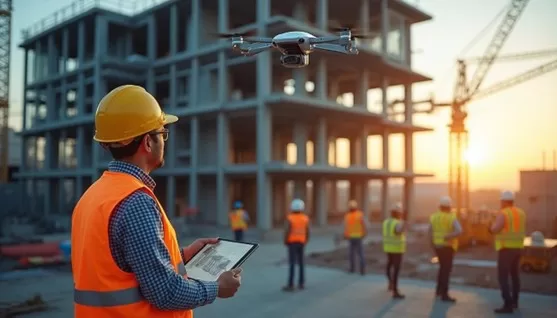
Aerial video can provide another perspective on construction progress. Drone footage can show the overall footprint of a project, surrounding site conditions, access points, landscaping, and changes to the property over time.
For larger developments, an aerial perspective can make it easier to understand the relationship between different structures and areas of the site.
However, drone footage should be used purposefully. A few well-chosen aerial shots can provide useful context without turning a progress update into a collection of disconnected cinematic shots. Construction companies should also ensure that drone operations comply with applicable regulations and site safety requirements.
Create a Consistent Update Schedule
One of the most effective ways to use video for project communication is to establish a consistent schedule.
A company might record updates weekly, biweekly, or monthly depending on the size and pace of the project. Each video can follow a similar structure, such as:
- Current project status
- Recently completed work
- Work currently underway
- Notable changes or issues
- Upcoming milestones
Consistency makes it easier for stakeholders to compare one update with another. It also creates a reliable record of the project’s development.
Keep Stakeholders Focused on What Matters
More footage does not necessarily mean better communication. Construction sites are busy environments, and an unstructured video can quickly become difficult to follow.
Before recording, project teams should identify the most important information stakeholders need to know. If the purpose of the video is to demonstrate structural progress, the footage should focus on structural elements. If the update concerns interior finishes, the camera should guide viewers through those areas instead.
Adding simple narration, labels, dates, or location references can also help viewers understand what they are seeing.
Turn Progress Videos Into Long-Term Assets
The value of construction video does not have to end when a project reaches completion. A well-documented project can provide useful marketing and communication material for the future.
With appropriate client permissions, selected footage can become part of a company’s portfolio. Construction businesses can use completed project videos to demonstrate their capabilities to prospective clients, support proposals, or provide visual examples of previous work.
The same footage may also help tell the story of a project in a case study. Showing the transformation from early construction through completion can communicate the scale and complexity of the company’s work more effectively than a few finished photographs.
Better Communication Starts With Better Documentation
Construction companies already produce large amounts of project documentation. Video can complement existing reports, photographs, drawings, and meetings by providing another way to communicate what is happening on site.
When used consistently and with a clear purpose, video can help clients and stakeholders understand progress, follow important milestones, and stay connected to projects they cannot regularly visit.
The most effective construction videos are not necessarily the most elaborate. They are the ones that answer the right questions, show meaningful progress, and give viewers a clear understanding of where a project stands and where it is going next.
About the Contributor
Vourly is a Bellevue, Washington-based video production and photography company specializing in visual content for construction, real estate, architecture, and other businesses. The company helps clients document projects and communicate their work through professional photography, video, and drone services.