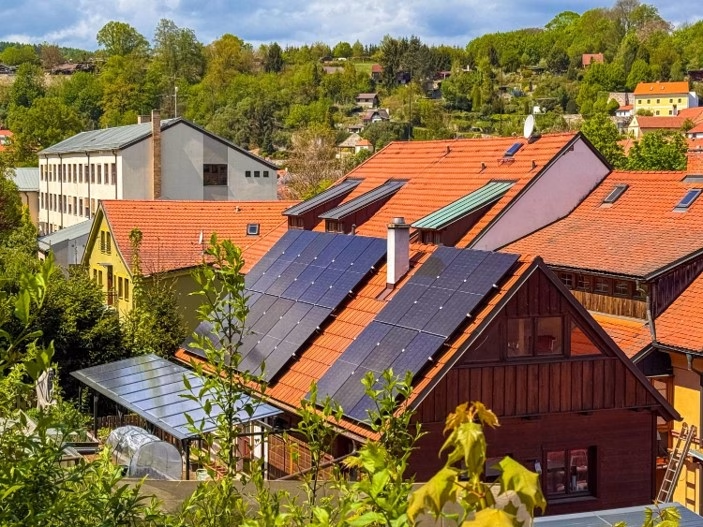
For a long time, rooftop solar in British Columbia was a niche choice. The province runs mostly on hydroelectric power, electricity rates have been modest compared with many parts of North America, and the coast is famous for grey winters. Plenty of homeowners assumed solar simply did not make sense here.
That view has shifted. More BC homes now have panels on the roof, batteries in the garage and an EV charger by the driveway. At the same time, the rules that shape how home systems connect to the grid have changed in 2026. For builders, electrical contractors and homeowners, it is worth understanding what is driving the change and how the new rules affect the way systems are designed.
Why Solar Is Gaining Ground on BC Homes
Several things have come together at once.
Panel and inverter prices have dropped over the past decade, which has made a typical home system more reachable. Electrification is also adding load to houses. Heat pumps are replacing gas furnaces, induction cooktops are replacing gas ranges, and electric vehicles are replacing trips to the gas station. Each of those moves puts more demand on a household’s electricity bill, which makes generating some power on site more attractive.
Resilience is another factor. Storms on the coast and in the Interior can knock out power, and many homeowners now want at least some backup for essentials like the fridge, a furnace fan, internet and a well pump.
Solar production in BC is very seasonal. Long summer days can produce far more than a home uses, while December output on the coast is low. A well-designed system takes that pattern into account rather than assuming steady output all year.
From Net Metering to a New Self-Generation Rate
BC Hydro serves most of the province, although some areas, including parts of the Southern Interior, are served by FortisBC or municipal utilities with their own rules. For BC Hydro customers, 2026 brought a real change.
For years, the utility’s net metering program let homeowners bank surplus solar energy as kilowatt-hour credits and use them later. That program has now closed to new customers. A new self-generation rate took effect on July 1, 2026, following a decision by the BC Utilities Commission. Under the new approach:
- Excess electricity sent to the grid earns a set credit per kilowatt-hour at the time it is exported, rather than being banked as energy for later
- Credits apply to energy charges, not to fixed charges like the basic charge
- Customers already on net metering can generally stay on that rate for a set period from their start date, after which they move to the new rate
BC Hydro has also updated its solar and battery rebate programs, and since June 2026 new residential rebate applications have required the work to be done by a contractor in the Home Performance Contractor Network. Rebate amounts and eligibility rules have changed more than once, so homeowners should check the current details directly with the utility before signing a contract.
What the Rule Change Means for System Design
When exported power earns a fixed credit instead of being banked for later, the value of using solar energy inside the home goes up. That pushes design decisions in a few directions:
| Design choice | Why it matters more now |
| Sizing to the home’s real usage | Oversizing for export is less attractive |
| Battery storage | Stores daytime surplus for evening use |
| Load shifting | Running EV charging, hot water or laundry during sunny hours |
| Smart controls | Help match production and consumption |
Batteries in particular are moving from a backup luxury to a core part of many systems. A battery lets a home soak up midday production and draw it down in the evening, while also keeping key circuits running in an outage. Pairing panels with an EV charger works in a similar way, since a car parked at home during the day can take in solar energy directly.
On Vancouver Island, companies such as Oceanvolt Solar & EV design and install home solar, battery backup and Level 2 EV charging across Greater Victoria and up-Island, which reflects how often homeowners now want all three planned together rather than added one at a time.
Permits, Interconnection and Installation Basics
A residential solar project in BC involves more than mounting panels. Typical steps include:
- A site assessment covering roof condition, orientation, shading and electrical panel capacity
- System design and equipment selection
- Electrical permits and inspection through Technical Safety BC or the local authority
- An interconnection application to the utility
- Installation, final inspection and meter changes before the system goes live
Roof age deserves attention. If shingles are near the end of their life, replacing them before solar goes up usually saves money and hassle later. Panel upgrades are also common, especially in older homes adding heat pumps and EV chargers at the same time.
A Shift in How BC Homes Use Power
Residential solar in BC is no longer just about selling power back to the grid. It is becoming one part of a wider home energy setup that includes heat pumps, batteries, EV charging and smarter controls. The 2026 rule changes have made careful design more important, but they have not taken away the core benefits of producing clean power on your own roof.
For homeowners, the best next step is to gather a year of electricity bills, look at future plans like an EV or heat pump, and talk to a licensed installer about a system sized for real needs. Confirm current utility rates and rebate rules before committing, since program details in BC have been changing quickly.