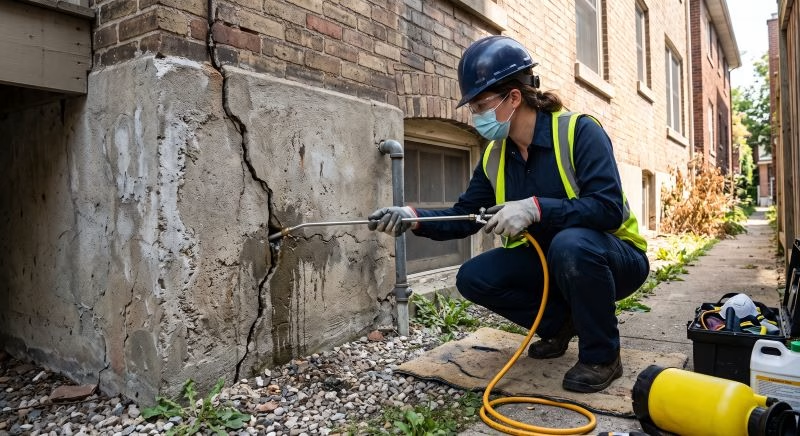
Construction professionals spend their days thinking about structural loads, timelines, and code compliance, but pest activity rarely gets the same attention until it becomes a costly problem. For readers of this publication who manage job sites, oversee material storage, or coordinate subcontractors, pests are an operational risk that belongs in the same conversation as weather delays and supply chain disruptions. An infestation that takes hold during the framing or rough-in stage can compromise insulation, wiring, and wood members long before a building ever reaches final inspection.
Site managers in South Florida face a particularly aggressive pest environment, with warm, humid conditions that support year-round insect and rodent activity rather than the seasonal lulls seen in cooler climates. Projects located near wetlands, canals, or older infrastructure are especially vulnerable to termite colonies and rodent migration from surrounding vegetation. Partnering early with a qualified Boynton Beach pest control provider gives project teams a local resource that understands regional pest pressures and can build a prevention plan around the specific risks of the area, rather than applying generic national guidance to a site with unique environmental conditions.
Pre-Construction Site Assessment: Identifying Local Pest Threats and Vulnerabilities
Every effective prevention strategy starts before the first shovel hits the ground. A thorough site assessment should map out nearby water sources, vegetation lines, and any existing structures that could harbor termites, rodents, or ants before construction begins. Soil composition matters too, since sandy or moisture-retentive soils common in coastal regions can be more hospitable to subterranean termite colonies than drier inland sites. Site managers who skip this step often end up discovering pest pressure only after framing is complete, when remediation becomes far more disruptive and expensive.
Assessment should also include a review of historical pest activity in the surrounding area, including any neighboring properties with known infestations or recent treatment history. Local pest control professionals often have records of regional hot spots and seasonal patterns that general contractors would not otherwise have access to. Building this information into the pre-construction planning phase allows teams to adjust grading, drainage, and material staging decisions in ways that reduce pest vulnerability from day one rather than reacting to problems after they surface.
Daily Prevention Habits: Sanitation, Waste Management, and Site Cleanliness Routines
Construction debris, food waste from crew breaks, and standing water in equipment or materials create exactly the conditions pests need to thrive. Establishing a daily cleanup routine that clears food scraps, seals trash receptacles, and removes construction debris at the end of each shift can meaningfully reduce the attractants that draw rodents and insects onto a site. Crews should also be trained to flatten and dispose of cardboard promptly, since corrugated material is a favored nesting and breeding ground for cockroaches and rodents alike.
Standing water deserves particular attention, especially during Florida’s rainy season when puddles form quickly around equipment, trenches, and uneven grading. Mosquitoes and other moisture-dependent pests can establish breeding sites within days of water accumulating, so site managers should incorporate drainage checks into their daily walkthrough routines. According to Basc, every pest requires food, water, and shelter to survive, which means builders who apply an integrated pest management approach, combining air sealing, moisture control, pest-resistant materials, and physical barriers, can make a structure far less hospitable to infestation before it ever becomes occupied.
Physical Barriers and Material Selection: Sealing Entry Points and Using Pest-Resistant Building Materials
Prevention becomes part of the building itself when site managers prioritize pest-resistant materials and sealing techniques during construction rather than treating them as an afterthought. Steel mesh termite barriers, treated lumber, and properly sealed utility penetrations all reduce the pathways pests use to enter a structure. Gaps around pipes, conduits, and foundation joints should be sealed with pest-rated materials during the rough-in phase, since these small openings are often the first entry points rodents and insects exploit once a building is enclosed.
Foundation design also plays a meaningful role in long-term pest resistance, particularly in regions prone to termite activity. Slab-on-grade construction with properly installed termiticide treatment and physical barriers offers significantly better protection than foundations where these measures are overlooked or applied inconsistently. The table below illustrates why this level of attention matters, given the scale of damage pests cause nationally each year.
| Statistic | Figure |
| Annual Termite Damage (U.S.) | $5 billion in residential property damage; $30 billion in crops and infrastructure |
| Homes Infested by Termites Annually | Approximately 600,000 U.S. homes |
| Rodent Infestations (Winter) | Approximately 21 million U.S. homes infested each winter |
| Homeowners with Structural Damage from Pests | 46% of surveyed homeowners reported structural damage from previous infestations |
| Ant Infestations (Annual Prevalence) | 56% of American homeowners report an ant problem within any given year |
Ongoing Monitoring and Professional Collaboration: Detecting Early Signs and Maintaining Long-Term Protection
Even the best prevention plan needs regular monitoring to stay effective throughout the life of a project. Site managers should schedule periodic inspections that check for mud tubes along foundations, droppings near storage areas, and chewed materials that signal early pest activity. Catching these signs during the construction phase, rather than after a building is occupied, allows for targeted intervention before pests establish themselves in wall cavities or structural members where they are far harder to remove.
Working with a professional pest control partner throughout the build, not just at the final walkthrough, keeps prevention efforts consistent as the site evolves from foundation to framing to finishing. These partnerships typically include scheduled inspections, documentation for building owners, and rapid response protocols if an issue does arise. While remediation services remain available for cases that slip past prevention efforts, the stronger long-term approach for any site manager is to treat pest control as an ongoing collaboration woven into the construction schedule, rather than a service called in only after damage has already occurred.