On a construction project, a late delivery rarely stays a small problem. A missing consignment of steel, cladding or M&E equipment can hold up trades, push back the programme and add cost. Getting materials to site on time takes more than booking a vehicle. Site access, offloading arrangements, paperwork and traffic all affect when a load arrives. Road freight forwarders help contractors, suppliers and developers coordinate transport so deliveries fit the schedule on site.
What Causes Delays in Road Freight to Construction Sites?
Construction deliveries face their own obstacles, so it pays to identify them at the planning stage. Common causes include:
- Materials not ready for collection at the supplier or yard
- Vehicles arriving outside the agreed site delivery window
- Incorrect or incomplete site address or access details
- Lack of offloading equipment or trained personnel when the vehicle arrives
- Poor communication between suppliers, site managers, drivers and receiving teams
- Border issues on international shipments, or road conditions and restrictions that change the route
Most of these can be avoided by checking the transport plan before collection.
Practical Ways to Improve Road Freight Efficiency on Construction Projects
-
Plan Collection and Delivery Around the Site Programme
A realistic timeline accounts for loading time, travel distance, traffic and the site’s working hours. Many sites have restricted delivery windows, limited space for waiting vehicles, or neighbours and local authorities that limit when heavy vehicles can arrive. Rushing the process causes problems if materials aren’t ready or the site can’t receive the load.
Effective road freight transportation services for businesses should be planned around both collection and delivery. Giving the supplier, driver and site team the same exact times avoids misunderstandings and keeps vehicles from queuing at the gate.
-
Prepare Documents Before Collection
Paperwork is a critical part of the process, especially when goods cross borders. The documents needed depend on the cargo, the route and the regulations that apply.
Before collection, make sure the shipment documents, delivery addresses and customs clearance paperwork are complete. Confirm whether the site needs anything in advance, such as delivery booking references, site contact details or driver induction requirements.
For international road transport, further documents for border crossings may be needed. It’s wise to establish the required processes before the shipment leaves.
-
Use Suitable Vehicles and Offloading Arrangements
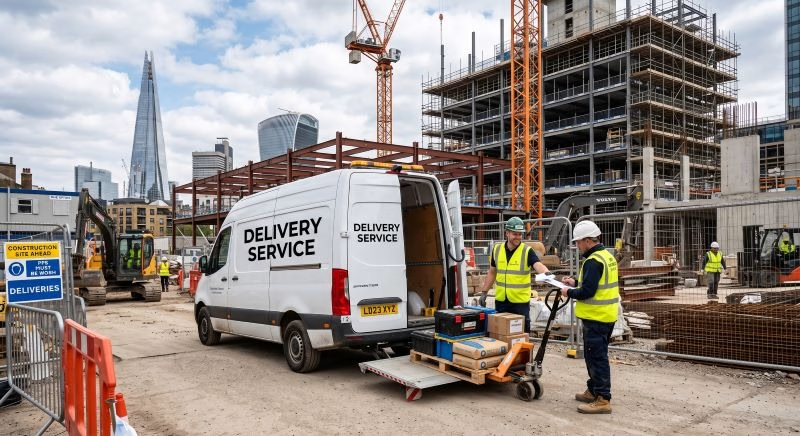
The vehicle must suit the size, weight and handling needs of the cargo. Construction loads often include long, heavy or awkward items such as structural steel, precast elements, pipework, plant and machinery. The wrong vehicle can cause problems at loading, on the road and at the site gate.
Road freight services for UK domestic and international shipments should be designed around the characteristics of each load. Fragile, oversized or temperature-sensitive materials need special care, and you should confirm early how the load will be offloaded on site, whether by forklift, crane or hiab.
Telling the transport provider about cargo characteristics, site access restrictions and offloading equipment in advance lets them prepare properly.
Conclusion
Careful road transport planning helps construction businesses keep materials arriving when the programme needs them and reduces avoidable disruption. Preparing shipment documents, matching the vehicle to the load and confirming site access and offloading all affect how smoothly a delivery goes. Professional road freight forwarders can coordinate shipments around your cargo and routes.
FAQs
What is the function of road freight forwarders in construction?
Road freight forwarders coordinate the movement of materials, equipment and other goods by road to and from construction sites. The exact service depends on the load and the route.
What can be done to minimise road freight delays for construction projects?
Make sure documentation is in order and agree collection times, cargo details, site access arrangements and delivery windows with everyone involved.
Is road freight appropriate for international construction shipments?
Yes. Road freight can be arranged for international movements, depending on route availability, customs clearance processes and the type of cargo.
What information should be provided to arrange road transport?
Pick-up and delivery locations, size, weight, quantity, type of cargo and preferred delivery schedule are essential. For construction, also include site access restrictions and how the load will be offloaded.
How long does road freight transport take?
Transit time depends on distance, route, traffic, customs clearance, cargo requirements and the pick-up and delivery arrangements. A supplier can give you an estimate.