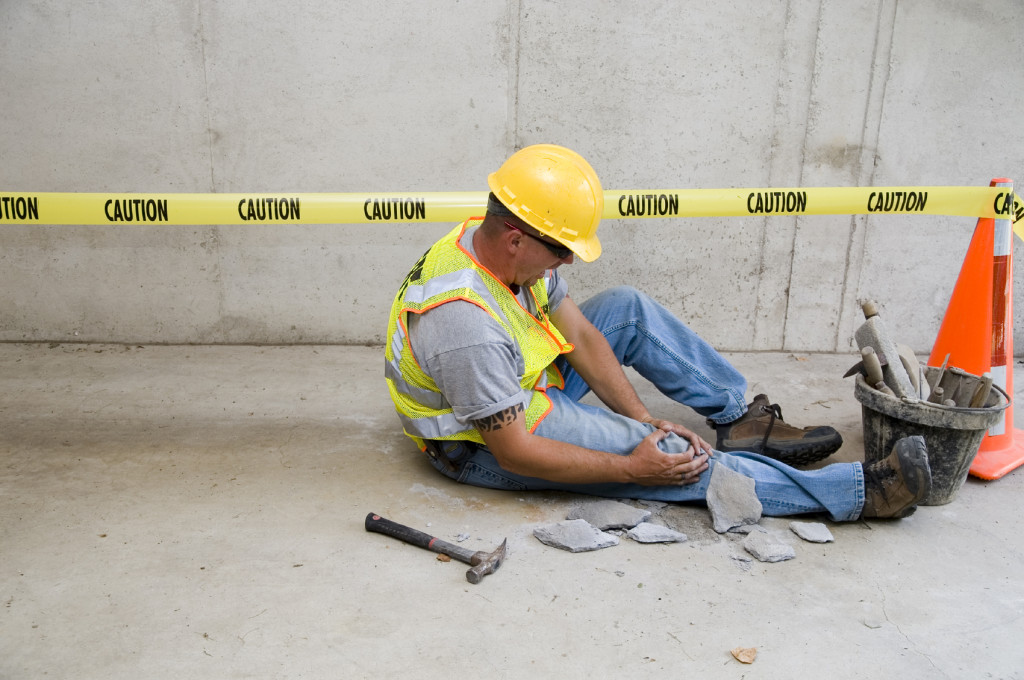
Staten Island, New York, is home to a busy network of residential, commercial, and public infrastructure projects that help support the borough’s continued growth. From waterfront developments and road improvements to new housing and renovation work, construction remains a major part of daily life for many local workers and families. While these projects create jobs and strengthen communities, they also place workers in environments where heavy machinery, elevated work areas, and changing site conditions pose serious risks.
When an accident occurs, the aftermath can feel overwhelming, especially when an injured worker suddenly faces medical concerns, missed income, and uncertainty about what comes next. Understanding what steps to take in the hours and days following an incident can make a meaningful difference in protecting both personal well-being and legal rights. Anyone dealing with a construction site injury in Staten Island should know that early decisions often influence the course of recovery and the ability to pursue available benefits or compensation.
Get Medical Care
After first aid, careful medical follow-up should begin quickly. Swelling, dizziness, numbness, or shortness of breath may appear hours later. For a worker facing a construction site injury, prompt evaluation can tie symptoms to the incident, record tissue damage, and guide treatment before pain patterns change or important details fade from memory.
Report The Incident
A supervisor should receive notice as soon as the worker is stable. That report should list the date, time, location, task, and the names of nearby people. Straightforward facts carry more weight than guesses. Waiting too long can invite disputes about where the harm occurred. Written notice also helps align medical charts with witness recollections and payroll records.
Preserve The Scene
If you can safely document the area, you should take photographs before conditions change. Images of scaffolds, ladders, flooring, debris, tools, and protective gear may later answer disputed questions. Crews often clean, move, or repair the site within hours. Those early images can reveal missing rails, snapped parts, slick surfaces, poor lighting, or blocked walkways that helped cause the incident.
Identify Witnesses
Identify witnesses while memories are still fresh. Coworkers, truck drivers, inspectors, or nearby tradespeople may have seen the event or unsafe conditions beforehand. Immediately collect names, phone numbers, and job roles. Outside observers can be useful because they have less at stake in the outcome. A brief account taken early may later confirm timing, equipment use, or supervisor instructions.
Keep Every Record
Keep medical documentation in one place from the first day forward. Helpful items include discharge notes, imaging results, prescriptions, therapy schedules, wage records, and receipts for travel or medication. A simple journal can track sleep loss, stiffness, headaches, lifting limits, and missed work. That history often shows how the injury affects daily movement, concentration, earning ability, and family responsibilities.
Avoid Casual Statements
Insurers or company representatives may contact the worker before the full picture is clear. Recorded statements can create problems if symptoms later worsen or new findings appear on scans. Insurers may use careless remarks about fault out of context. Social media can also cause trouble. A short clip of someone smiling at a family event does not show pain, restricted motion, or fatigue.
Review Benefit Options
Workers’ compensation may cover treatment costs and part of lost wages. Some cases also involve claims against other parties, such as subcontractors, property owners, or equipment manufacturers. That distinction matters because third-party claims may include damages beyond basic wage and medical benefits. Liability often depends on site control, safety duties, maintenance history, and whether a defective product or code violation played a part.
Watch Filing Deadlines
Legal deadlines arrive quickly after a serious job site incident. New York has separate timing rules for workers’ compensation claims, personal injury cases, and matters involving public entities. Missing a notice deadline can weaken an otherwise strong claim. Early action gives representatives time to secure records, inspect machinery, review incident logs, and speak with witnesses before memories blur or physical proof disappears.
Seek Legal Guidance
Construction accident cases often involve several contractors, layered insurance policies, and disputes about who controlled the work area. Legal review can help sort those issues and identify any labor law or safety violations. Early guidance also protects communication with insurers. A careful case review may measure lost earnings, future care costs, permanent impairment, pain, and the effect on ordinary household tasks.
Families Should Step In
A severe injury may leave a worker sedated, hospitalized, or unable to manage paperwork. Family members can help gather records, attend appointments, track deadlines, and relay updates between doctors and employers. That support reduces pressure during recovery. If the incident caused a death, close relatives may need prompt advice about benefits, investigation steps, and a possible wrongful death case.
Conclusion
A construction site accident can alter a worker’s health, income, and home life within minutes. The response after that moment should stay orderly and deliberate. Medical attention, prompt reporting, preserved evidence, and complete records create a stronger foundation for recovery and any legal claim. Witness details and filing deadlines also matter. With careful steps, injured workers and families can protect both treatment needs and future financial stability.