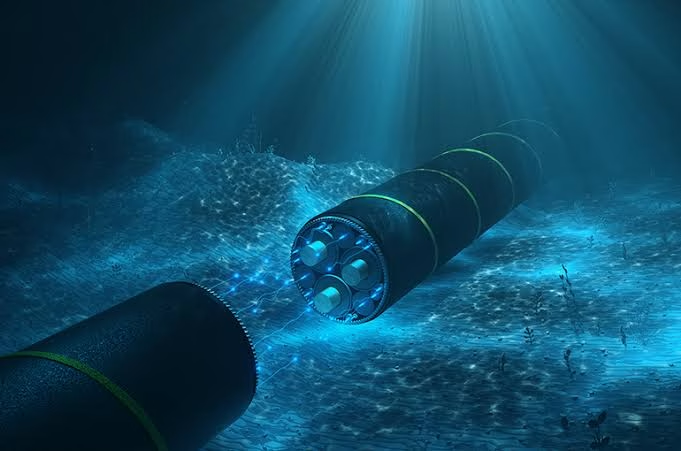
Daraja Fibre Optic Cable is advancing Kenya’s digital infrastructure with a 4,108-kilometre subsea connection to Oman. The project links Mombasa with Salalah and targets commercial service in 2026. Meta and Safaricom are backing the system, which will deploy 24 fibre pairs.
The project will strengthen Kenya’s international bandwidth while improving network resilience between East Africa and the Middle East. It also comes as demand for cloud computing, 4G, 5G, and fixed broadband continues rising.
Recent developments show the project has moved beyond initial planning. Safaricom confirmed its role as the Kenyan landing partner, while Alcatel Submarine Networks will supply the cable system.
Daraja Fibre Optic Cable Connects Kenya to Oman
The cable will run between Salalah in Oman and Mombasa, Kenya. Its Kenyan landing infrastructure will sit at Nyali Beach in Mombasa.
The system will span approximately 4,108 kilometres across the Indian Ocean. It will also incorporate 24 fibre pairs, providing significantly higher capacity than many older subsea systems.
The project will create a direct high-capacity connection between Kenya and Oman. Consequently, it should improve international connectivity and provide additional routing diversity for Kenyan networks.
Safaricom will operate the cable segment within Kenyan territorial waters. The company will also operate associated infrastructure within Kenya.
Meta, through its subsidiary Edge Network Services Limited, is backing the infrastructure. Alcatel Submarine Networks will supply the subsea cable system.
Meanwhile, ERM completed the environmental and social impact assessment for the Kenyan segment in June 2025. A marine cable route survey by EGS preceded the environmental assessment.
The project received environmental clearance from Kenya’s National Environment Management Authority. That clearance allows the development to progress toward construction and deployment.
Kenya’s digital infrastructure expansion also extends beyond subsea cable construction. Guodong Group plans to establish its Africa Headquarters in Kenya through a proposed $300 million investment program.
The Guodong Africa Headquarters could support telecommunications towers, fibre networks, data centres, cloud infrastructure, and smart-city development. The proposal therefore adds another major layer to Kenya’s expanding digital infrastructure pipeline.
Meanwhile, the Daraja Fibre Optic Cable will provide the international connectivity required to support growing digital services, cloud platforms, and data-intensive businesses.
Daraja Fibre Optic Cable Strengthens Mombasa’s Digital Infrastructure
The cable will reinforce Mombasa’s role as a major international connectivity hub. The city already hosts several submarine cable systems serving Kenya and the wider region.
The new system will complement existing infrastructure while creating additional international capacity. This redundancy could reduce Kenya’s exposure to disruptions affecting individual submarine cable routes.
Kenya has experienced the consequences of subsea cable damage in recent years. Such disruptions have affected internet connectivity across multiple African markets.
Therefore, the Daraja system could provide an important alternative route toward the Middle East. It could also support continued growth in Kenya’s digital economy.
Safaricom expects the cable to underpin further growth in 4G, 5G, and fixed broadband services. The infrastructure could consequently support hundreds of thousands of additional users.
The project also strengthens Kenya’s position alongside other major cable developments. These include Africa-1, PEACE, DARE1, and Meta-backed 2Africa.
Mombasa’s expanding cable ecosystem could attract additional data-centre and digital infrastructure investment. Moreover, greater international capacity could support enterprises requiring reliable cloud and data services.
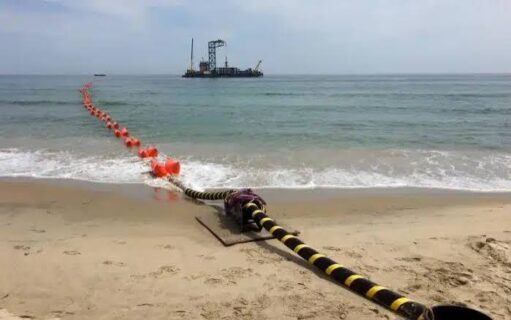
Daraja Fibre Optic Cable Moves towards 2026 Service
It remains scheduled for service in 2026. Current industry tracking continues to list 2026 as its ready-for-service year.
The project’s development also represents an important shift for Safaricom. The company has traditionally relied on capacity from established submarine cable systems.
Its involvement in Daraja gives Safaricom a more direct role in critical international connectivity infrastructure. That role supports its strategy of becoming a broader technology company.
For Meta, the project expands its investment in physical internet infrastructure. The company has already participated in major subsea systems serving Africa and other global markets.
The Daraja investment therefore reflects the growing role of technology companies in financing telecommunications infrastructure. It also demonstrates the increasing importance of resilient international connectivity.
As deployment progresses, the project could strengthen Kenya’s digital infrastructure and Mombasa’s position as an East African connectivity gateway.
Capacity
Additionally, Daraja system will deploy 24 fibre pairs compared with the usual 8 to 16 on existing cables. Therefore this will give it significantly higher capacity.
Safaricom obtained clearance last month from Nema to land the cable at Nyali beach. Also, the routes of the cable will stretch into Tanzanian waters as well.
Furthermore, the investment aligns with Meta’s broader strategy to construct a total of 50,000-kilometre global subsea cable network. This includes the 2Africa and Pearls system that already connects dozens of countries across Africa, Europe, and Asia.
Benefits of the Project to Kenya
Also, for Kenya, the Oman–Mombasa link is expected to enhance redundancy for a market that has experienced costly internet disruptions from breaks in the Red Sea and East African cable systems.
Furthermore, it will position Mombasa as a critical landing hub, joining ongoing projects such as Africa-1, PEACE, and the DARE1 extension.
Similar Projects
In a similar project, Nokia will also be participating in the development of Medusa submarine cable project in North Africa. As a technology and equipment provider, Nokia’s strategy is to supply the cutting-edge hardware and software that make these cables functional. Lastly, by “powering” the Medusa Submarine Cable System, Nokia is securing its position as a key vendor in the global telecommunications supply chain.
Project Fact Sheet
Name: Daraja Fibre Optic Cable
Type: Subsea telecommunications cable
Route: Mombasa, Kenya, to Salalah, Oman
Kenyan landing point: Nyali Beach, Mombasa
Length: Approximately 4,108 kilometres
Fibre capacity: 24 fibre pairs
Estimated project cost: $23 million
Kenyan currency estimate: Approximately Ksh2.98 billion
Expected service date: 2026
Primary purpose: Expand international bandwidth and improve connectivity resilience
Target services: 4G, 5G, fixed broadband, cloud computing, and digital services
Kenyan territorial operations: Safaricom
Cable supplier: Alcatel Submarine Networks
Environmental consultant: ERM
Marine route survey: EGS
Oman landing location: Salalah
Kenya landing location: Nyali Beach, Mombasa
Environmental approval: Kenya’s National Environment Management Authority
Current status: Development and deployment phase
Strategic importance: Strengthens Mombasa’s position as a regional subsea connectivity hub
Project Team
Investor: Meta, through Edge Network Services Limited
Partner: Safaricom PLC
Subsea cable supplier: Alcatel Submarine Networks
Environmental consultant: ERM
Marine cable route survey contractor: EGS
Environmental regulator: National Environment Management Authority
Kenyan project leadership: Safaricom management
International technology partner: Meta
Engineering consultants: ERM handled the Kenyan ESIA
Financing: Meta’s Edge Network Services provides the project funding
Expected operational date: 2026



Leave a Reply