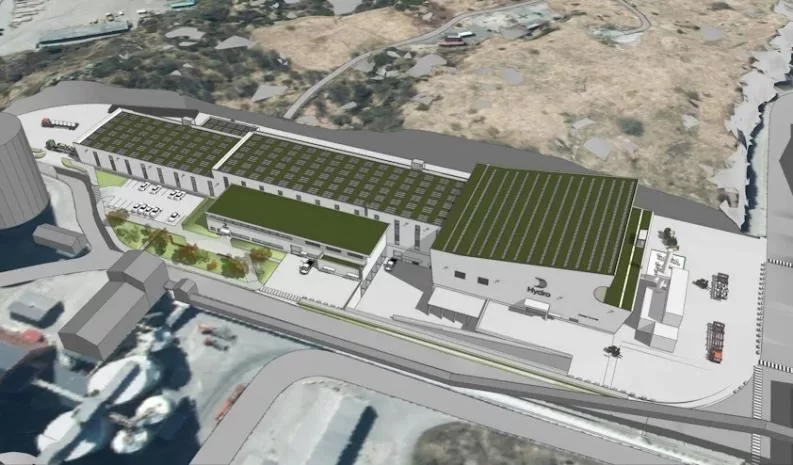
Norsk Hydro is advancing plans to build a new NOK 1.7 billion (approximately $160 million) aluminum wire rod casthouse facility located at its existing aluminum smelter plant in Karmøy, Norway. Designed to supply low-carbon aluminum wire rod for Europe’s expanding renewable energy and power transmission infrastructure, the facility represents Hydro’s largest investment in the region over the last decade. A final building decision is expected in the fourth quarter of 2025. Once commissioned in early 2028, the new casthouse is targeted to produce 110,000 tons of aluminum wire rod annually, strengthening Norway’s position as a critical raw materials supplier to the European Union — even as China moves in the same direction at scale, with Baotou deepening its rare earth dominance through a 500 million yuan aluminum alloy project that underscores the competitive pressure Western producers are racing to meet.
Project Overview
Type: Industrial facility (Aluminum wire rod casthouse)
Location: Karmøy, Norway (at the existing Norsk Hydro smelter plant)
Total Project Cost: NOK 1.65 – 1.7 billion (approx. $160 million USD)
Targeted Production Capacity: 110,000 tons of aluminum wire rod per year
Key End-Use: Supplying low-carbon aluminum wire for European power grids, transmission lines, and green energy infrastructure
Timeline: Final building decision pending in Q4 2025
Target Commercial Operation Date (COD): Q1 2028
Strategic Context: Positions Norway to capture a larger share of the EU’s critical raw materials market, supporting the green energy transition through lightweight, recyclable transmission materials.
Project Team
Developer & Owner: Norsk Hydro (Hydro)
Key Leadership: Eivind Kallevik (President and CEO, Hydro)
Contractor: Danieli
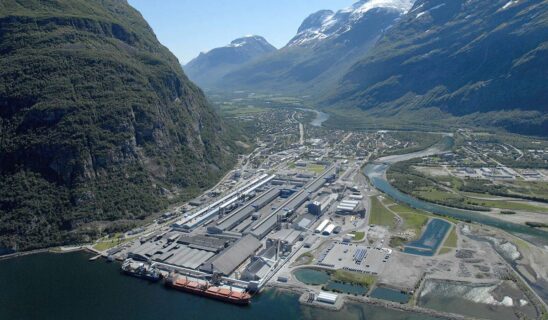
Published 21st March 2025: Norsk Hydro has invested NOK 1.7 billion in a new aluminium wire casthouse facility in Norway. The facility located in Hydro’s aluminium smelter plant in Karmøy will supply the wire rod for energy infrastructure in Europe. The NOK 1.7 billion aluminium wire casthouse facility in Norway will start production in 2028.
Currently, Hydro’s NOK 1.7 billion wire rod casthouse facility in Norway is awaiting the final building decision in late 2025.
Project factsheet
Location: Karmøy, Norway
Cost: NOK 1.65 billion
Developer: Norsk Hydro
Start of construction date: Pending building decision in Q4 2025
Construction completion date: 2028
Targeted Production capacity: 110,000 tons per year
Hydro’s aluminium casthouse facility in Norway
Once completed in Q1 2028, Hydro’s new aluminium wire rod casthouse facility in Norway will start the production of more than 100,000 tons of aluminium wire rod soon after.
Being the largest of Hydro’s investment over the last decade, the facility is expected to boost the 40% supply of Europe’s aluminium from Norway. Aluminum – a critical raw material to the European Union (EU), is setting the precedence for Norway’s industrial growth. “[…] This demonstrates that a productive aluminium industry has good growth opportunities in Norway.” said Eivind Kallevik in an official statement. Kallevik is the President and CEO of Hydro.
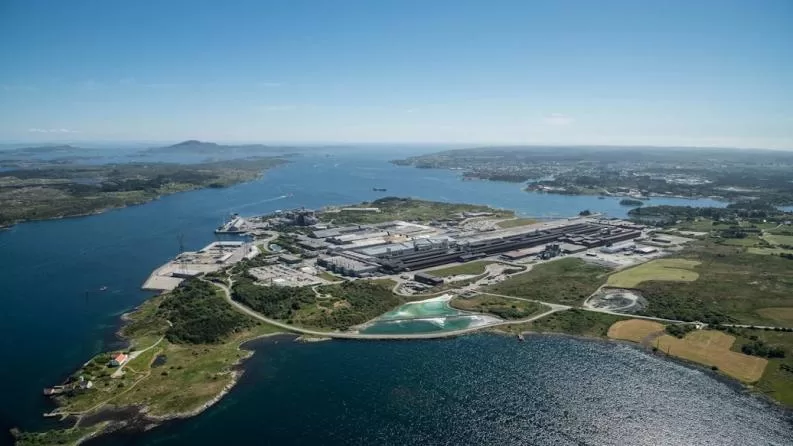
Hydro’s aluminium casthouse facility in Norway and the green energy transition
Hydro’s aluminium smelter plant in Karmøy currently produces more than 250,000 tons of aluminium, and more than 200,000 tons of casthouse products. This makes the aluminium and renewable energy company one of the largest producers in Europe; also placing Norway in a competitive spot in raw materials producers in the EU.
Other than bringing investments to businesses in Karmøy, Norway’s trade returns will also see growth following increased demand in the region. The supply has been tagged as one of “low-carbon solutions”, this will be for materials direly needed for the developing and expanding European critical infrastructure.
Green energy transition has been an area of contention in many countries, and global regions alike. Europe is not new to this, and a positive attitude has been picked up all together. Paramount focus has been put in renewable sources like solar and wind to supply the much needed power generated from these sites. And at the center of this will be the less talked about, the transmission. This needs aluminium, and Norsk Hydro is providing “low-carbon aluminium” according to Eivind Kallevik.
The investment could also follow the lines of what transmission material is more efficient to the producer and buyer in the long-run. The lighter, durable, low-carbon, recyclable aluminium may just be the needed material to make the investment in renewables even more worthwhile. The property comparisons were made to another popular material used in transmission lines, copper.
According to Norsk Hydo, its aluminium market also supplies automotive and construction industries.



Leave a Reply