Constructionreview

Blog

  • AESC $1.6 Billion Battery Plant in Florence on Hold Due to Economic Concerns

    AESC $1.6 Billion Battery Plant in Florence on Hold Due to Economic Concerns

    In a significant development for South Carolina’s electric vehicle (EV) industry, Japanese battery manufacturer AESC has announced a pause in the expansion of its Florence-based EV battery plant. The decision stems from prevailing market uncertainties, including potential changes to federal EV tax credits and tariff policies. Originally, AESC planned a $1.5 billion investment to construct a second facility adjacent to its initial plant, aiming to create over 1,000 additional jobs. However, the company has now halted these expansion plans, citing the need for a more stable policy environment.

    State Withdraws $111 Million in Bonds Following Project Delay

    In response to AESC’s decision, the South Carolina Fiscal Accountability Authority has rescinded $111 million in bonds that were allocated to support the expansion. These funds were intended for infrastructure improvements, site preparation, and the development of a training center. Governor Henry McMaster described the withdrawal as a responsible move, emphasizing the importance of prudent financial management in light of the project’s indefinite timeline. 

    Also Read California Flow Battery Energy Storage Project Developers Awarded $10M CEC Funding

    Initial Facility Remains on Track for 2026 Completion

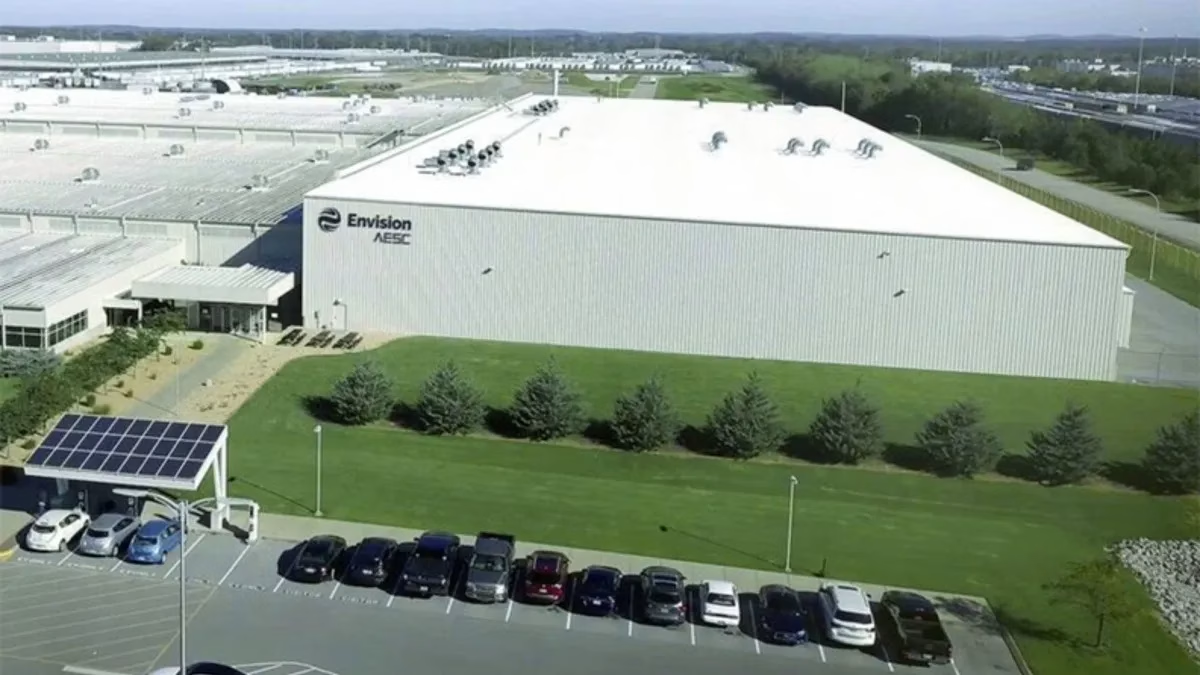
    Despite the pause in expansion, construction of AESC’s initial facility in Florence continues as planned. The $1.6 billion plant is expected to commence operations in 2026, employing approximately 1,620 workers. This facility will produce advanced lithium-ion battery cells for BMW’s Spartanburg assembly plant, contributing significantly to the region’s economic growth and the broader EV market. 

    Community Leaders Focus on Infrastructure Amid Expansion Delay

    Local officials view the expansion delay as an opportunity to address existing infrastructure and housing challenges in Florence County. Efforts are underway to improve transportation networks and develop residential areas to support future industrial growth. The community remains optimistic that, once market conditions stabilize, AESC will resume its expansion plans, further solidifying Florence’s role in the EV industry.

    Also Read $500 Million Louisiana EV Battery Plant Construction Commences: The First of its Kind in the United States

    AESC Battery Plant, Florence Overview

    Project Name: AESC Florence Battery Gigafactory

    Location: Florence County, South Carolina, USA

    Company: AESC (Automotive Energy Supply Corporation), a global leader in EV battery technology

    Total Investment: $1.6 billion

    Facility Size: Approximately 1.5 million square feet

    Site Area: 870 acres within the Technology and Commerce Park

    Production Capacity: 30 GWh per year

    Primary Client: BMW Group’s Plant Spartanburg, supplying advanced battery cells for next-generation electric vehicles

    Job Creation: 1,620 new high-value jobs

    Construction Timeline:

    Groundbreaking: June 2023

    Original Completion Target: 2026

    Current Status: Construction paused as of June 2025 due to policy and market uncertainties

    Design and Construction:

    Design Initiation: Early 2023

    Estimated Completion: Originally set for 2025

    General Contractor: Clayco

    State Support and Incentives:

    Total Incentives Offered: Over $255 million

    Florence County Support: $135 million for project costs

    State Support: $120 million for off-site infrastructure, training facilities, and site preparation

    Incentives Adjustment: $111 million in bonds withdrawn following construction pause

    Sustainability Initiatives:

    Facility to be powered by 100% net-zero carbon energy

    Commitment to responsible sourcing of critical battery components (cobalt, lithium, nickel)

    Integration of renewable energy generation and battery recycling processes

    Also Read Octopus Australia begins construction on Fulham Solar Farm and Battery project
  • Tanzania Launches the Construction of $100 Million Tanga International Energy Terminal for Liquefied Petroleum Gas Project

    Tanzania Launches the Construction of $100 Million Tanga International Energy Terminal for Liquefied Petroleum Gas Project

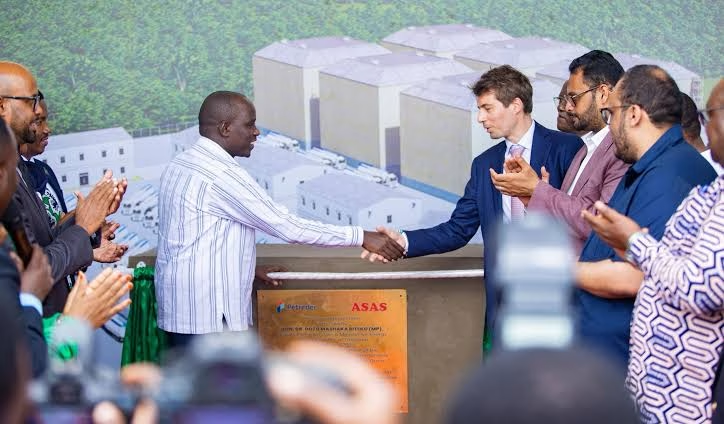
    The energy sector of Tanzania will soon have a major transformation with the launch of a $100 million investment that will enable the construction of the Tanga International Energy Terminal for Liquefied Petroleum Gas Project . The upcoming terminal will be a joint venture that will be undertaken by the local firm Asas Limited and UK-based Petredec. The terminal will be constructed in Chongoleani at Mkinga District.

    Once the LPG project will become fully operational, it will reduce the prices of LPG by up to 40%. Therefore, this will make clean energy even more affordable for the households in Tanzania. Additionally, Tanzania will expand its supply to the neighboring landlocked countries such as Zambia.

    Also read: East African Crude Oil Pipeline Project 60% Complete

    Tanga International Energy Terminal for Liquefied Petroleum Gas Project Factsheet

    Location: Chongoleani at Mkinga District

    Current investment: $100 million

    Developers: Asas Limited and UK-based Petredec

    Significance: Once the LPG project will become fully operational, it will reduce the prices of LPG by up to 40%

    Completion: December, 2027

    Phase I capacity: 40,000 cubic metres

    Additional facilities: eight truck loading gantries and a 2.8-kilometer underwater pipeline that will enable an efficient distribution of water.

    Land size: 26 hectares

    This Tanga International Energy Terminal for Liquefied Petroleum Gas Project was officially launched on Thursday. The founds stone-laying was ceremony was led by Tanzania’s Deputy Prime Minister and Minister for Energy Dr. Doctors Biteko. Furthermore, as for the detailed project location, it will be located on a 26-hectare site. The LPG terminal is expected to be completed by December 2027.

    Also read: Three New Natural Gas Wells Set for Drilling in Tanzania’s Mwanza Bay Gas Field

    Lastly, as for the first phase of the project, it will include a total of six mounded storage spheres. They will boast a capacity of 40,000 cubic metres and will also have a total of eight truck loading gantries. Furthermore, it will also have a 2.8-kilometer underwater pipeline that will enable an efficient distribution of water.

    Also read: Multimillion HoT Agreement Signed Between Tanzania and Egypt Greenlights the Development of a Liquified Natural Gas Project


  • Provence Grand Large the Mediterranean’s First Floating Offshore Wind Farm

    Provence Grand Large the Mediterranean’s First Floating Offshore Wind Farm

    France has officially announced the full commissioning of Provence Grand Large Offshore Wind Farm (PGL) — the first floating offshore wind farm in both France and the Mediterranean basin. Located 17 km off the coast of Port-Saint-Louis-du-Rhône in the Gulf of Fos (Bouches-du-Rhône), this pioneering project marks a major technological and environmental milestone.

    With a capacity of 25 MW, the wind farm will generate clean energy equivalent to the annual electricity needs of 45,000 people, helping accelerate France’s transition to renewable energy sources.

    Also read: Ørsted Discontinues Hornsea 4 Offshore Wind Project — What Does It Mean?

    A Technological First: Floating Wind Innovation

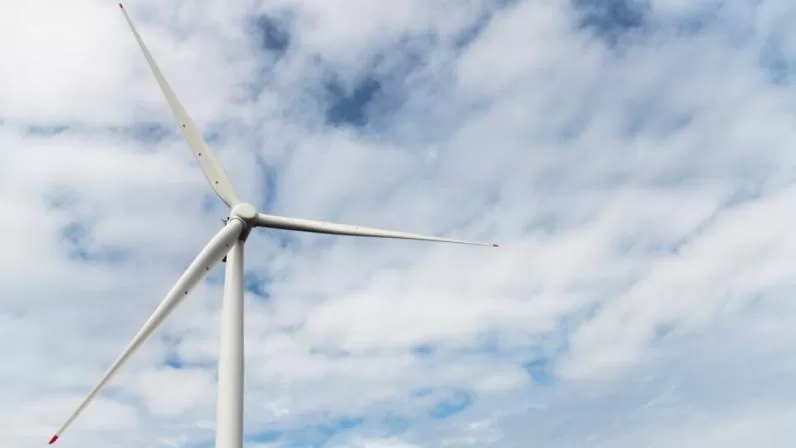
    Provence Grand Large Offshore Wind Farm is a pilot project that introduces cutting-edge floating wind technology to the region. It consists of three Siemens Gamesa 8.4 MW wind turbines, each installed on tension leg floating platforms, a first-of-its-kind adaptation of deep-sea oil platform stabilization technology for wind power.

    The innovative platform design was developed by SBM Offshore and IFP Energies Nouvelles (IFPEN). These floating foundations are tethered to the seabed with high-tension mooring lines, allowing them to operate efficiently in deep waters of around 100 meters.

    Grid Connection with Dynamic Cables

    Electricity generated from the turbines is transported via dynamic cables designed by Prysmian, capable of flexibly adapting to the motion of the floating platforms. These cables connect to subsea infrastructure, which then links to a land-based station operated by RTE, ensuring stable energy transmission to the grid.

    FACTSHEET: Provence Grand Large Floating Offshore Wind Farm

    Feature Details
    Project Name Provence Grand Large Offshore Wind Farm(PGL)
    Type Floating Offshore Wind Farm (Pilot Project)
    Location 17 km off Port-Saint-Louis-du-Rhône, Gulf of Fos, France
    Water Depth ~100 meters
    Commissioning Date End of 2023 (Fully operational in 2024)
    Capacity 25 MW
    Energy Supply Equivalent to 45,000 people’s annual electricity consumption
    Turbines 3 × Siemens Gamesa 8.4 MW turbines
    Platform Technology Tension-leg floating platforms (SBM Offshore + IFPEN)
    Mooring System Tethered to seabed using high-tension lines
    Cable System Dynamic cables by Prysmian
    Grid Connection Via subsea and terrestrial cables to RTE onshore station
    Client/Operator Parc Éolien Offshore de Provence Grand Large (PEOPGL)
  • GlobalFoundries Commits $16B to Boost U.S Semiconductor Manufacturing

    GlobalFoundries Commits $16B to Boost U.S Semiconductor Manufacturing

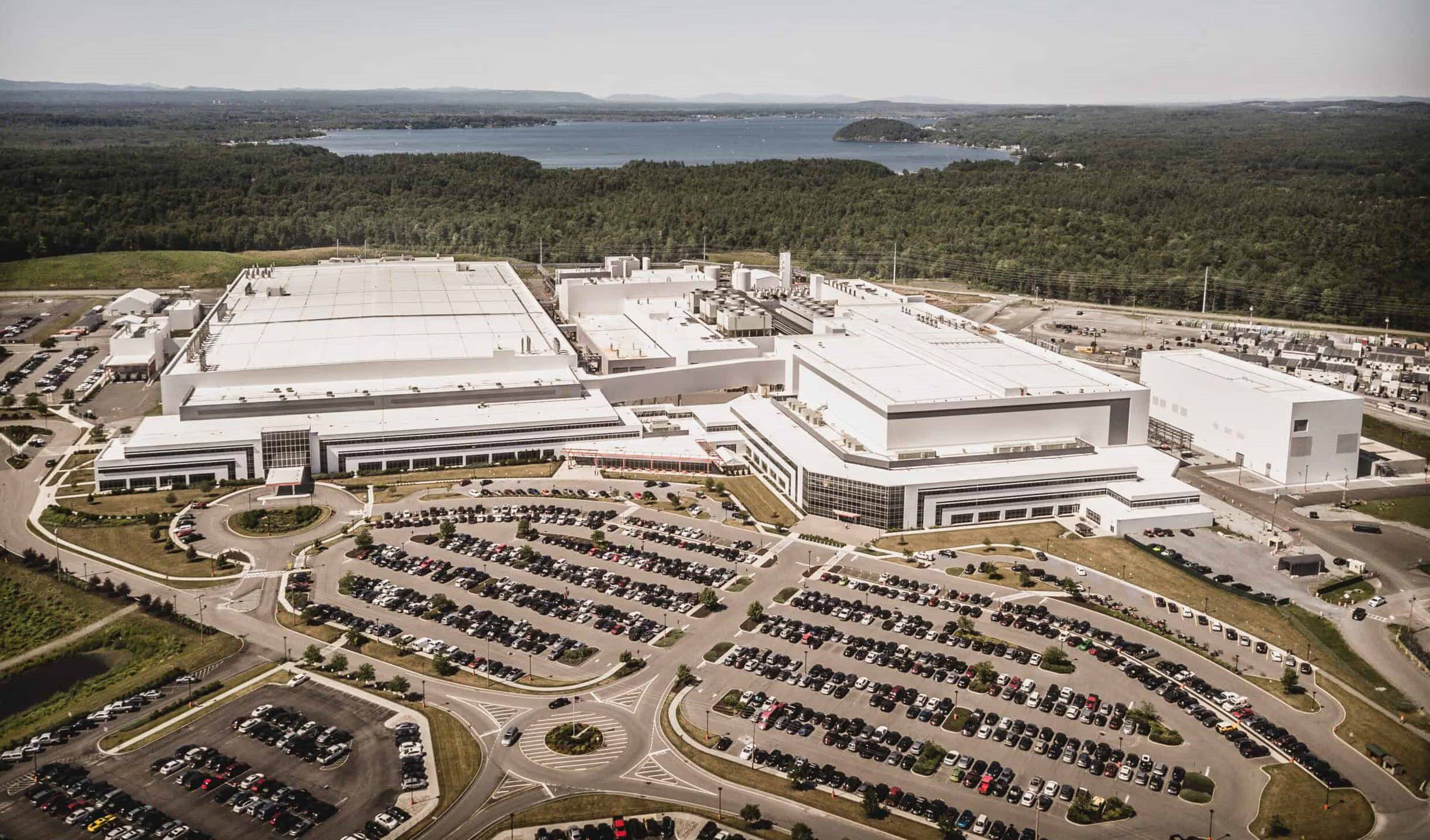
    GlobalFoundries, a leading U.S.-based semiconductor manufacturer, has revealed a landmark $16 billion semiconductor manufacturing investment to boost domestic chip production. This strategic move will significantly expand the company’s operations in New York and Vermont. Notably, this funding builds on GlobalFoundries’ previous commitment of more than $13 billion aimed at modernizing its U.S. facilities. The new round of investment highlights the company’s continued leadership in strengthening America’s semiconductor capabilities.

    Expansion of Advanced Packaging and Photonics Facilities

    In addition to the factory expansions, GlobalFoundries announced funding for the newly established New York Advanced Packaging and Photonics Centre. This facility is the first of its kind in the U.S. dedicated to silicon photonics packaging, a critical technology in enabling high-speed data transmission. Moreover, the company is allocating an additional $3 billion specifically for cutting-edge research and development. These R&D efforts will focus on innovative packaging solutions, silicon photonics, and next-generation gallium nitride (GaN) technologies.

    Also Read Designer for Silicon Box’s new €3.2 billion semiconductor facility in Italy unveiled

    Strong Industry Partnerships for a Resilient Supply Chain

    GlobalFoundries isn’t working alone. Through strategic collaborations with tech giants like Apple, SpaceX, AMD, Qualcomm Technologies, NXP, and General Motors, the company aims to accelerate semiconductor reshoring efforts. These partnerships are key to creating a more secure and diversified supply chain. As the demand for chips surges, driven by artificial intelligence (AI), cloud computing, and edge devices, GlobalFoundries is positioning itself as a cornerstone of U.S. innovation and supply chain resiliency.

    Supporting National Goals and Semiconductor Leadership

    This investment comes at a pivotal time. In early 2024, the U.S. government awarded GlobalFoundries $1.5 billion in federal funding to help scale up semiconductor production. According to CEO Tim Breen, the company is proud to play its part in bolstering national capabilities. “The AI revolution is fueling sustained demand for our technologies,” Breen said, citing the importance of domestic manufacturing. With this bold investment, GlobalFoundries is not only expanding its footprint but also reinforcing America’s global leadership in semiconductor manufacturing.

    Also Read CHIPS Act Awards Bosch $225M for Roseville Semiconductor Plant

    Project Overview: GlobalFoundries Semiconductor Expansion

    Total Investment: $16 billion committed to expanding U.S. semiconductor production capabilities.

    Facilities Involved:

    New York and Vermont campuses: Upgrades and expansions to existing chip manufacturing infrastructure.

    New York Advanced Packaging and Photonics Centre: First U.S.-based facility dedicated to silicon photonics packaging.

    Research and Development (R&D):

    $3 billion allocated to advanced R&D.

    Focus areas include:

    Packaging innovation

    Silicon photonics

    Next-generation GaN (gallium nitride) technologies

    Key Partners:

    Collaborations with major tech companies:

    Apple

    SpaceX

    AMD

    Qualcomm Technologies

    NXP Semiconductors

    General Motors

    Federal Support:

    $1.5 billion grant awarded by the U.S. government in February 2024 under domestic chip manufacturing incentives.

    Strategic Goals:

    Reshore semiconductor production to the U.S.

    Enhance supply chain resiliency

    Support AI, cloud computing, and edge-device technologies

    Economic and Technological Impact:

    Creation of high-tech jobs

    Acceleration of innovation in semiconductor and photonics sectors

    Strengthened U.S. leadership in global chip manufacturing

    Also Read US National Semiconductor Technology Center finds home in California with first-of-its-kind facility

  • Enbridge Celebrates Completion of Orange Grove Solar Project in Texas

    Enbridge Celebrates Completion of Orange Grove Solar Project in Texas

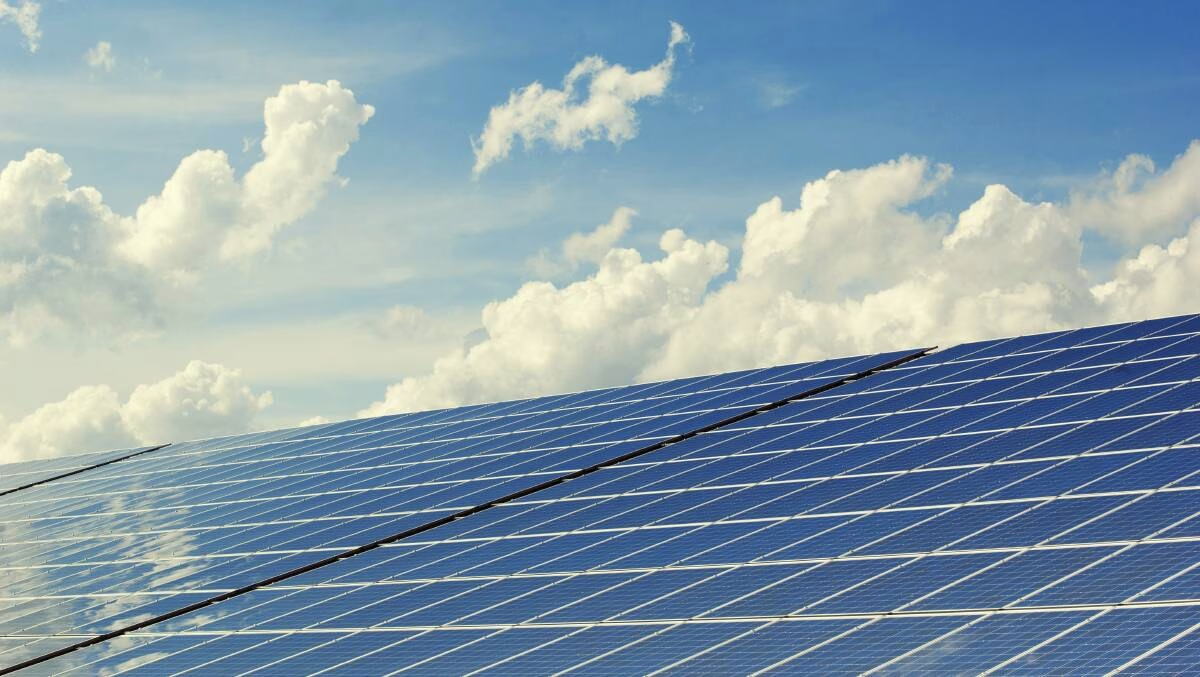
    The Orange Grove Solar project has officially gone live, marking a major milestone for Enbridge as it launches its first solar facility in Texas. Located in Jim Wells County, the 130-megawatt solar farm spans 920 acres and features 300,000 solar panels. This major clean energy initiative is backed by a long-term virtual power purchase agreement (VPPA) with AT&T, a strategic move that supports both energy sustainability and corporate climate goals.

    Clean Energy to Power Texas Growth

    Enbridge executives, along with local and federal officials, celebrated the project’s completion with a ribbon-cutting ceremony. According to Matthew Akman, Enbridge’s executive vice president of corporate strategy and president of the power business, this project is a key part of the company’s commitment to providing zero-emission electricity to support Texas’ economic growth and rising energy demand. Notably, the Orange Grove Solar project strengthens Enbridge’s energy infrastructure footprint, which already includes pipelines, export facilities, and wind operations across the Gulf Coast.

    Also Read Hardin III Solar Energy Center, a 250-MW Plant in Ohio, Goes Live

    Sequoia Solar Set to Follow with Bigger Impact

    While Orange Grove is a significant achievement on its own, Enbridge is not stopping there. Southeast of Abilene in Callahan County, the company is currently building the Sequoia Solar project, a massive 815-megawatt facility, more than six times the size of Orange Grove. Once completed, Sequoia will rank among the largest solar installations in North America. These investments are aligned with the growing electricity demands within the ERCOT (Electric Reliability Council of Texas) market and demonstrate Enbridge’s long-term renewable energy strategy.

    A Community-Powered Success

    Enbridge officials were quick to acknowledge the collaborative spirit behind Orange Grove’s success. Maja Nisbet, manager of power projects at Enbridge, emphasized the vital role played by local residents, landowners, and government partners. “While we’re proud to see the project energize the grid, this milestone is a testament to the community that helped bring it to life,” she said. Indeed, the Orange Grove Solar project represents not only a clean energy breakthrough but also a shared commitment to a sustainable, resilient energy future for Texas.

    Also Read $150M Powell Creek Solar Project Comes Online in Putnam County, Ohio

    Project Overview – Orange Grove Solar Project

    Developer/Owner: Enbridge Inc.

    Location: Jim Wells County, Texas.

    Capacity: 130 megawatts (MW) of solar energy generation.

    Land Area: Spans approximately 920 acres.

    Solar Array: Includes 300,000 solar panels.

    Power Off-taker: AT&T – has signed a long-term virtual power purchase agreement (VPPA) for the full output.

    Primary Contractor/Project Team: Enbridge Power Projects division led construction and coordination.

    Timeline:

    Construction Completed: 2024

    Ribbon Cutting Ceremony: Held in 2024 to mark project completion.

    Energy Market: Designed to support growing demand within the ERCOT (Electric Reliability Council of Texas) market.

    Future Projects: Enbridge is concurrently developing the 815-MW Sequoia Solar project in Callahan County, Texas – over six times larger.

    Sustainability Focus: Adds zero-emission electricity to Texas’ energy grid, aligning with Enbridge’s clean energy expansion goals.

    Community Involvement: Project involved collaboration with local landowners, residents, and government officials.

  • Amazon to Invest $10B to Expand Its Data Center Infrastructure in Richmond County, North Carolina

    Amazon to Invest $10B to Expand Its Data Center Infrastructure in Richmond County, North Carolina

    In a momentous decision that cements North Carolina’s status as a center of emerging technology, Amazon on June 5, 2025, announced its plans to invest up to $10 billion in expansion its data center infrastructure to support AI and cloud computing technologies in Richmond County. The announcement, made public by Amazon’s Chief Global Affairs and Legal Officer David Zapolsky, is evidence of the company’s growing focus on the area and is one of the largest single-state economic investments in history.

    “This investment will position North Carolina as a hub for cutting-edge technology,” said Zapolsky. “We look forward to partnering with state and local leaders, suppliers, and educational institutions to nurture the next generation of talent.”

    What the $10B Investment Means for Richmond County

    The expanded campus will span approximately 800 acres and eventually consist of 20 data center buildings ranging from 200,000 to 250,000 square feet. The buildings will house the computing infrastructure that will power Amazon Web Services (AWS) as well as generative AI technologies.

    More than 500 well-paying jobs will directly be created in Richmond County. The positions will include data center engineers, network and security specialists, and technical operations staff. Thousands of additional jobs will be created indirectly in construction, logistics, and the AWS supply chain.

    In addition to job creation, Richmond County will also benefit from a massive infrastructure upgrade—completely financed by Amazon. Water and wastewater systems will be modernized, and fiber-optic broadband will be expanded across the county. County Manager Bryan Land described the project as one that “will truly transform our community in ways that we cannot imagine.”

    Read also: Amazon Web Services (AWS) New $1B Data Center in Marysville

    Community Impact and Local Beneficiaries

    Amazon is also establishing the Amazon Richmond County Community Fund, a $150,000 grants program managed by nonprofit ChangeX. Grants of up to $10,000 will be available to support local causes in the realms of STEM education, sustainability, economic development, and public health.

    Local schools will benefit from new funding and partnerships for training schools in data center facilities and broadband infrastructure. Pre-apprenticeship programs and fiber optic fusion splicing workshops will put residents on a path to careers in the information economy for years to come. K-12 schools will receive access to Amazon-backed STEM curricula and technology materials.

    Read also: Crusoe Secures Additional $11.6B to Expand AI Data Center Campus in Abilene, Texas

    A Broader Economic Footprint

    This $10 billion expansion is only the latest chapter in Amazon’s greater history with North Carolina. Since 2010, the company has invested over $12 billion in the state and contributed $13.1 billion to its gross domestic product. It now covers over 24,000 full- and part-time jobs in North Carolina and indirectly over 26,000 jobs.

    While it is Amazon’s first major infrastructure project in Richmond County, the presence of the company will have immediate and lasting impact. The economic trickle-down from job training to increased tax revenues promises to reinvigorate an area long left behind.

    As Governor Josh Stein noted, “Artificial intelligence is changing the way we work and innovate, and I am pleased that North Carolina will continue to be at the forefront. Amazon’s investment is the largest in state history and will generate hundreds of good-paying jobs and an economic stimulus to Richmond County.”

    In this new development, Amazon is not only digging deeper roots in North Carolina but also building the future of cloud computing and AI innovation nationwide.

    Additionally, since 2011, Amazon has committed more than $156 billion toward building data center facilities across the United States. This substantial infrastructure investment has created employment for over 37,000 people each year while contributing upwards of $51 billion to the country’s gross domestic product. The economic benefits have been particularly pronounced in states like Virginia, Ohio, Oregon, and California, where these investments have delivered meaningful impacts to local communities.

    Read also: Google Plans $10 Billion Data Center Campus in West Memphis, Arkansas

    Expansion of Amazon’s Data Center Infrastructure in Richmond County: Project Factsheet

    Project Overview

    Location: Richmond County, North Carolina

    Investment: $10 billion

    Announcement Date: June 5, 2025

    Project Type: AI and cloud computing campus

    Key Statistics

    Campus Size: 800 acres

    Facilities: 20 data center buildings (200,000-250,000 sq ft each)

    Direct Jobs: 500+ high-skilled positions

    Indirect Jobs: Thousands in construction, logistics, and supply chain

    Infrastructure Development

    Water & Wastewater: Complete system modernization (Amazon-funded)

    Broadband: Expanded fiber-optic network countywide

    Facilities Purpose: AWS and generative AI computing infrastructure

    Amazon’s Richmond County AI and cloud computing campus Expansion: Economic Impact

    State Investment Ranking: Among largest in North Carolina history

    Amazon’s NC History: $12B invested since 2010, $13.1B GDP contribution

    Current Employment: 24,000 direct jobs, 26,000+ indirect jobs statewide

    Community Benefits: Educational Partnerships

    Data center operations training programs

    Broadband infrastructure workshops

    Fiber optic fusion splicing certification

    Pre-apprenticeship programs

    K-12 STEM curricula and technology resources

    Timeline & Status

    Current Phase: Planning and development

    Expected Impact: Immediate and long-term economic transformation

    Focus: Positioning North Carolina as a national technology hub

    Read also: Massive $5B Investment to Drive Vantage Data Centers Expansion in Ohio and Beyond