Constructionreview

Blog

  • Mozambique and Zambia to Construct $1.5 Billion Beira-Ndola Pipeline

    Mozambique and Zambia to Construct $1.5 Billion Beira-Ndola Pipeline

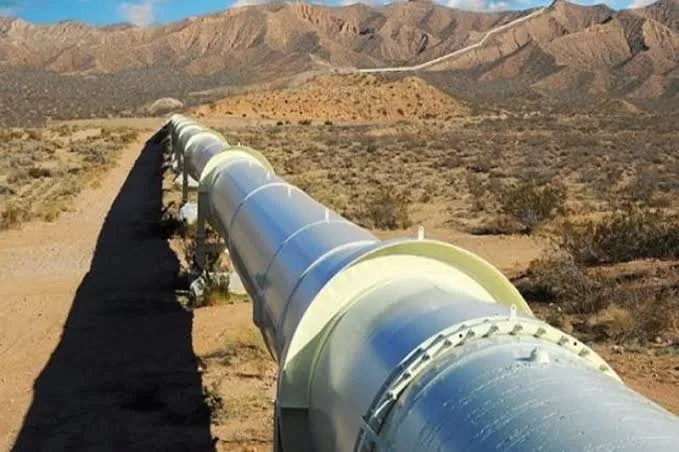
    Mozambique and Zambia are expected to sign a memorandum for the construction of Beira-Ndola Pipeline. The pipeline will be constructed at an investment of US$1.5 billion (€1.3 billion). This information was revealed by the Mozambican head of state.

    “The pipeline will facilitate the transportation of petroleum products to the Zambian market. This will eventually reduce the circulation of trucks on the roads.” Daniel Chapo mentioned at the event of the opening of the 11th Mozambique Mining and Energy Conference (MMEC).

    Also read: $5 Billion EACOP Funding to be Supported by Standard Bank

    Beira-Ndola Pipeline Project Factsheet

    Investment and capacity: This project is estimated to cost $1.5 billion and have a capacity to transport 3.5 million tonnes of petroleum products annually.

    Timeline: The pipeline is expected to be commissioned within four years.

    Objective: The new pipeline aims to supply the Zambian market with petroleum products and reduce the number of fuel trucks on Mozambican roads.

    Significance of the new Beira-Ndola Pipeline:

    • Reduced road traffic: The new pipeline will significantly decrease the reliance on road transportation of fuel from Beira to Zambia. Therefore, it will improve road safety and reduce wear and tear on infrastructure.
    • Energy security for Zambia: It will provide Zambia with an additional and potentially more direct route for importing petroleum products. This will enhance its energy security.
    • Economic nefits: The project will likely create employment opportunities in both Mozambique and Zambia and stimulate economic activity.

    Capacity of the Pipeline

    The upcoming pipeline will boast a capacity to transport 3.5 million metric tons per year. Additionally, the pipeline will link the port city of Beira, in central Mozambique, and Ndola, the largest city in Zambia, a country without direct access to the sea.

    The ambitious pipeline project also includes the construction of storage infrastructure in both cities. This was further revealed by the Mozambican head of state.

    Signing of the Project Agreement

    As for the agreement for the project, it was to be signed on the sidelines of the 11th Mozambique Mining and Energy Conference and Exhibition in Maputo. This is an event that brings together experts, government officials from countries in the region, and other industry stakeholders.

    “These milestones showcase not only the robustness of our reserves, but above all the environment of credibility, security and reform that we are consolidating in attracting the interest of the private sector to boost our economy,” President Chapo stated.
    Also read: Multi-Billion Tanzania-Zambia Crude Oil Pipeline: Expected to Transport 5 Million Tonnes of Oil Annually

  • The $4.5B Eli Lilly Medicine Foundry in Indiana’s LEAP District

    The $4.5B Eli Lilly Medicine Foundry in Indiana’s LEAP District

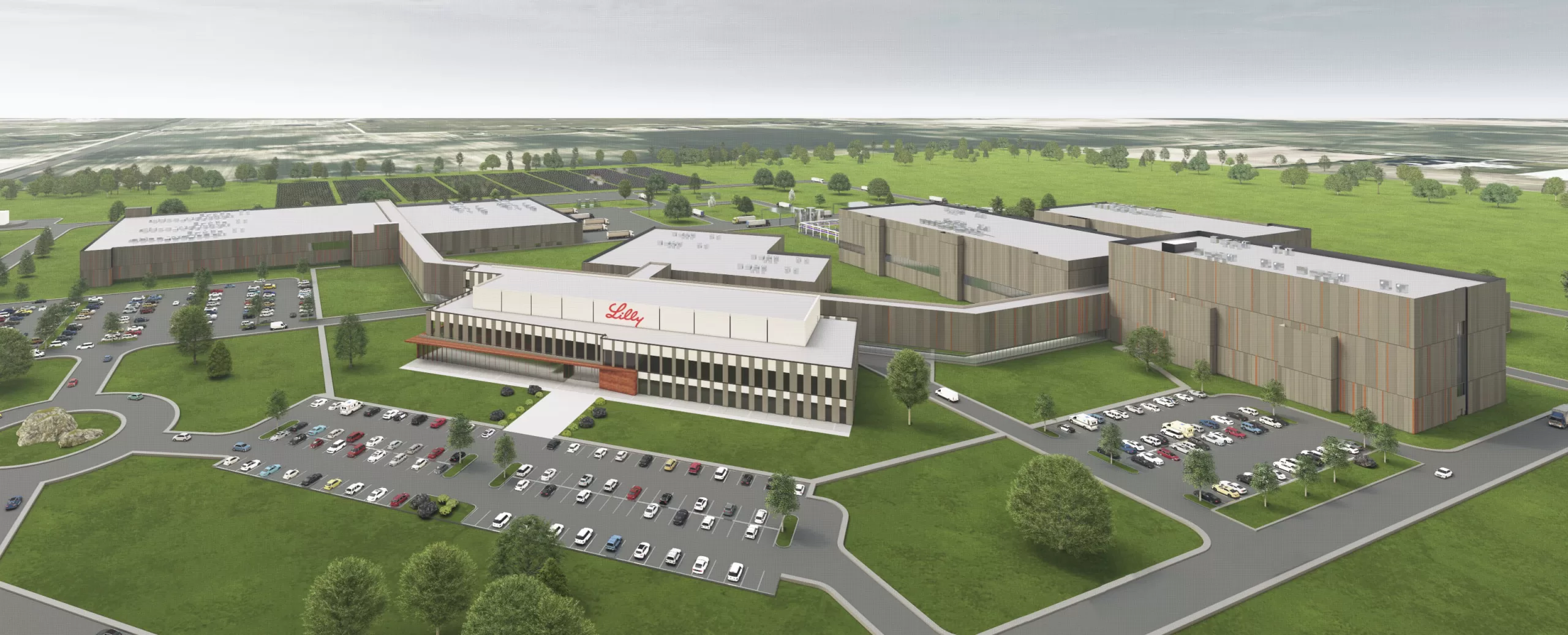
    Eli Lilly is developing a $4.5 billion “Medicine Foundry” in Lebanon, Indiana, within its LEAP (Limitless Exploration, Advanced Pace) Research & Innovation District. The 1.2 million-square-foot, seven-building complex will combine research, process development, and advanced manufacturing in one location. When fully operational (expected around 2027), it aims to employ around 400 highly skilled staff and generate over 2,000 construction jobs. The facility is being designed to handle a wide set of molecular therapies—small molecules, biologics, and genetic medicines—and speed up delivery of investigational drugs to clinical trials. The investment is part of Lilly’s broader commitment of more than $13 billion to the LEAP district, positioning it as a central hub in its U.S. pharmaceutical manufacturing and innovation strategy.

    Set within Boone County’s LEAP District—short for Limitless Exploration/Advanced Pace—the new facility will span 1.2 million square feet across seven buildings. It’s the most significant development announced for the innovation and research district, which aims to attract high-tech industries to Indiana.

    Lilly to spend $4.5B for Indiana R&D and manufacturing site

    Job Creation and Economic Impact

    The Lilly Medicine Foundry is expected to generate over 2,000 construction jobs during development and sustain approximately 400 high-skill positions once operational in 2027.

    Governor Mike Braun and Lilly CEO Dave Ricks joined company officials at the ceremony, highlighting the facility’s economic and strategic importance. Gov. Braun emphasized the national benefit of reducing reliance on overseas pharmaceutical production.

    “Not only is bringing pharma production back to the U.S. good for our country,” Braun said, “it’s good for patients and consumers as well, bringing new medicine to clinical trials two months faster than current industry benchmarks.”

    The Lilly Medicine Foundry is designed as a state-of-the-art hub that integrates research, process development, manufacturing, and advanced technology under one roof. The facility’s flexible layout will accommodate a range of molecular therapies—from traditional small molecules to biologics and next-generation treatments such as genetic medicines, contributing to the momentum seen in key healthcare construction projects across the United States.

    Company leaders also highlighted the facility’s role in improving the resiliency of the U.S. medication supply chain—an issue brought into sharp focus by recent global disruptions. The Foundry will support not only medicine production but also research into more sustainable, efficient manufacturing methods, aiming to expand global clinical trial access while reducing environmental impact.

    Read also: Pleasant Prairie Approves Eli Lilly’s Multibillion-Dollar Expansion Plan

    Lilly’s Commitment to Indiana

    So far, Lilly has invested around $13 billion in the LEAP District, making it the largest single investment in active pharmaceutical ingredient production ever made in the U.S.

    Despite the promising economic outlook, the LEAP District has faced criticism from some local residents and leaders. Concerns have been raised about the availability of water resources to support the district’s growth and a perceived lack of transparency from the Indiana Economic Development Corporation.

    Still, the launch of the Lilly Medicine Foundry marks a significant milestone—both for the state’s innovation ambitions and for America’s efforts to strengthen its pharmaceutical independence.

    Read also: Queen’s Health System Plans New Hospital in Kailua-Kona to Revolutionize Care

    Lilly Medicine Foundry in LEAP District: Project Factsheet

    Project Overview

    Investment: $4.5 billion pharmaceutical manufacturing facility

    Location: Lebanon, Indiana (LEAP Innovation District, Boone County)

    Facility Size: 1.2 million square feet across seven buildings

    Timeline: Groundbreaking completed; operational by 2027

    Total LEAP Investment: $13 billion (I.e. largest U.S. investment in active pharmaceutical ingredient production)

    Economic Impact

    Construction Phase: 2,000+ jobs

    Operational Phase: 400 high-skill permanent positions

    Strategic Benefit: Reshoring critical pharmaceutical manufacturing to the U.S.

    Lilly Medicine Foundry: Facility Capabilities

    Integrated research, process development, and manufacturing

    Flexible production for diverse therapies (small molecules, biologics, genetic medicines)

    Enhanced clinical trial efficiency (2 months faster than industry benchmarks)

    Focus on sustainable manufacturing methods

    Strategic Significance

    Strengthens U.S. medication supply chain resilience

    Reduces dependency on overseas pharmaceutical production

    Expands global clinical trial access

    Anchors Indiana’s LEAP District developmen

    Read also: El Camino Health Breaks Ground on New Rehab Hospital in Sunnyvale

    Read also: Construction Begins on $1B Merck Wilmington Biotech, Delaware

  • DESRI and Ranger Power secure financing for 290 MW Michigan solar projects

    DESRI and Ranger Power secure financing for 290 MW Michigan solar projects

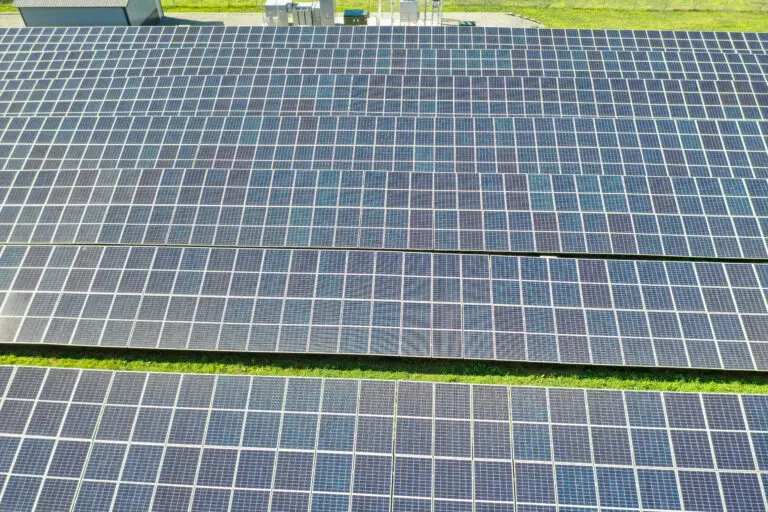
    Michigan is set to receive 290 MW of solar power from two separate projects following financial closure to DE Shaw Renewable Investments (DESRI) and Ranger Power. The renewable energy assets company announced yesterday its collaboration for the two projects. The first project, a 150 MW facility will be located in Hillsdale County and will be named Heartwood Solar. White Tail solar is the second project and will be 140 MW, located in Washtenaw County. Furthermore, the former project has secured Power Purchase Agreements (PPAs) with both the Michigan Public Power Agency and the Lansing Board of Water and Light. 

    Also Read Scatec Commences Construction of 1.1GW Obelisk Solar PV and BESS Project in Egypt

    DESRI & Ranger Power Michigan Solar Project operation dates

    The White Tail Solar project is expected to come online later this year while the Heartwood Solar plant will begin operations next year. The financiers for the project include Commerzbank, Bank of America, and Sumitomo Mitsui Trust Bank New York. Primoris Services Corporation’s renewable energy division has been appointed as the engineering, procurement and construction (EPC) contractor for the solar arrays. The Consulting Engineers Group (CEG) will undertake EPC responsibilities for high-voltage components. Fifth Third Bank and Zions Bancorporation acted as the leading arrangers for the deal.

    Project Overview

    Location: Hillsdale County, Washtenaw County, Michigan

    Total capacity: 290 MW

    Completion dates: 2025 (White Tail Solar), 2026 (Heartwood Facility)

    Engineering, procurement, construction: Primoris Services Corporation, Consulting Engineers Group (CEG)

    DESRI chief commercial officer Thomas de Swardt stated: “Heartwood and White Tail mark DESRI’s 11th and 12th projects in Michigan, where we have been building since 2019 through our partnership with Ranger Power.

    Also Read 800 MW Double Black Diamond Solar Officially Powered on, Illinois

    Benefits To The Community

    At the peak of its construction, Heartwood Solar Facility will employ 300 individuals from local communities. Additionally, the joint venture has committed to investing in local causes such as the Hillsdale Community Foundation. What’s more, they have agreed to secure US$732,950 for Augusta and York townships through Michigan’s Renewable Ready Communities Fund. Ranger Power co-founder and president Paul Harris stated: “These projects, which will provide in excess of $62m in property tax payments throughout their lives. Further, they will generate low-cost, reliable and domestic energy supporting farming and economic development throughout the region.

  • Ørsted Halts Hornsea 4 Offshore Wind Project – What Does This Mean?

    Ørsted Halts Hornsea 4 Offshore Wind Project – What Does This Mean?

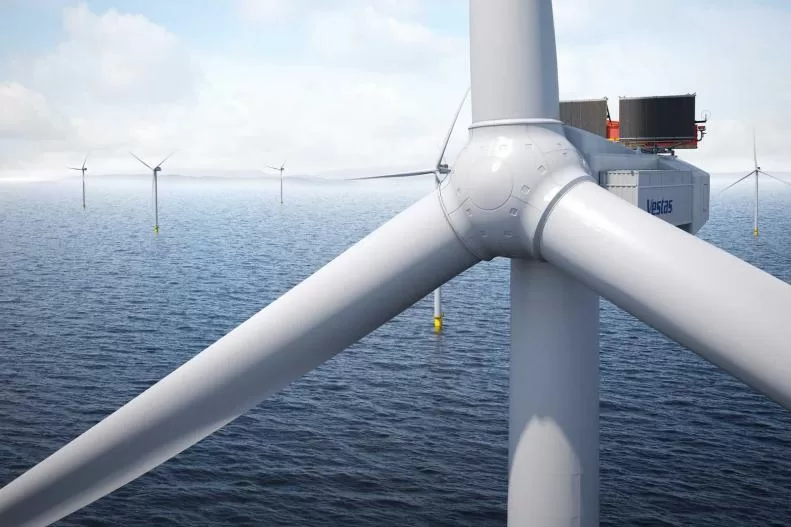
    The 2,400 MW Hornsea 4 offshore wind project in the UK was set to become one of the largest offshore wind farms in the world, promising significant opportunities for contractors, engineers, and suppliers across the construction and energy sectors. Unfortunately, Ørsted announced its discontinuation of the project in May this year.

    Since the project’s Contract for Difference (CfD) award during the UK government’s Allocation Round 6 (AR6) in September 2024, several challenges had emerged. Ørsted cited a combination of macroeconomic headwinds – including rising supply chain costs, higher interest rates, and greater execution risk – as primary reasons for the decision.

    What’s Behind the Decision?

    Ørsted, a key developer of the Hornsea Wind Farms in the North Sea, had been working intensively to de-risk the Hornsea 4 project. Despite its efforts, the economics no longer stacked up. The company was forced to terminate all related supply chain contracts and halt any further capital deployment into the project – a move that reflects a strict value-based investment strategy.

    Rasmus Errboe, Ørsted’s Group President and CEO, emphasized that the firm remains committed to the UK’s offshore wind ambitions, but the capital allocation must align with shareholder value. “The adverse macroeconomic developments, continued supply chain challenges, and increased execution, market and operational risks have eroded the value creation,” Errboe said.

    Financial Impact

    Ørsted expects to take a financial hit of DKK 3.5 to 4.5 billion in 2025 as a result of this decision. This includes:

    • EBITDA impact of DKK 3.0–3.5 billion (mainly due to asset write-downs and contract cancellation fees)

    • Write-down of capitalised construction costs between DKK 0.5–1.0 billion

    • However, its full-year EBITDA and investment guidance for 2025 remains unchanged

    For the construction sector, these figures illustrate the scale of financial exposure even during pre-construction phases – especially in megaprojects like Hornsea 4 offshore wind project.

    Implications for the Construction Industry

    The cancellation underscores an uncomfortable truth: even shovel-ready green infrastructure projects are not immune to global economic pressures. Contractors, suppliers, and engineering firms tied to offshore wind development are increasingly vulnerable to policy shifts, delayed timelines, and macroeconomic instability.

    For construction professionals, several key takeaways emerge:

    • Risk-sharing contracts may become more common in large-scale energy infrastructure as developers seek to distribute financial and operational risk

    • Supply chain volatility, especially for specialized materials and marine infrastructure components, needs to be factored more aggressively into project forecasts

    • Early-stage engagement in such projects may not always guarantee a construction phase

    What’s Next for Hornsea 4 Offshore Wind Project?

    While this chapter of Hornsea 4 has ended, the story is not over. Ørsted has confirmed it will retain:

    • The seabed rights

    • The grid connection agreement, and

    • The Development Consent Order (DCO)

    This means the site could be re-tendered or redeveloped in the future under a more favorable economic or policy environment.

    For UK energy planners, it’s a wake-up call. Meeting net-zero goals will require more than just ambition. Resilient, well-supported procurement and financing frameworks that can adapt to global inflationary cycles also prove essential.

  • Morocco Awards Early Works Tender on $1.6 Billion Casablanca Airport Expansion Project

    Morocco Awards Early Works Tender on $1.6 Billion Casablanca Airport Expansion Project

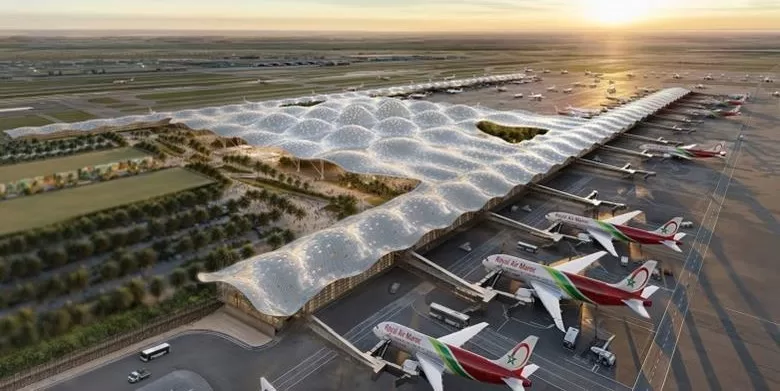
    Casablanca Airport expansion project takes shape following the award of an early works contract to STAM. This Moroccan construction firm, known as Société de Travaux Agricoles Marocaine, won the contract for site clearance and enabling works. STAM secured the contract following a MAD 294 million bid, which is about $29 million. The growth is part of Morocco’s efforts to co-host the 2030 FIFA World Cup with Portugal and Spain. The growth will raise the capacity and infrastructure at Mohammed V International Airport. Construction will take place in 2029, one year before the World Cup. The MAD 15 billion development will renew passenger facilities, streamline airport logistics, and develop flight handling. As the development takes hold, Morocco welcomes its readiness to take part in global activities and greater levels of tourism. Getting underway, this development positions Casablanca in position to become a flagship regional air center for North Africa.

    Also read:

    US$1.5 billion terminal construction launched at Mohammed V Airport, Casablanca

    Significance and Scope of the Casablanca Airport Expansion Project

    Casablanca Airport Expansion Project
    Casablanca Airport expansion project takes shape following the award of an early works contract to STAM.


    The Casablanca Airport expansion project is a key element in Morocco’s transport and economic development strategy. It will significantly enhance air traffic capacity at Mohammed V International Airport. With increasing tourism and business travel, the modernization meets national and regional demand. The new terminal and associated infrastructure will serve millions of additional passengers annually. This expansion also makes Casablanca an important international hub. In addition to expanding terminal capacity, the project includes improved runways, new access roads, and improved cargo facilities. Early works will prepare the site for major works, with later phases improving security, logistics, and passenger flow. The development is part of Morocco’s broader strategy to improve transport infrastructure in preparation for the 2030 World Cup. The development also creates jobs, stimulates local businesses, and makes Morocco more attractive to investors. Overall, the Casablanca Airport expansion project is a long-term investment in the country’s global integration and infrastructure resilience.

    Also read:

    Rabat-Sale Airport Modernization and Extension Project (PEMARS), Morocco

    Construction of aircraft maintenance centre at Blaise Diagne airport is close to completion

  • Kenya’s State-Owned KeNHA Receives Feasibility Study Report for Africa’s Largest Toll Project, the Usahihi Expressway

    Kenya’s State-Owned KeNHA Receives Feasibility Study Report for Africa’s Largest Toll Project, the Usahihi Expressway

    In a major development, United States-based firm Everstrong Capital has submitted a feasibility study for the Usahihi Expressway project. The 2,300-page document was submitted to the Kenya National Highways Authority (KeNHA) on Monday evening. The study covers various scopes of the project’s implementation. These include technical, financial, legal, social, and environmental aspects of the project. The study, according to Everstrong, is a shift from concept to implementation.

    The firm also described it as the most transparent and extensive infrastructure proposal in Kenya’s history. While meeting with KeNHA, Everstrong Senior Advisor Kyle McCarter guaranteed total compliance with Kenya’s Public-Private Partnership policy. Furthermore, he disclosed that the firm is sourcing Ksh466 billion ($3.6 billion) for the expressway. Construction will begin in early 2026. On completion, travel from Nairobi to Mombasa will be cut from 10.5 to 4.5 hours. The Usahihi Expressway will also boost trade, create jobs, and improve regional security and connectivity. It is a landmark for Kenya and Africa.

    Also read:

    Usahihi Expressway Construction to Commence Next Year, Africa’s Largest Toll Road Project

    Project Factsheet

    Developer: Usahihi Expressway Limited, backed by US-based Everstrong Capital.

    Route: The expressway will run alongside the existing Nairobi-Mombasa highway.

    Length: Approximately 440 kilometers.

    Lanes: It will be a dual carriageway, with the number of lanes varying (potentially four to six lanes in total).

    Estimated total cost: Approximately $3.5 – $3.6 billion (KES 452 – KES 468 billion).

    Funding:

    • Everstrong Capital aims to raise KES 129 billion ($1 billion) from domestic pension funds and financial institutions.
    • An additional KES 323 billion ($2.5 billion) is targeted from international investors.
    • The project is structured as a Public-Private Partnership (PPP) using a Build-Operate-Transfer (BOT) model over a 30-year concession period.

    Expected timeline:

    • Feasibility study is expected to be completed by May 2025.
    • Construction is expected to commence in early 2026.
    • Also, construction is projected to take approximately four years.

    Key features and benefits:

    • Reduced travel time: Expected to cut travel time between Nairobi and Mombasa from the current 10+ hours to approximately 4.5 hours.
    • Decongestion: Also intended to decongest the existing Nairobi-Mombasa highway.
    • Job creation: Expected to create employment opportunities during the construction and operation phases.
    • Toll revenue: Revenue will be generated through toll fees, primarily from heavy commercial vehicles
    • Sustainability features: Plans include rest stops, wildlife observation points, electric vehicle charging infrastructure powered by renewable energy. Will also include wildlife overpasses.

    The Scope of Implementation on the Usahihi Expressway Project

    Usahihi Expressway project
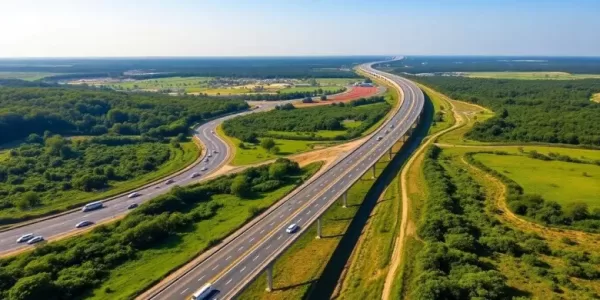
    In a major development, United States-based firm Everstrong Capital has submitted a feasibility study for the Usahihi Expressway project.

    Approximated at a value of $3.6 billion, the Usahihi Expressway will stretch for 459 kilometers, linking Nairobi to Mombasa. Everstrong termed it a green and equitable model of African infrastructure. Furthermore, it will be one of Africa’s longest toll highway, with wildlife corridors and renewable energy stops. The highway will also feature electric car charging stations. Drivers will pay Ksh12 or Ksh13 per kilometer to use the road, reports indicate. This is cheaper than the Nairobi Expressway at Ksh18 per kilometer. As McCarter put it, the Usahihi Expressway is not a road, it is a paradigm shift in the infrastructure model for the continent.

    The Significance of the Project

    The implementation of the Usahihi expressway project is expected to serve as a template for subsequent infrastructure development in Africa. McCarter described the Usahihi Expressway as a pioneering project designed to ease traffic congestion. Moreover, it is expected to unlock new avenues of trade and boost regional security. With shorter travel time of only 4.5 hours from Nairobi to Mombasa, the expressway is expected to enhance people and goods movement while increasing Kenya’s economic competitiveness. Thousands of jobs will be generated at the construction stage and operational phases of the project.

    Also read:

    Kenyan Government and US-Based Everstrong Capital Move Forward with $3.6B Usahihi Nairobi-Mombasa Expressway

    US-Based Everstrong Commences Raising Funds for Usahihi Expressway: Africa’s Largest Toll Road Project