Constructionreview

Blog

  • Tata Steel to Invest Billions in Port Talbot Overhaul

    Tata Steel to Invest Billions in Port Talbot Overhaul

    Tata Steel recently signed an agreement that will foresee the instalment of a new pickling line at its Port Talbot site in Wales. Tata’s latest move will offer 50% more capacity than the existing line. As revealed by the company’s April 9 announcement, the new equipment at the Port Talbot Overhaul project will boast an annual capacity of 1.8 million metric tons. Furthermore, it will employ up to 220 people during construction.

    Port Talbot Overhaul Factsheet

    Transition to green steelmaking: The central element of the overhaul is the replacement of the traditional coal-fired blast furnaces with a new, 3 million tonne per annum (Mtpa) capacity electric arc furnace (EAF).

    Cost: The project represents a significant investment of £1.25 billion, with the UK government contributing £500 million and Tata Steel covering the remainder. This is described as the most significant investment in the UK steel industry in decades.

    Timeline: Enabling works for the new EAF are expected to have started in the first quarter of 2025, with the main construction works commencing in the third quarter of 2025. The electric arc furnace is projected to be operational by late 2027 or early 2028. The project is anticipated to take around three years to complete.

    Infrastructure changes: The project involves the demolition of existing buildings and structures associated with the blast furnaces and the construction of the new EAF facility, including two new Ladle Metallurgy Furnaces for refining steel quality, and associated infrastructure.

    Government support: The UK government has established a Transition Board with £100 million in funding (£80 million from the government and £20 million from Tata Steel) to support affected workers, businesses in the supply chain, and the wider community through skills training, job-seeking initiatives, and local regeneration projects.

    Also read: Skanska to design and manage the £1.25bn low carbon steelmaking scheme by Tata Steel in South Wales

    Commissioning Date of the Line

    A source within the company revealed that Tata expects to commission the line in Q4 2027. They also revealed that the previous pickling line possessed an annual capacity of 1.2 million metric tons. Pickling lines use acid baths to descale hot-rolled coil and remove other impurities before the material undergoes cold rolling.

    Design and Supply of Mechanical Process Equipment

    French company Clecim has been tasked with designing and supplying the mechanical process equipment for the line. Also, a Swedish company will provide the electrification and automation technology, Tata said. “With the pre-engineering phase completed, both companies are now moving forward with detailed engineering,” the company added.

    The work is part of Tata Steel’s £1.2 billion ($1.56 billion) project to change Port Talbot to green steelmaking. This will be achieved by replacing its two blast furnaces and converter shop with two electric arc furnaces, or EAFs.

    Key Timeline to Note

    Tata is expected to commission the new furnaces by 2027. It also expects they will have a listed crude steel capacity of 3.5 million metric tons per year. This is more than 30% lower than the 5 million metric tons previously produced via the blast furnace/basic oxygen furnace route.

    However, in the year 2022, the plant produced less than half that volume, pouring just 2.2 million metric tons. Tata was also forced to shut down Port Talbot’s blast furnaces and close the converter shop in 2024. The company planned to bring in slab from other sites. This will serve to continue rolling operations while replacement work on the hot end was underway.

    There will be more than just replacing the blast furnaces and basic oxygen converter with EAF technology. It will entail other planned upgrades at Port Talbot like the installation of the new pickling line. There will also be upgrading the continuous slab caster, and lastly modernizing the hot strip mill.

    Also read: Barrow EnergyDock Plans Unveiled, UK’s Largest Floating Solar Project
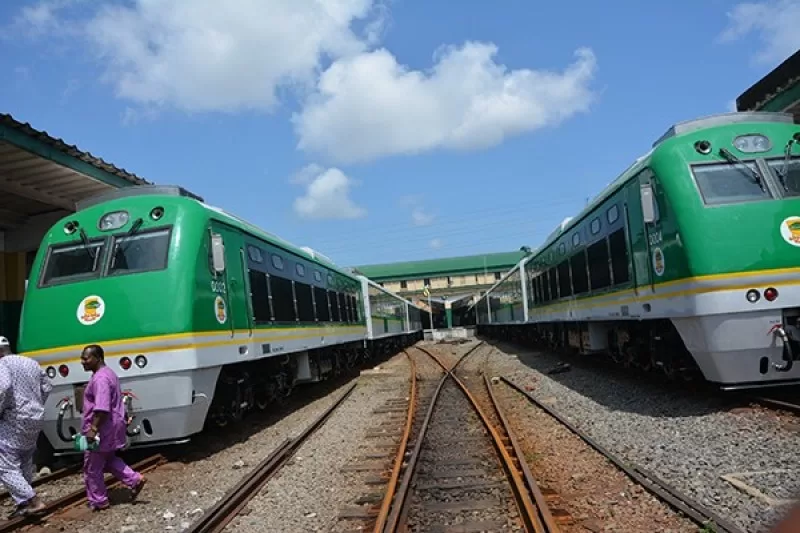
  • Nigeria’s Enugu State to Develop 135.5km Enugu Standard Gauge Railway Connecting South-East Cities to Onne Port

    Nigeria’s Enugu State to Develop 135.5km Enugu Standard Gauge Railway Connecting South-East Cities to Onne Port

    The Enugu Standard Gauge railway takes shape as the state reveals its plans to construct a 135.5-kilometer state railway line. The Enugu Standard Gauge Railway will connect major South-East cities to the Onne Port in Rivers State. Dr. Obi Ozor, Commissioner of Transportation, revealed this in a live interview on Afia TV. He stated that a thorough feasibility study for the railway corridor has been completed.

    The government is negotiating with the Nigerian Railway Corporation and Chinese entities. The partnerships will ensure the delivery of quality and the investment for the project guaranteed. The rail corridor supports Enugu’s aspiration to become a regional logistics hub. The corridor will link Enugu to Ugwuoba, Awka, and Onitsha. The corridor goes further via Ebonyi, Umuahia, and Owerri to Onne Port. Dr. Ozor added that the railway line would carry both passengers and cargo. It will also help in the export of farm produce and mineral products like coal.

    Also read:

    Enugu State Greenlights Ambitious Road Rehabilitation and Expansion Program.

    Significance of the Enugu Standard Gauge Railway

    Enugu Standard Gauge Railway
    The Enugu Standard Gauge railway takes shape as the state reveals its plans to construct a 135.5-kilometer state railway line.

    The Enugu Standard Gauge Railway is a priority aspect of the state’s transportation master plan. It complements the Federal Government’s Aba-Enugu rail extension. The project will boost commerce across Anambra, Ebonyi, Abia, and Imo states. Transitioning from road to rail will also reduce congestion and ease pressure on the Lagos ports. Furthermore, it will enhances cargo movement from Delta State. A key addition is the inland container port planned in Enugu to handle agro-commodities. Moreover, there will be a new market station at the Holy Ghost Transport Terminal. The railway will not only connect cities but also catalyze regional integration. In the process, it will unlock economic potential across the South-East. With several stakeholders being engaged, the state is resolved to complete on schedule. Enugu Standard Gauge Railway is a flagship project connecting infrastructure to the long-term economic goal.

    Also read:

    Enugu State Government Announces Plans To Construct 81 New Roads.

    Bamenda- Enugu Road Project in Cameroon and Nigeria to be Completed this Year

  • Ethiopian Airlines Participates in Development of Ethiopia’s Airport Projects, Allocates $225 Million for the Development of Bishoftu Airport Project

    Ethiopian Airlines Participates in Development of Ethiopia’s Airport Projects, Allocates $225 Million for the Development of Bishoftu Airport Project

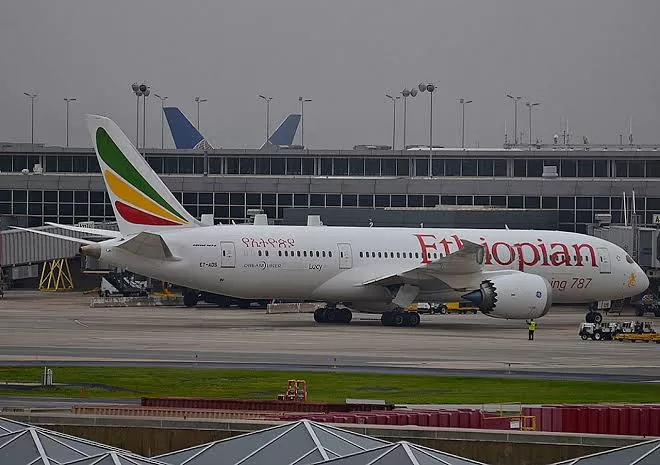
    Updated 3rd September 2025Ethiopian Airlines Group is actively participating in development of airport projects in Ethiopia. The airlines group is set to spend approximately $225 million on the preparing a massive 35 square kilometers plot near Bishoftu. This upcoming Bishoftu Airport is expected to be its new operations hub and international airport. This information was revealed by a report from Ethiopia’s Ministry of Finance.

    Another airport project that Ethiopian Airlines has been actively participating in its development is the Yabello Airport. The airlines group recently achieved a major milestone following the inauguration of the airport project. The Yabello Airport will improve regional air connectivity in southern Oromia. Additionally, it will boost the local and regional economy and support Ethiopia’s national development strategy.

    Furthermore the Yabello Airport Project is part of Ethiopian Airlines’ broader strategy to expand its domestic network. The airlines aims to grow its domestic network from 22 to 26 destinations. Also, the development of the airport is in line with the airline’s “Vision 2035” plan to become a dominant force in the global aviation industry, with a focus on Africa.

    Furthermore, the budget is allocated for land clearing. It will also be utilized for resettlement expenses, and preparing the site for construction of the airport. The airport will be located about an hour drive from the country’s capital.

    Bishoftu Airport Project Factsheet

    Project name: Bishoftu International Airport (also referred to as Abusera International Airport or Mega Airport City)

    Location: Near Bishoftu (approximately 40-45 kilometers southeast of Addis Ababa), Oromia Region, Ethiopia. The specific area is called Abusera.

    Proponent: Ethiopian Airlines Group

    Key partner/financier: African Development Bank (AfDB)

    Estimated cost: $7.8 billion USD

    Design completion: Expected by December 2025.

    Resettlement and site preparation: Expected to be completed by September 2025.

    First phase completion: Anticipated by 2029.

    Overall project completion: Within five years from the start of construction.

    Capacity:

    • Initial Phase (by 2029): 60 million passengers annually.
    • Ultimate Capacity: 100-110 million passengers annually.

    Aircraft Parking: capacity for 270 aircraft.

    Number of runways: Four.

    Key features:

    • A 1.1 million square meter terminal building with extensive passenger facilities.
    • Also, there will be over 126,190 square meters of airline support facilities.
    • More than 100,000 square meters of cargo and airport support facilities.
    • Branded hotels.
    • Cargo logistics centers.
    • Aviation maintenance facilities.
    • Potential for aircraft body manufacturing.
    • Aviation consultancy services.
    • Large duty-free shopping area and entertainment centers.
    • Business center.
    • Logistics hub.
    • Training centers.
    • Lastly, there will be integration of Ethiopian heritage elements in the architectural design, focusing on sustainability, resilience, and future-readiness.


    Also read: Ethiopian Airlines and AfDB Partner on $7.8B Africa’s Largest Bishoftu International Airport

    Cost of Households Compensation

    Also, according to previous statements from Group executives, up to 17 billion birr will be used for the compensation of the estimated 2,500 households that currently live on the land. Additionally, it has been categorized into eight lots.

    In the month of August 2024, Ethiopian Airlines CEO Mesfin Tassew and representatives of Dar Al-Handasah which is a specialized engineering firm signed an agreement for the design and consultancy works associated with the carrier’s monumental airport project. It is also important to note that Dar Al-Handasah Consultants is a partner of world-renowned Zaha Hadid Architects.

    Bishoftu Airport Project Cost

    The upcoming mega airport complex is expected to cost USD 7.8 billion. The African Development Bank (AfDB) is expected to act as a primary financier for the project. Furthermore, Finance Minister Ahmed Shide and Group executives submitted a letter of intent to AfDB last month.

    AfDB Contribution on the Project

    The amount that the bank will be committing to the project has not been revealed. However, its latest commitment is expected to grow its portfolio in Ethiopia, which stands at USD 1.2 billion across some key sectors.

    Also read: Africa’s Biggest Airport Set to be Constructed in Ethiopia

    Additionally, at the signing of a preliminary agreement in the month of March, AfDB chief Akinwumi Adesina referred to the Bishoftu airport city as the “flagship African project”.

    Ethiopian Airlines executives envision the new airport handling over 100 million passengers annually by 2040. This number is more than four times the 17 million passengers passing through Bole International Airport at present.

    Lastly, the government hopes it will be a boost to Ethiopia’s tourism industry and reaffirm its dominance in aviation in the African region.

    Also read: Addis Ababa Bole International Airport Expansion Project Updates, Ethiopia

  • Kazakhstan Unveils $3.6 Billion Plan to Transform Mangystau into a Transport and Tourism Powerhouse

    Kazakhstan Unveils $3.6 Billion Plan to Transform Mangystau into a Transport and Tourism Powerhouse

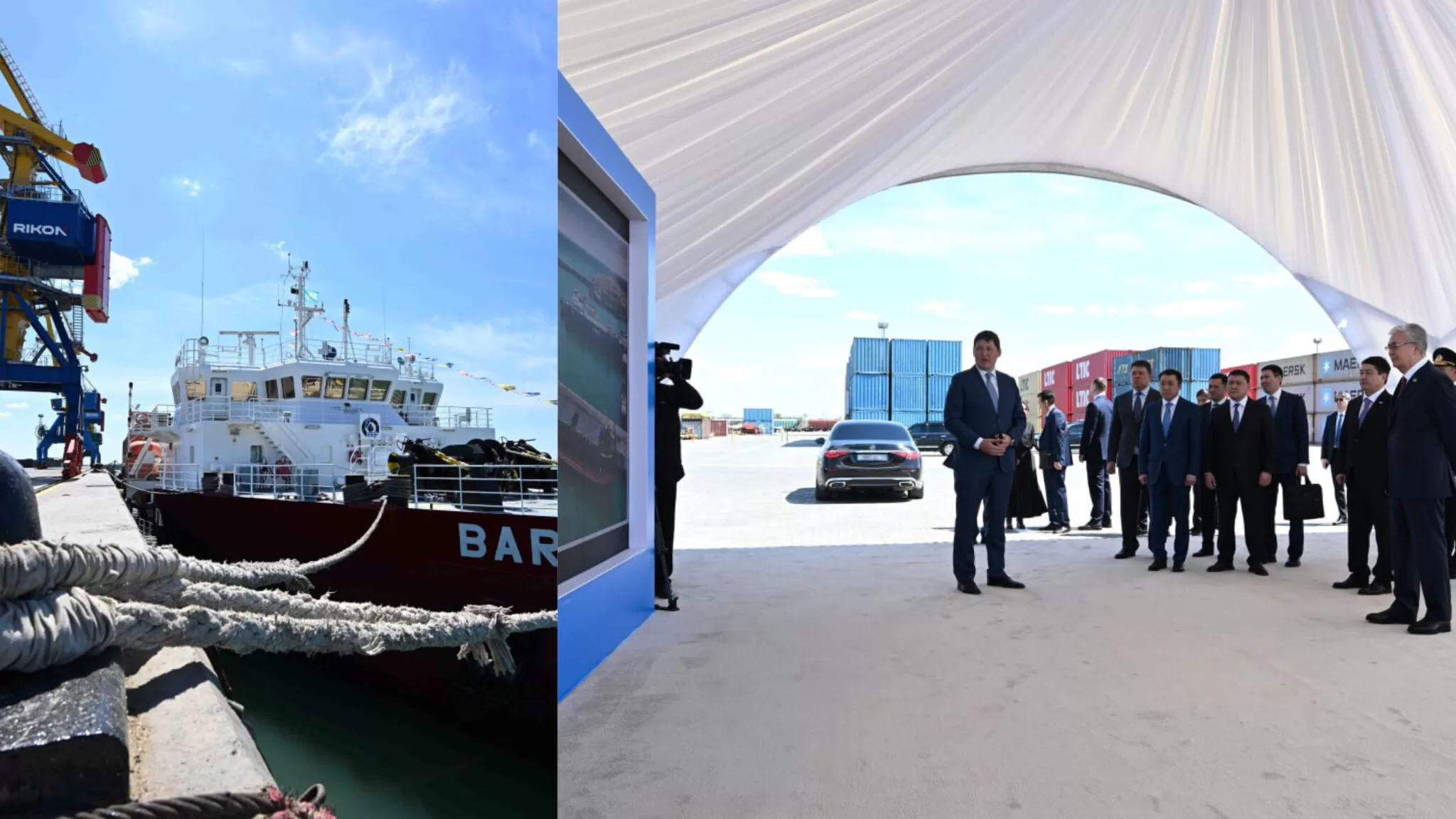
    Kazakhstan is rolling out a huge investment plan in the Mangystau Region, with 24 transport and tourism projects worth a massive 1.9 trillion tenge (about $3.6 billion) already underway. During his recent visit to the Aktau International Sea Port on April 18, President Kassym-Jomart Tokayev was updated on the progress by Minister of Transport Marat Karabayev. These efforts are part of the country’s broader push to position itself as a key logistics and transit hub between Europe and Asia.

    One major driver behind this push is the rapid growth of the Trans-Caspian International Trasnport Route. In just the past year, cargo traffic through the corridor jumped 62%, hitting 4.5 million tons. That includes 358 container trains and 27,000 vehicles. Officials expect this to more than double by 2028, so the government is stepping up its game, building a new container terminal in Aktau that will boost capacity from 140,000 to 240,000 containers. At the same time, a brand-new airport is under construction in the Kendirli resort zone, aimed at handling 150 passengers an hour and connecting to Almaty and Astana through regular flights.

    Also Read: O and M Contract for Kazakhstan’s Big Almaty Ring Road (BAKAD) project awarded

    Details on the Kazakhstan Tourism and Transport Plan

    Roads and railways are also getting major upgrades. Projects like the Center-West and Beineu-Saksaul highways will shave off up to 900 kilometers from long-haul routes, making trade faster and cheaper. Tokayev stressed the importance of speeding up construction, including improvements to 125 train stations and roads linking Kazakhstan to Turkmenistan.He also visited Aktau’s new wholesale distribution center, an 80,000-square-meter facility designed to store 40,000 tons of goods and help keep food prices in check.

    But it’s not just about freight and logistics. Tokayev is betting big on tourism too. He announced plans to expand the Aktau Seaport’s special economic zone from 3,700 to 26,500 hectares, opening the door to new businesses, especially in food and consumer goods. He also highlighted Aktau’s potential as a sea tourism hotspot, with easy access to nearby ports in Russia, Iran, and the Caucasus. To support that vision, Kazakhstan is planning a brand-new seaport and upgraded berths to welcome passenger cruise ships. “There’s a real opportunity here to tap into the tourism boom,” Tokayev said. “Now’s the time to act.”

    Also Read US $135m new water treating facilities to be constructed in Atyrau, Kazakhstan

  • Deutsche Bahn Seeks €150 Billion to Modernize Germany’s Aging Rail System

    Deutsche Bahn Seeks €150 Billion to Modernize Germany’s Aging Rail System

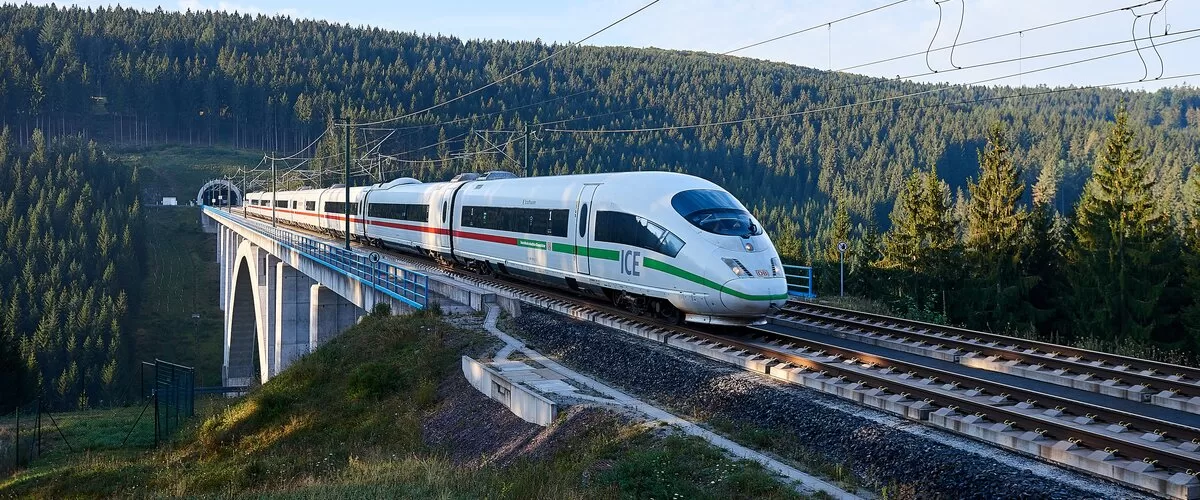
    Germany’s national railway operator, Deutsche Bahn (DB), is calling for an additional €150 billion  to revitalize and expand the country’s struggling rail infrastructure. CEO Richard Lutz revealed the staggering figure in an interview with T-Online, stressing that €80 billion would be allocated to the repair and refurbishment of the existing network. Much of the network is outdated and under strain from years of underinvestment. The remaining funds would go toward expanding the system, including building new routes, enlarging stations, and introducing advanced rail technologies. This comes as the company continues to grapple with financial pressure, reporting a net debt of €32.6 billion in 2024.

    Also Read: Progress at Germany’s Waterkant Wind Project with one of World’s Most Powerful Offshore Turbines

    Hurdles faced over the infrastructure investment

    Lutz’s remarks arrive at a critical time, just as Germany prepares for a new governing coalition composed of the conservative Christian Democratic Union (CDU), its Bavarian sister party the Christian Social Union (CSU), and the center-left Social Democratic Party (SPD). The coalition has signaled a significant pivot in infrastructure strategy, already approving a €500 billion national infrastructure fund. To make this possible, the German Bundestag passed reforms to the country’s strict borrowing rules, known as the “debt brake”. It enables the government to invest in long-term projects despite tight fiscal policies. Friedrich Merz, the CDU leader, is expected to be sworn in as chancellor on May 6, and his incoming cabinet is expected to prioritize rail reform as a top agenda item.

    Project Overview

    Location: Germany

    Project Cost: €150 billion

    Scope: repair and refurbishment of the existing network, expanding the system, building new routes, enlarging stations, introducing advanced rail technologies

    Germany’s rail system, once a global model of efficiency and engineering, is now frequently criticized for delays, overcrowding, and aging equipment. In 2024, Deutsche Bahn reported that only 62.5% of its high-speed ICE and IC trains arrived within six minutes of their scheduled time. This figure is wellbelow public expectations. The company paid out €197 million in compensation last year alone due to delays and cancellations. This issue was especially prominent during Germany’s hosting of the UEFA Euro 2024 tournament, when thousands of fans, many visiting from abroad, experienced travel chaos while trying to attend games across the country. These mounting complaints have sparked a growing public demand for a more reliable and modernized rail service.

    Also Read: Additional US$7 billion in funding sought for California High-speed Rail

    More on the German Deutsche Bahn

    What makes this transformation even more ambitious is the scale of the network involved. Germany has the largest railway network in Europe, spanning nearly 34,000 kilometers. But much of it is decades old and ill-equipped to handle today’s volume and speed requirements. As part of the broader modernization plan, Deutsche Bahn hopes to introduce digital control systems, improve station accessibility and reduce carbon emissions. Furthermore, they plan to ultimately shift more passenger and freight traffic away from roads and onto trains. Lutz emphasized that without immediate and significant investment, the system risks further deterioration. “The railways are the backbone of our climate-friendly transport future,” he said. “But without upgrading our infrastructure, we won’t be able to deliver on that promise.”

    Also Read: 500-MW Energiequelle Hydrogen Project to Boost Finland-Germany Energy Ties

  • Government plans major expansion of Kisumu International Airport

    Government plans major expansion of Kisumu International Airport

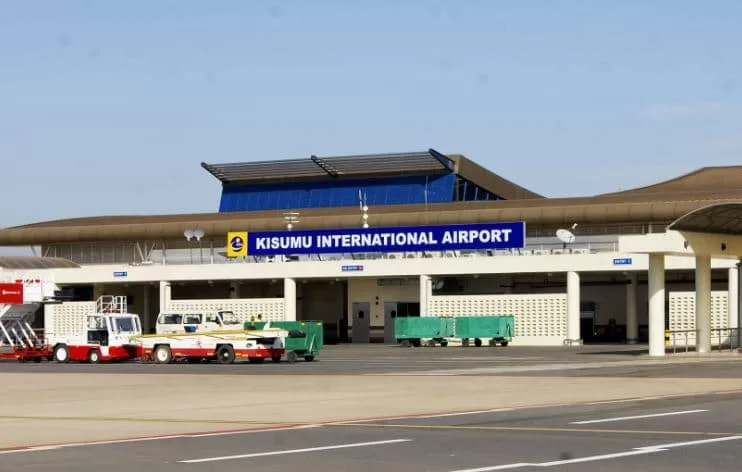
    The government has announced a major expansion of Kisumu International Airport to position the city as a regional hub for exports and trade. The project includes a runway extension and the construction of a modern cargo terminal to handle fresh produce from the Lake Region.

    Project factsheet

    • Project: Kisumu International Airport Expansion

    • Main features: Runway extension, new cargo terminal, cold storage facility

    • Objective: Improve export capacity for perishable goods

    • Supporting projects: Lake Victoria Ring Road, SGR extension, Koru–Soin Dam

    • Status: Planning and early implementation stages

    Deputy Chief of Staff Eliud Owalo said the new developments will allow direct export of fresh fish, vegetables, and other farm produce from Kisumu to international markets. Cold storage units at the terminal will help preserve goods and reduce spoilage, making the region more competitive globally.

    The Kenya Airports Authority (KAA) has also identified the expansion of Kisumu International Airport as part of its 2022–2026 strategic plan. The airport is currently handling about 500,000 passengers annually, and the upgrade aims to increase its capacity for both cargo and passenger traffic.

    READ ALSO: Kenya set to build new airport as government seeks to modernise aviation infrastructure

    Expansion of Kisumu International Airport supported by key infrastructure projects

    Owalo noted that the government is working on related infrastructure to support the airport. These include ongoing construction of fish landing sites with storage facilities along Lake Victoria. The sites will help fishermen prepare exports for direct shipment from Kisumu.

    He added that the government is fast-tracking road projects like the Muhoroni-Miwani–Mamboleo Road and seeking World Bank funding for the Lake Victoria Ring Road. These roads will improve movement of goods and connect counties in the region.

    The SGR extension from Naivasha to Kisumu is also a priority. It is expected to lower transport costs for cargo and improve access to the port of Mombasa.

    Additionally, the Koru–Soin Dam project is underway to provide water storage, flood control, and support irrigation in flood-prone areas.

    Owalo warned that contractors who delay projects will be blacklisted. He said the government wants results and will ensure all infrastructure projects stay on track.