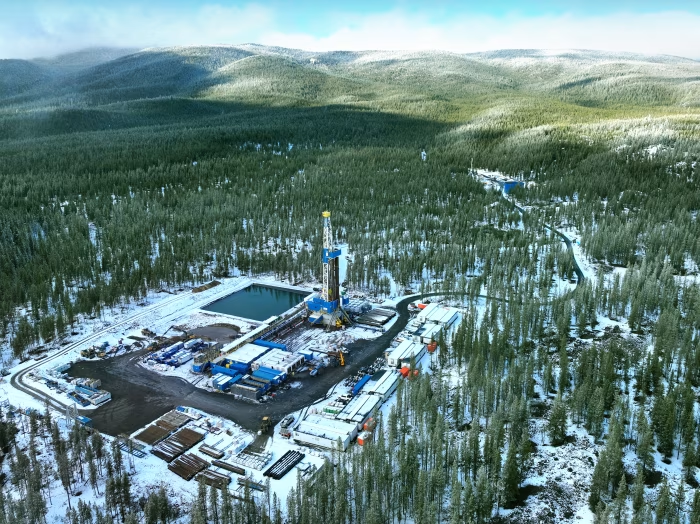
Project Obsidian is advancing the construction of a first-of-its-kind superhot geothermal power plant in Central Oregon, following Google’s commitment to purchase 50 megawatts (MW) of electricity. Developed by Quaise Energy near Newberry Volcano, the $350 million project will explore how advanced drilling technology can unlock extremely hot underground rock for continuous clean electricity generation.
The agreement, announced on November 17, 2026, marks a significant commercial step for geothermal energy development. Google expects to receive electricity from the facility as early as 2030, supporting its data centre operations in The Dalles, Oregon.
Notably, the development combines conventional drilling with millimetre-wave technology designed to penetrate exceptionally hard underground formations by vaporising rock. The Wall Street Journal reports that Google’s electricity purchase agreement exceeds $500 million, although the companies have not publicly disclosed its financial terms.
Project Obsidian advances superhot geothermal construction
The development will initially use conventional drilling to access underground temperatures exceeding 300°C (572°F). Quaise plans to establish geothermal wells approximately 2.5 miles underground before extending drilling operations towards deeper, hotter formations.
The project will eventually introduce millimetre-wave drilling technology to penetrate hard crystalline basement rock. This system uses a gyrotron, which generates concentrated electromagnetic energy to vaporise rock without mechanical contact.
Consequently, the technology could reduce dependence on conventional drill bits when penetrating extremely hard formations. It could also improve drilling economics by reducing equipment wear and operational interruptions.
Quaise developed the technology through more than a decade of research at the Massachusetts Institute of Technology (MIT). The company reports successful field penetration exceeding 100 metres through granite.
However, commercial-scale deployment remains an important engineering milestone. Project Obsidian will provide the first commercial deployment opportunity for the company’s millimetre-wave drilling system.
The development will follow a hybrid drilling approach. Conventional equipment will handle shallower formations, while millimetre waves will target deeper basement rock.
Project Obsidian targets 250MW geothermal expansion
The initial development targets 50MW of electricity generation. Quaise subsequently plans to expand the facility’s capacity to 250MW through additional geothermal infrastructure.
Its longer-term development strategy identifies potential expansion beyond one gigawatt. However, achieving this capacity will depend on drilling performance, reservoir conditions and further investment.
The facility will use an enhanced geothermal system (EGS). This approach involves circulating water through engineered underground reservoirs containing extremely hot rock.
The heated water will return to surface facilities for electricity generation. Thermal energy will drive power-generation equipment, providing continuous electricity without relying on weather conditions.
Quaise expects superhot geothermal wells to produce substantially more electricity than conventional geothermal installations. The company estimates that individual wells could deliver up to ten times more power.
Meanwhile, the US Bureau of Land Management completed an initial environmental review for the drilling operation. Its September 2025 decision record covered one geothermal well pad, access roads, a confirmation well and supporting storage facilities.
The approval represented an interim regulatory milestone. Subsequent geothermal drilling permits and additional regulatory authorisations remain necessary for the development.
Furthermore, Quaise secured up to $25 million in potential US Department of Energy support in September 2026. The proposed funding targets completion of the first well triplet, which could deliver more than 25MW of gross electrical power.
Project Obsidian also reflects the expanding investment in enhanced geothermal systems across the United States. In Utah, Fervo Energy and Baker Hughes are advancing the Cape Station geothermal power project, which targets up to 500MW of generation capacity through phased development. The project combines horizontal drilling, engineered geothermal reservoirs and advanced power-generation equipment. These developments highlight how different drilling and reservoir technologies are helping developers access deeper geothermal resources and deliver reliable, low-carbon electricity.
Project Obsidian gains Google commercial backing
Google’s agreement provides an initial commercial market for the planned electricity generation. The company will purchase 50MW from Quaise once the facility becomes operational.
The electricity will support Google’s three data centre campuses in The Dalles. The agreement also strengthens Google’s strategy of securing reliable, carbon-free electricity for its expanding computing infrastructure.
The partnership builds on Google’s previous geothermal investments. The company has increasingly explored advanced geothermal technologies alongside other clean energy sources.
Additionally, Quaise closed a $180 million Series B financing round in August 2026. Nabors Industries contributed $35 million and established a strategic framework covering drilling operations, technology integration and commercial development.
The financing brings Quaise’s cumulative funding to $280 million. It will support Project Obsidian and the commercialisation of millimetre-wave drilling technology.
The project is expected to create between 200 and 400 construction jobs. It could also generate more than 50 permanent engineering and operations positions.
Nevertheless, the development faces significant technical and commercial challenges. Its success will depend on achieving targeted underground temperatures and demonstrating reliable electricity generation.
If successful, Project Obsidian could establish a new construction model for geothermal infrastructure. It could also expand access to reliable renewable electricity beyond conventional geothermal locations.
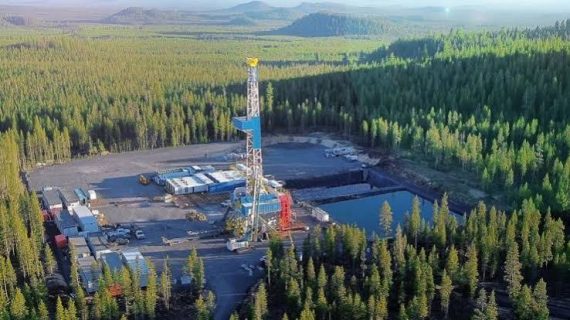
Project Fact Sheet
Name: Project Obsidian.
Type: Commercial superhot enhanced geothermal power plant.
Location: Central Oregon, near Newberry Volcano, Deschutes County, Oregon, United States.
Developer: Quaise Energy.
Estimated project construction cost: $350 million.
Commercial power agreement: More than $500 million, according to The Wall Street Journal.
Initial electricity purchase agreement: 50MW.
Initial development capacity: 50MW.
Planned expanded capacity: 250MW.
Long-term expansion potential: More than 1GW.
Target commercial operation: 2030.
Initial underground temperature target: Above 300°C.
Planned deeper reservoir temperatures: Up to approximately 365°C and beyond.
Drilling depth: Approximately three miles.
Drilling technology: Conventional rotary drilling and millimetre-wave drilling.
Specialist equipment: Gyrotron electromagnetic energy system.
Electricity purchaser: Google.
Electricity destination: Google’s data centre campuses in The Dalles, Oregon.
Environmental approval: BLM categorical exclusion and decision record issued September 2025.
Federal funding selection: Up to US$25 million from the US Department of Energy.
Construction employment: Approximately 200–400 jobs.
Permanent employment: More than 50 positions.
Financing: $180 million Series B completed in August 2026.
Project Team
Developer: Quaise Energy.
Commercial electricity purchaser: Google.
Strategic drilling and technology partner: Nabors Industries.
Research and technology origin: Massachusetts Institute of Technology.
Federal funding authority: US Department of Energy.
Research partners:
Environmental and geothermal leasing authority: US Bureau of Land Management.
Land management authority: US Forest Service.
Local project jurisdiction: Deschutes County, Oregon.



Leave a Reply