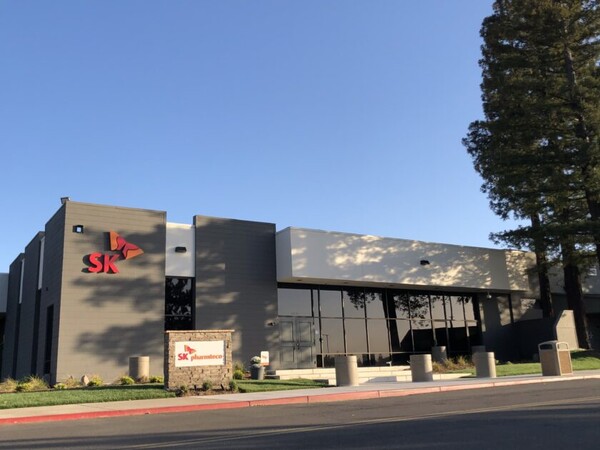
The SK Pharmteco Sejong plant in South Korea is finished, closing out a US$260 million investment that hands the SK Group contract manufacturer one of Asia’s more significant dedicated peptide production sites. SK Pharmteco, the California based contract development and manufacturing organisation owned by SK Inc., confirmed completion of the facility on 2 August 2026, roughly a year after construction began. Korean reporting puts the outlay at about 376 billion won. The building, known internally as the M5 plant, spans 12,634 square metres across five storeys within SK Biotek’s existing Sejong campus, and it cleared its use approval at the end of June 2026. Eight production trains sit at the core of the plant, together capable of turning out tens of metric tons of peptides and small molecule active pharmaceutical ingredients each year. Alongside the production halls, the works delivered peptide research and development suites, cGMP kilo labs and a cGMP pilot plant, giving the company the range to carry a molecule from early clinical batches through to commercial supply on a single site. SK Pharmteco also erected the shell of a sixth building under the same programme, a decision that lets it add capacity later without a fresh groundbreaking. SK Biotek, the Korean operating subsidiary, will run the plant. It becomes the group’s fifth production base in the country, more than 300 staff are being recruited, and full commercial operation is scheduled for 2027.
Sejong Lands in an Already Crowded Korean Pharmaceutical Construction Pipeline
Measured on capital value alone, the Sejong plant is a modest entry in Korea’s life sciences building boom. Samsung Biologics committed roughly 1.98 trillion won to Plant 5 at its Bio Campus II in Songdo, a 180,000 litre biologics facility that was targeted for cGMP readiness in September 2025 and forms the first piece of a campus the company intends to spend 7.5 trillion won on through 2032. What sets the SK project apart is density rather than volume. Chemical synthesis plants pack reactors, solvent handling, containment and utilities into a fraction of the footprint a biologics plant needs, which is why 12,634 square metres can absorb a quarter of a billion dollars. Korean contractors have shown they can turn these compact industrial packages around quickly. Hanwha Engineering and Construction delivered the 50 MW hydrogen fuel cell power plant at Seosan for US$212 million on a 20,000 square metre plot in close to a year, a schedule documented when Korea marked the completion of that plant. The commercial logic behind the spending is the obesity drug boom. Business Research Insights expects the global peptide CDMO market to climb from US$5.52 billion in 2026 to US$29.14 billion by 2035, while Fortune Business Insights projects the wider market for GLP class receptor agonists rising from US$73.4 billion in 2026 to US$254.2 billion in 2034. Samsung Biologics chose to buy rather than build, agreeing on 20 July 2026 to pay about 2.7 trillion won for Swiss peptide specialist PolyPeptide Group.
SK Pharmteco Sejong Plant Completion Date and the Road to Full Output
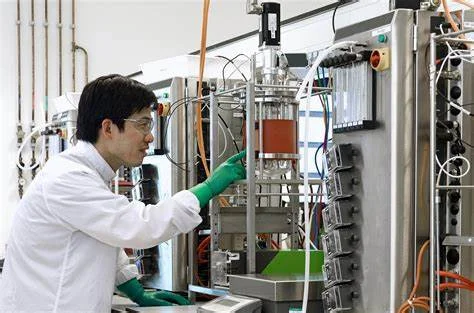
Completion is not the same as production. The M5 plant received its use approval in late June 2026 and was declared complete on 2 August, which puts it into commissioning, qualification and validation for the balance of the year before full scale operation begins in 2027. Seoul Economic Daily reports that the plant is expected to generate around 400 billion won in annual revenue once it is running at capacity. The Sejong campus already carries cGMP clearances from the Korean Ministry of Food and Drug Safety, the United States Food and Drug Administration and Japan’s Pharmaceuticals and Medical Devices Agency, according to SK Biotek, though new lines require their own inspections before regulated export supply can start. Two open questions sit over the asset. The first is order book competition, sharpened by Samsung Biologics moving into peptides through the PolyPeptide purchase. The second is timing on the sixth building, whose shell is standing but whose fit out has not been scheduled publicly. SK Pharmteco has said it intends to add peptide capacity at the California site operated by its AMPAC affiliate, using the production record built at Sejong as the reference.
Project Fact Sheet
- Project Name: SK Pharmteco Sejong plant, referred to by the operator as the M5 plant
- Location: Sejong City, South Korea, on the existing SK Biotek Sejong campus
- Project Value: US$260 million, reported locally as about 376 billion won, per SK Pharmteco’s 2024 investment announcement
- Client and Owner: SK Pharmteco, the CDMO arm of SK Inc., with SK Biotek as operator
- Main Contractor: Not publicly disclosed
- Key Components: Five storey multipurpose building of 12,634 square metres, eight production trains, peptide research and development suites, cGMP kilo labs, cGMP pilot plant, plus the shell of a sixth plant
- Capacity: Tens of metric tons of peptides and small molecule active pharmaceutical ingredients a year
- Procurement Model: Privately funded owner led investment by SK Pharmteco, announced September 2024
- Construction Start: 2025
- Completion: Use approval granted late June 2026, completion announced 2 August 2026, full operations expected in 2027
- Jobs Created: More than 300 new positions at the Sejong site
- Strategic Impact: Projected annual revenue of about 400 billion won at full output, and Korea’s answer to surging demand for obesity and diabetes drug ingredients
Project Team
- Client and Investor: SK Pharmteco
- Parent Group: SK Inc.
- Operator: SK Biotek, the Korean subsidiary of SK Pharmteco
- Main Contractor: Not publicly disclosed
- Design and Engineering Consultants: Not publicly disclosed
- Domestic Regulator: Ministry of Food and Drug Safety, Republic of Korea
- Export Market Regulators: United States Food and Drug Administration and Japan’s Pharmaceuticals and Medical Devices Agency, both of which have inspected the Sejong campus
Frequently Asked Questions
How much did the SK Pharmteco Sejong plant cost? SK Pharmteco invested US$260 million in the Sejong plant, a figure Korean outlets have reported as roughly 376 billion won. The investment was announced in September 2024 and also covered the shell of a future sixth building.
When will the SK Pharmteco Sejong plant start full operations? Full scale operation is scheduled for 2027. The plant received its use approval at the end of June 2026 and completion was announced on 2 August 2026, leaving commissioning and validation to run in between.
What will the SK Pharmteco Sejong plant produce? It will produce peptide and small molecule active pharmaceutical ingredients, with the focus on peptides used in obesity and diabetes treatments such as those in the GLP class. Output is measured in tens of metric tons a year across eight production trains.
Who is building and operating the SK Pharmteco Sejong plant? SK Pharmteco funded the plant and its Korean subsidiary SK Biotek will operate it. The main construction contractor has not been publicly disclosed.
How many jobs will the SK Pharmteco Sejong plant create? SK Pharmteco has said it will hire more than 300 new employees at the Sejong site to support the expansion.




Leave a Reply